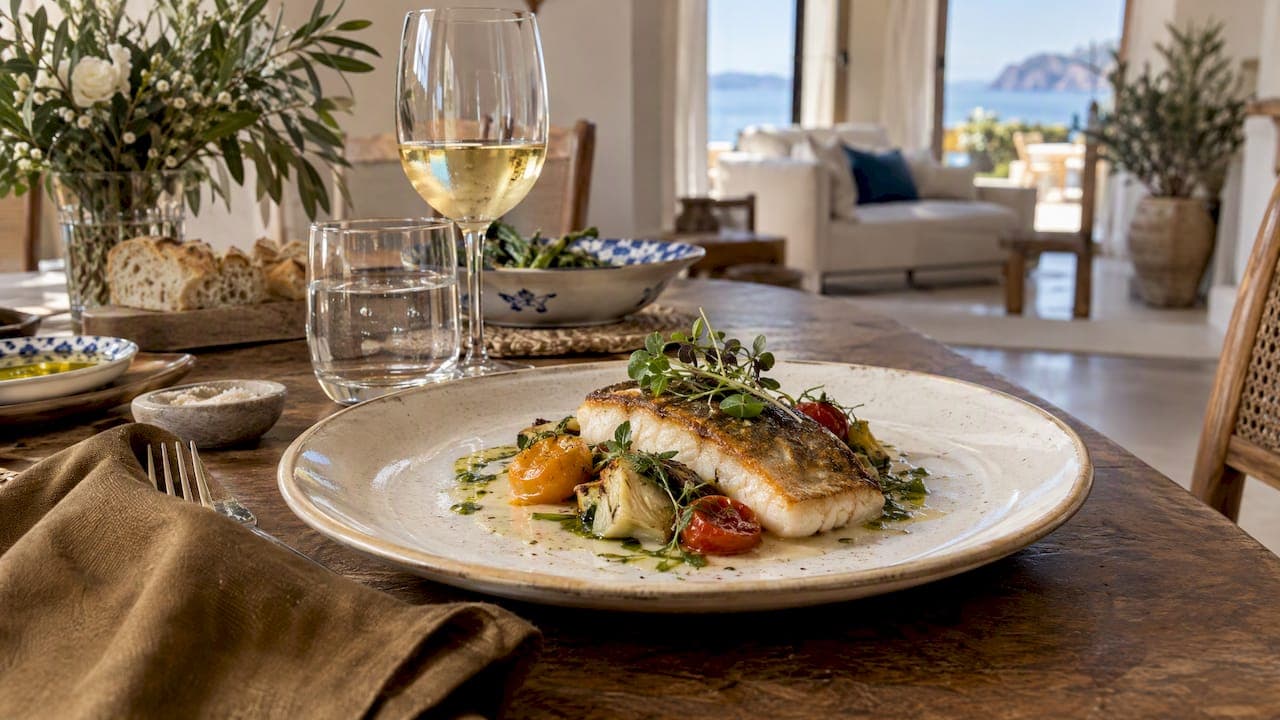
Before you book, ask a private chef about six things: logistics and contract, menu planning, dietary and allergen management, service style and staffing, pricing and cancellation, and trial and references. Asking them removes surprises and shows whether the chef fits your occasion. We at The Sensory Chef built this checklist, including how EU allergen information should be handled, so you can shortlist with confidence.
TL;DR:
- Ask chefs to identify and document allergens in each dish, explain cross contact controls, and provide written or digital details rather than relying on assurances.
- Ask whether the chef needs to inspect the kitchen, brings equipment, handles cleanup, and charges separately for travel or groceries.
- Request a written fee breakdown covering groceries, travel, equipment, staffing, VAT, deposits, final payment, and cancellation terms before paying anything.
- For large events or complex dietary needs, request a tasting to assess the chef’s cooking and professionalism; ask whether its cost can be credited.
Table of Contents
- 1. Which logistics and contract questions should you ask first?
- 2. What should you ask about menus and customisation?
- 3. How do you check that dietary needs and allergens are handled safely?
- 4. How will the service flow on the day?
- 5. Which money questions prevent surprises?
- 7. Why trust this checklist?
- 8. What matters more than the headline price?
- Ready to plan your private chef evening with The Sensory Chef?
- FAQ
- Sources
1. Which logistics and contract questions should you ask first?
A serious professional will answer practical questions without hesitation. Start here, because a chef who is vague about logistics is rarely precise in the kitchen.
- Who will be present on the day, and who is your contact if plans change?
- Are groceries, travel and equipment included in the fee, or charged separately?
- Do you bring staff, or do you need household staff to assist?
- What are your arrival time, service schedule and expected finish?
- What kitchen access do you need beforehand, and what do you expect on clean-down?
- Can you show proof of current liability insurance?
- Will you confirm everything in a written contract, including cancellation and rescheduling terms?
In a villa, the kitchen may be smaller or differently equipped than you expect. Ask the chef whether they will visit or request photos of the space in advance. If you want to see how the process works for a holiday stay, how a private chef service works for your holiday walks through it step by step.
2. What should you ask about menus and customisation?
A menu tells you about taste, but the questions around it tell you about flexibility. Ask for sample menus first, then probe how the chef adapts them to your table.
- How do your menus change with the season, and which local produce do you favour?
- Can you share tasting-menu examples with the course breakdown, portion sizes and plating style?
- What can you offer for children, and are vegetarian or vegan dishes designed from scratch or simply subtracted from the main menu?
- Can you adapt dishes for cultural or family preferences, such as a grandmother's favourite recipe?
- How do you source ingredients, and which markets or suppliers do you rely on?
A chef who cooks with the market in mind will talk happily about what is fresh that week, whether that is Andalusian tomatoes and olive oil or fish from the coast. You can see how we structure themed menus on our menus page. For a longer evening, a tasting menu at home shows how courses are paced when the chef cooks in your own kitchen.
3. How do you check that dietary needs and allergens are handled safely?
This is the area where you should be most exacting. Spanish guidance says allergen information for non-prepacked food may be given in several forms, in person, on a menu or in written records, but it must be accessible to the consumer and recorded in writing or electronically at the establishment. A generic disclaimer is not enough, so put these questions to any chef:
- How do you identify and document allergens in each dish, and do you keep technical specification sheets?
- In what format will I receive allergen information: a written menu, a digital sheet, or a verbal briefing with a written record?
- How do you handle traces and cross-contact during prep, cooking and plating?
- Have you and any staff been trained in allergen management, and do you follow a written protocol or an APPCC/HACCP approach? Regional protocols state that staff must be trained and that verbal information needs written backing.
- Can you walk me through how you would run a multi-course service for a guest with a serious allergy?
That last question is the most revealing. For a model of what a good answer looks like, read a chef's allergy protocol for private events, and see how to communicate dietary preferences to your chef before the day.
4. How will the service flow on the day?
Chefs serving identical menus can deliver very different evenings. The difference is usually service style and staffing, so ask plainly how the occasion will run.
- Do you work alone, or bring front-of-house staff? Are servers, bussers or plating assistants included?
- Will the meal be plated courses, family-style sharing, a buffet or an interactive format such as a paella demonstration or masterclass?
- How do you coordinate with household staff, and how do you protect the privacy of the villa?
- Can you give examples of similar events, such as villa dinners, anniversaries or paella services, with references or photos?
A solo chef suits an intimate romantic dinner. A larger family celebration may need extra help to keep courses moving while the chef stays at the stove. Be honest about your guest numbers and the pace you want, and a good chef will recommend the right model rather than the biggest one.
5. Which money questions prevent surprises?
Price conversations go smoothly when you ask for structure, not just a total. Use these questions to see the whole cost picture.
- Can I have a full fee breakdown separating the chef fee, groceries, travel, equipment hire, staffing and VAT?
- How large is the deposit, when is the final balance due, and which payment methods do you accept?
- Will I receive receipts or an invoice?
- What is your written cancellation and rescheduling policy?
- How are changes in guest numbers handled financially, and what is the cut-off date?
If a figure feels unclear, ask for it in writing before you pay anything. We explain our own approach in our private chef cancellation policies, and pricing for each experience is listed on the relevant booking page.
7. Why trust this checklist?
Joseph Warner is a French-trained private chef with more than 13 years of professional experience and the founder of The Sensory Chef. His specialisms include private villa dining, paella, tasting menus, celebrations and accommodating dietary requirements. He trained in the kind of professional kitchen discipline taught by institutions such as the Culinary Institute of America, and it shapes how we run every booking. You can read more about him on his chef profile or browse our services.

8. What matters more than the headline price?

Most people begin with price and a sample menu. I think that is the wrong order. A menu is easy to photograph; a process is not. What separates a calm, memorable evening from a stressful one is how the chef handles the unglamorous parts: who talks to your guests about allergies, what happens when a few more people arrive, who cleans the kitchen, and what is written down.
Prioritise the allergen and logistics questions first, because those are the ones that can genuinely go wrong. Treat menu style as a second filter, and price as the third. Be wary of any chef who answers a safety question with reassurance instead of a described procedure. And do not skip the trial: tasting the food and meeting the person who will be in your kitchen answers more than any list of questions can.
— Joseph Warner
Ready to plan your private chef evening with The Sensory Chef?
If you would like these questions answered in writing, we are glad to help. We offer private dining, a paella experience, tasting menus and menus adapted to dietary requirements and allergies. The simplest next step is to request a menu proposal, and we will confirm cancellation terms alongside it. Browse our menus or book a private dining experience and tell us about your occasion.
FAQ
What questions should you ask when interviewing a chef?
Ask about logistics, menu flexibility, allergen handling, staffing, pricing and cancellation, and whether a trial meal is possible. Situational questions, such as how the chef would cope with a late change in guest numbers, reveal more than general ones.
How do you become a private chef?
Most private chefs build a foundation in professional kitchens, then develop a specialism and a client base. Formal culinary training, food safety knowledge and allergen management skills help clients trust you.
What should a private chef tell you about allergens?
A chef should tell you which allergens are in each dish and give you that information in writing or digitally, not only verbally. Ask to see how they keep records for each dish.
Should you ask for a tasting before booking?
Yes, if the event is large or the dietary needs are complex. A tasting shows the chef's style and professionalism, and many chefs will credit its cost to the booking.