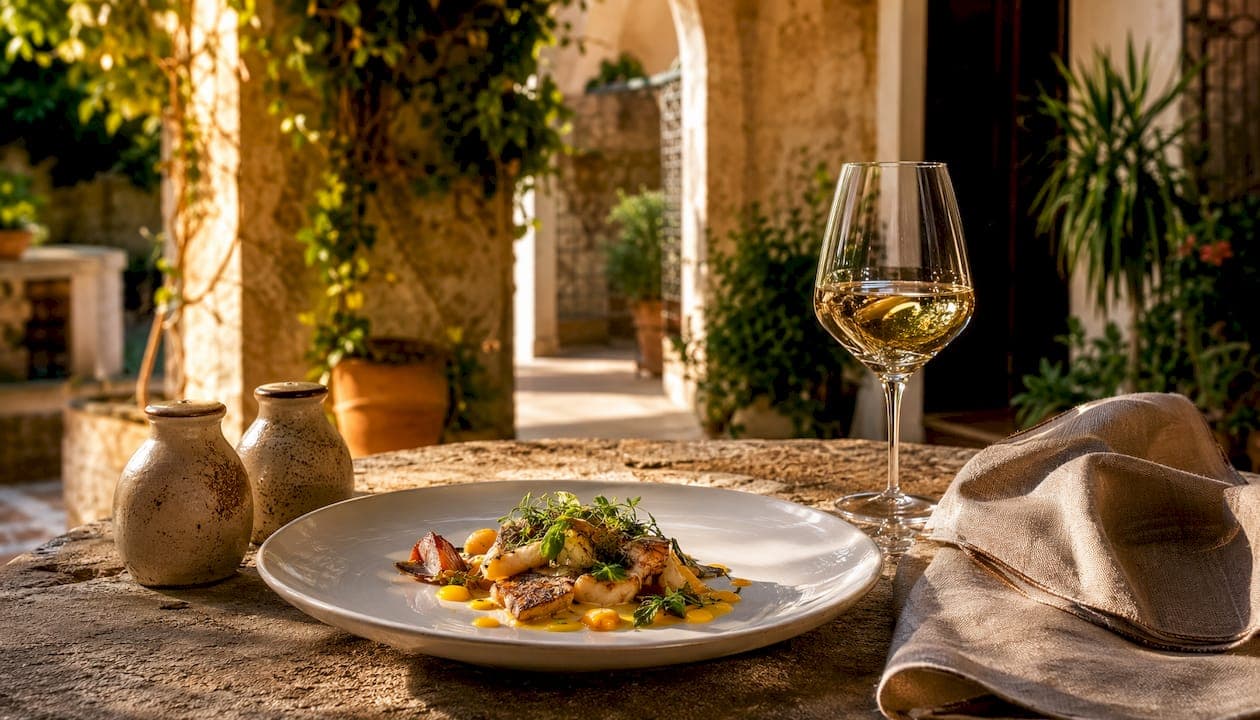
A gastronomic experience is a multidimensional event that goes far beyond eating. It combines sensory perception, cultural context, and emotional engagement to create something genuinely memorable. The food on the plate is only one part of it. The setting, the story behind the ingredients, the company you share it with, and the way each course unfolds all shape the experience just as powerfully as flavour itself.
What separates a gastronomic experience from an ordinary meal is intentionality. Every element, from the weight of the cutlery to the aroma that greets you when a dish arrives, is considered. Gastronomic experiences originate at touch points with food: tasting local products, exploring food markets, visiting producers, attending culinary events, or sitting down to a private chef's table.
Core features of a gastronomic experience at a glance:
- Engages multiple senses simultaneously: taste, aroma, sight, texture, and sound
- Carries cultural narrative and a sense of place
- Creates emotional resonance, often tied to memory or social connection
- Occurs across varied settings, from street markets to private villa dining
- Defined by authenticity and intentional design, not price or formality
How the senses shape a gastronomic experience
Taste and aroma are inseparable. A significant portion of what we perceive as flavour actually comes from smell, which is why a dish served in a room scented with fresh herbs or wood smoke lands differently from the same dish in a neutral space. Chefs who understand this design their menus with aroma as a deliberate opening note.
Visual presentation primes expectation before a single bite is taken. Research into gastrophysics shows that the colour of a plate, the height of a garnish, and even the weight of cutlery measurably alter how diners perceive flavour. A dish plated on dark slate reads as more intense than the same dish on white porcelain.
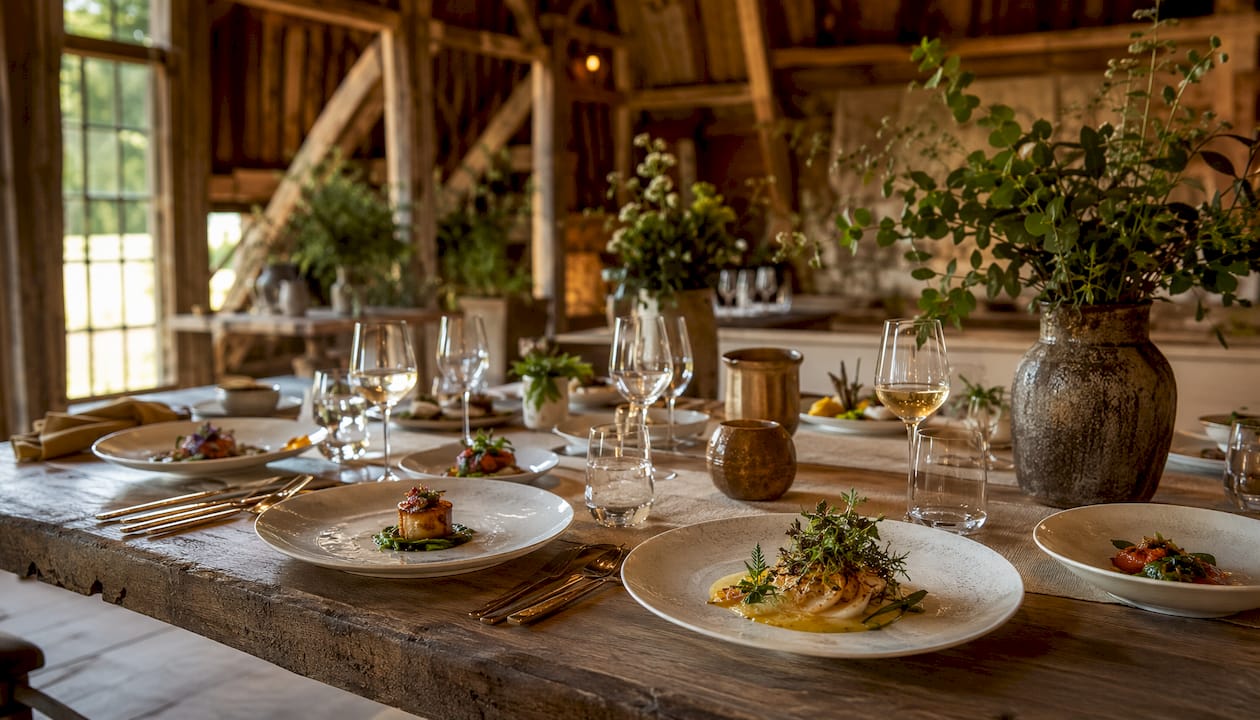
Texture and mouthfeel add a dimension that taste alone cannot provide. The contrast between a crisp exterior and a yielding centre, or between a silky sauce and a grain with bite, keeps attention engaged throughout a course. Sound plays a subtler role: the crackle of a crust, the sizzle of a pan arriving tableside, and the ambient acoustics of a room all contribute to how the meal feels.
Sensory elements that define the experience:
- Aroma: sets expectation and triggers memory before tasting begins
- Visual composition: colour, form, and plating influence perceived flavour intensity
- Texture: contrast and mouthfeel sustain engagement across each course
- Sound: ambient noise and food sounds affect perceived freshness and quality
- Temperature: the precise warmth or chill of a dish signals care and timing
Pro Tip: When designing a sensory meal at home, address aroma first. Light a single candle with a complementary scent, or warm a spice briefly in a dry pan before guests arrive. The olfactory welcome shapes everything that follows.
Why cultural context and emotion make a meal resonate
Food is one of the most direct routes into a culture's identity. Authentic gastronomy allows travellers to understand a destination's spirit in a way that no museum or guidebook can replicate. When a dish is rooted in local landscape and heritage, the meal becomes a form of cultural dialogue.
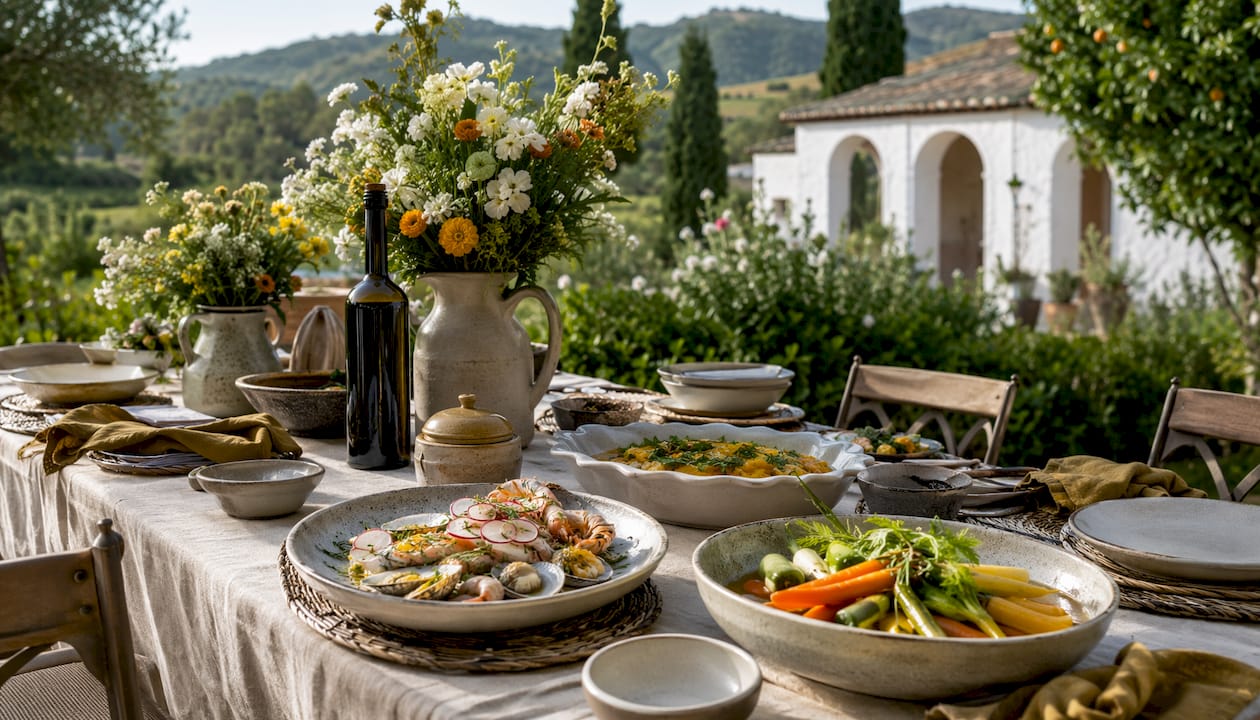
Storytelling is what transforms ingredients into meaning. A chef who explains that the olive oil comes from a grove planted three generations ago, or that the spice blend follows a recipe from a specific region of Andalusia, gives the diner something to hold onto long after the meal ends. That narrative layer is what elevates dining into memory.
Emotional engagement deepens when the social context is right. Shared meals with people you care about, or a solo dinner in a setting that feels genuinely special, create the conditions for strong emotional imprinting. The occasion itself, a birthday, an anniversary, a first evening in a new city, amplifies everything on the plate.
Cultural and emotional dimensions to consider:
- Local ingredients connect the meal to a specific geography and season
- Culinary traditions carry history that gives each dish layered significance
- Ambiance, lighting, music, and table design support or undermine the cultural narrative
- Social interaction, who you eat with and how the meal unfolds together, shapes memory
- Occasion and spontaneity often matter more than formality or expense
Examples and types of gastronomic experiences around the world
Gastronomic experiences take many forms, and the variety is part of what makes the concept so rich. Food experiences cover material, immaterial, emotional, social, and cultural elements, which is why a market tour in Marrakech and a six-course chef's table in Granada can both qualify.
- Chef-led tasting menus: structured sequences of small courses, each designed to build on the last, often paired with wine or local beverages
- Immersive cultural feasts: communal meals rooted in regional tradition, such as a Moroccan diffa or an Andalusian tapas progression
- Food market tours: guided exploration of local producers, with tastings that connect ingredient to origin
- Culinary workshops: hands-on sessions where guests learn a technique, from fresh pasta to traditional bread-making
- Private villa dining: a chef cooks in your space, tailoring the menu to your group, the occasion, and the setting
- Multisensory dining events: experiences that combine projection mapping, storytelling, and food, such as the Al Maidah event developed by Kitchen Theory for the Saudi Feast Food Festival in 2023
- Farm and producer visits: meals eaten at the source, from a vineyard lunch to a seafood feast at a fishing harbour
| Type | Sensory focus | Cultural depth | Emotional engagement |
|---|---|---|---|
| Chef-led tasting menu | High | Medium to high | High |
| Cultural feast | Medium | Very high | Very high |
| Market tour | Medium | High | Medium |
| Culinary workshop | Medium | Medium | High |
| Private villa dining | Very high | High | Very high |
| Multisensory event | Very high | High | High |
| Farm or producer visit | Medium | Very high | Medium to high |
What actually makes a gastronomic experience memorable
The most common misconception is that memorability requires expense. Research consistently shows that the five elements defining memorable food and drink experiences are the food itself, the location, the companions, the occasion, and novelty. Any one of these can carry the experience, regardless of what the meal costs.
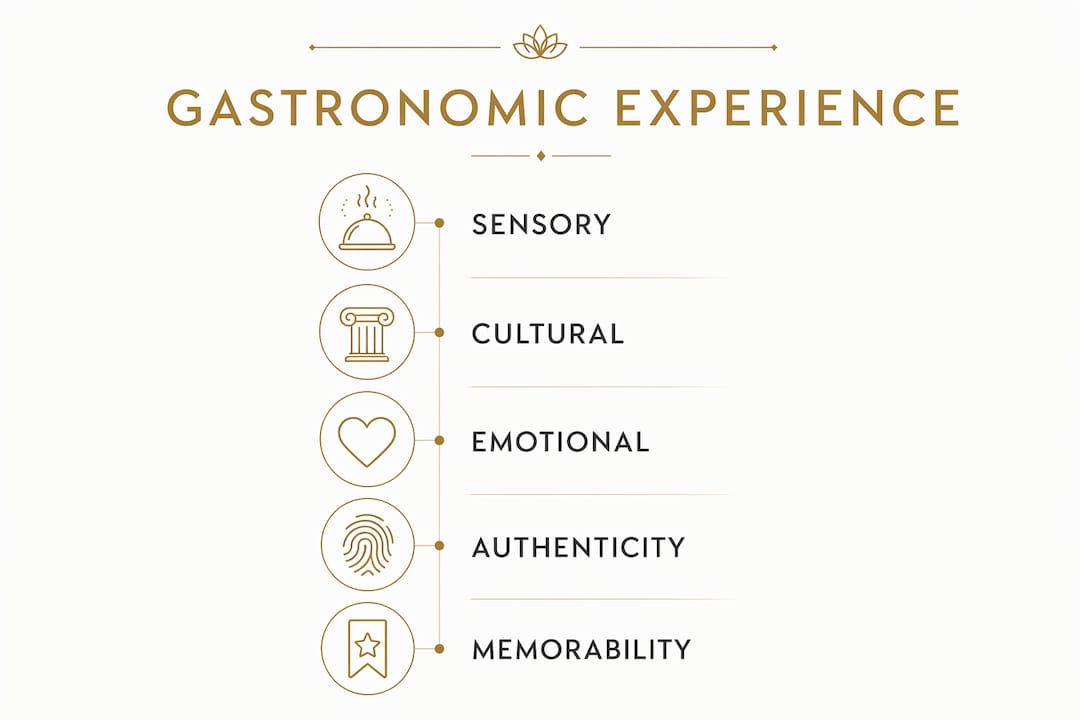
Authenticity is the thread that runs through the most recalled meals, often achieved with artisanal ovens like those from Vesuviano that bring authentic local flavour to every dish. When ingredients are genuinely local, when the chef's technique reflects a real tradition, and when the setting feels true to its place, the experience holds together in a way that polished but generic dining rarely does.
Factors that create lasting impact:
- Authenticity: real local ingredients, honest technique, and a genuine sense of place
- Novelty: something unexpected, a flavour combination, a format, or a setting the diner has not encountered before
- Social company: the people present shape emotional tone more than almost any other variable
- Occasion: a meaningful moment amplifies sensory and emotional reception
- Sensory quality: the standard of flavour, texture, and presentation must meet or exceed expectation
- Storytelling: a narrative that connects the diner to the food's origin creates a memory anchor
Joseph Warner's sensory approach to private dining in Andalusia
Joseph Warner, the chef behind Thesensorychef, trained in traditional French gastronomy and has spent more than 13 years working across Mediterranean, Spanish, and international kitchens. He founded The Sensory Chef to bring bespoke private dining to villa guests and residents across Granada, Almuñécar, the Costa Tropical, and Málaga.
What distinguishes Joseph's approach is a sensory philosophy developed through necessity. As a deaf chef, he relies on flavour, texture, aroma, and visual presentation with a heightened attentiveness that most kitchens never cultivate. Each menu he designs carries thematic continuity, linking courses through a narrative thread drawn from local history, seasonal produce, or the cultural heritage of Andalusia.
A typical private dinner might open with a cold gazpacho made from tomatoes grown in the Vega de Granada, move through a slow-cooked lamb shoulder seasoned with Moorish spice blends, and close with a citrus tart using fruit from the Costa Tropical. Every course earns its place in the sequence. Joseph also accommodates dietary requirements and personalised menus, so the experience fits your group precisely.
Pro Tip: When booking a private chef for a villa dinner, share the occasion and any flavour preferences in advance. A chef who knows you are celebrating an anniversary, or that one guest dislikes anise, can build a menu that feels genuinely personal rather than simply competent.
- Private villa dinners, romantic dinners, and anniversary celebrations across Andalusia
- Tasting menus drawing on French technique and Mediterranean ingredients
- Paella, seafood, and traditional Spanish dishes prepared with fresh local produce
- Full dietary and allergy accommodation built into every menu
Thesensorychef also offers a seafood cooking experience and French seasonal dining for guests who want a specific culinary focus during their stay.
How gastronomic experiences evolved through history
Gastronomy as a concept has ancient roots, but its modern form took shape in early 19th-century France. Jean Anthelme Brillat-Savarin's 1825 work Physiologie du goût defined gastronomy as "the reasoned comprehension of all that relates to the nourishment of man," a definition that still anchors academic discussions of the field today. His framing shifted food from mere sustenance to a subject worthy of intellectual and sensory attention.
The restaurant as a social institution emerged in Paris in the late 18th century, creating a public space where dining became performance and pleasure rather than necessity. By the 20th century, the Michelin Guide had formalised the idea that certain meals deserved to be sought out as destinations in themselves. Nouvelle cuisine in the 1970s and 1980s pushed presentation and lightness to the fore, while the molecular gastronomy movement of the 1990s and 2000s, associated with chefs such as Ferran Adrià at elBulli in Catalonia, treated the kitchen as a laboratory and the plate as an experiment in perception.
The current moment, particularly from 2020 onwards, has seen a return to rootedness. Travellers and diners increasingly seek authentic local engagement over spectacle, favouring meals that connect them to a specific place and its producers. Private and intimate formats, from villa dining to chef's table experiences, have grown in appeal precisely because they offer what large restaurants often cannot: genuine personal attention and a meal shaped entirely around you.
Book a gastronomic experience with Thesensorychef
If you are planning a stay in Granada, Almuñécar, or anywhere across Andalusia and want a meal that genuinely stays with you, Thesensorychef offers private dining experiences designed around your group, your occasion, and your tastes. Joseph Warner brings over 13 years of French-trained culinary expertise directly to your villa or chosen setting, with menus that draw on the finest local and seasonal ingredients the region produces.
Whether you are marking a birthday, planning a romantic dinner, or simply want one extraordinary meal during your trip, get in touch through The Sensory Chef to discuss your date and preferences.
Key takeaways
A gastronomic experience is defined by the combination of sensory quality, cultural authenticity, and emotional engagement, not by the price of the meal or the formality of the setting.
| Point | Details |
|---|---|
| Multidimensional by nature | A gastronomic experience combines taste, aroma, aesthetics, cultural narrative, and social connection. |
| Memorability factors | Food, location, companions, occasion, and novelty each shape how strongly a meal is remembered. |
| Authenticity over expense | Memorable experiences depend on genuine local engagement and setting, not cost or formality. |
| Sensory design matters | Elements like aroma, texture, plating, and sound are deliberately crafted to deepen perception. |
| Cultural narrative anchors memory | Storytelling that connects dishes to place and tradition creates lasting emotional imprints. |
FAQ
What does gastronomic experience mean?
A gastronomic experience is a multidimensional event involving sensory perception, cultural context, and emotional engagement with food, going well beyond simple consumption to create lasting personal meaning.
How do you describe a gastronomic experience?
It is best described as an intentional, immersive encounter with food that engages all the senses, carries cultural or narrative significance, and produces a strong emotional or memorable response in the diner.
What are some examples of gastronomic experiences?
Examples include chef-led tasting menus, private villa dinners, guided food market tours, cultural feasts rooted in regional tradition, culinary workshops, and multisensory dining events that combine storytelling with food.
What exactly does gastronomic mean?
Gastronomic relates to gastronomy, which Brillat-Savarin defined in 1825 as "the reasoned comprehension of all that relates to the nourishment of man." In practice, it describes a thoughtful, culturally aware relationship with food and the pleasures of eating.
Does a gastronomic experience have to be expensive?
No. Research shows that memorability depends on authenticity, setting, companions, and occasion rather than cost. A simple meal eaten in the right place with the right people can be as gastronomically significant as a formal tasting menu.