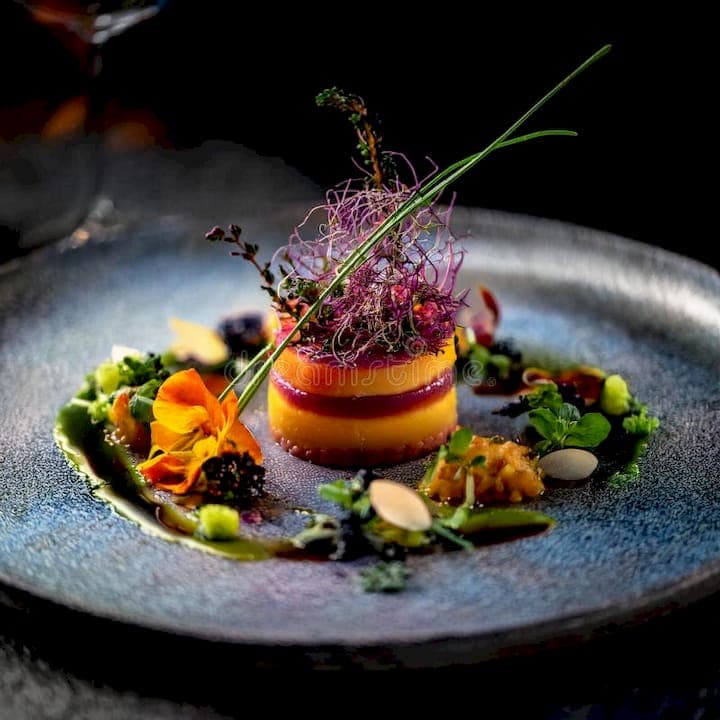
A vegetarian chef is a professional cook who designs and prepares menus built entirely around vegetables, pulses, grains, dairy and eggs, with no meat or fish. In the UK, demand for these specialists has grown steadily across restaurants, hotels, private dining and events, driven by shifting dietary habits, environmental awareness and a culinary culture that now treats vegetables as the main event rather than a side thought.
The role covers far more than swapping out protein. A skilled vegetarian chef:
-
Designs seasonal menus that balance flavour, texture and nutrition without animal protein
-
Sources fresh, local and often organic produce, working closely with growers and markets
-
Manages allergen protocols and cross-contamination risks for guests with complex dietary needs
-
Develops recipes that satisfy both committed vegetarians and guests who simply want something memorable
-
Adapts menus for private dinners, tasting experiences, celebrations and large-scale catering
Whether you are a career seeker looking to specialise, an employer hiring for a plant-forward kitchen, or a villa guest planning a private dinner in Andalucía, understanding what this role demands is the first step.
Key takeaways
A vegetarian chef is a skilled professional who builds menus entirely from plant ingredients, and in the UK the role spans restaurants, hotels, private dining and events, with senior positions advertised at up to around £40,000 per annum.
| Point | Details |
|---|---|
| Role definition | A vegetarian chef designs and cooks menus built around vegetables, pulses, grains, dairy and eggs, with no meat or fish. |
| UK salary range | Senior roles reach up to around £40,000 per annum; private chef day rates vary by menu complexity and guest numbers. |
| Where to find jobs | Indeed UK and Caterer.com are the primary boards; direct outreach and supper clubs remain effective for private chef work. |
| How to specialise | Combine a foundation culinary qualification with plant-based short courses, staging and a strong visual portfolio. |
| Private dining in Andalucía | The Sensory Chef offers bespoke vegetarian private dining in Granada and Andalucía; book directly to discuss menus and dates. |
Table of Contents
-
Notable vegetarian and vegetable-forward chefs worth knowing
-
How do you hire a vegetarian private chef or book plant-based private dining?
-
A French-trained chef’s perspective on sensory, seasonal vegetarian cooking
-
Private vegetarian dining with The Sensory Chef in Granada and Andalucía
What does a vegetarian chef do day to day?
The daily rhythm of a vegetarian chef differs from a conventional kitchen in one fundamental way: every dish must carry its own weight. There is no default protein to anchor a plate, so the work of building depth, satisfaction and visual appeal falls entirely on technique and ingredient knowledge.
A typical day begins with mise en place: breaking down seasonal vegetables, preparing stocks from roasted roots and aromatics, and setting up ferments or pickles that may have been started days earlier. Menu development runs alongside service prep, particularly in smaller operations where the chef writes the menu as well as cooks it. Recipe testing for plant-based dishes often takes longer than for meat-based equivalents because achieving the right texture and umami balance requires more iterations.
During service, timing is everything. Vegetable cookery is less forgiving than it appears: a roasted celeriac needs a precise window, a warm salad wilts in seconds, and a plant-based sauce can split if held too long. Plating for vegetarian menus tends to be more intricate, with colour, height and contrast doing the work that a piece of protein would otherwise provide.
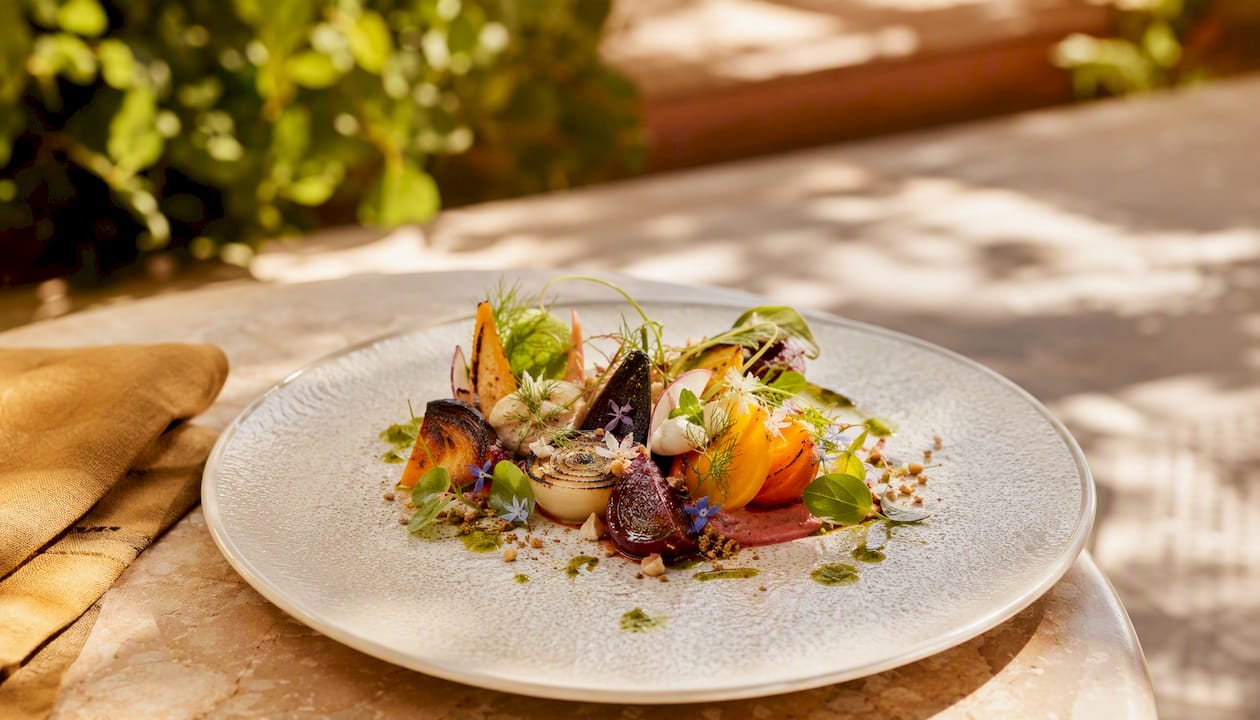
Allergen management is a daily responsibility, not a periodic one. Many guests who request vegetarian menus also carry nut, gluten or dairy allergies, so cross-contamination checks and clear communication with front-of-house staff are part of every service.
Pro Tip: Keep a running flavour journal of every dish you test. Noting what worked and what did not, including the exact cooking time and seasoning ratios, shortens future development cycles considerably.
Where do vegetarian chefs work in the UK?
The range of employment settings is wider than many career seekers expect. The role is not confined to dedicated vegetarian restaurants, though those remain a natural home.
-
Dedicated vegetarian and vegan restaurants: the most obvious route, concentrated in London, Manchester, Bristol and Edinburgh, where plant-forward dining has a strong established audience
-
Hotels and resort kitchens: increasingly required to offer full vegetarian tasting menus rather than a single adapted dish, creating demand for chefs who can design these from scratch
-
Private chef and villa dining: a growing market in the UK and abroad, where clients book a chef for a single event or a week-long stay and want menus tailored to their household’s dietary preferences
-
Corporate and event catering: large-scale operations that need consistent vegetarian output across hundreds of covers
-
Supper clubs and pop-ups: a popular route for chefs building a profile or testing a concept before committing to a permanent site
-
Food media, recipe development and cookery schools: roles that suit chefs with strong communication skills alongside culinary expertise
London dominates in terms of volume. Caterer’s London listings are updated daily and consistently show demand for plant-forward chefs across all kitchen grades. Outside the capital, private dining and tourism-driven hospitality, particularly in areas with strong villa rental markets, offer opportunities that rarely appear on mainstream job boards.
Salary signal: UK job listings on Indeed show advertised rates for vegetarian chef roles reaching up to around £40,000 per annum for senior positions, with hourly rates in the region of £17–£18 for mid-level roles. These are indicative listing examples, not a market-wide average.
How do you become a vegetarian chef in the UK?
There is no single prescribed route, but the most reliable path combines formal culinary training with deliberate specialisation in plant-forward cooking.
-
Complete a foundation culinary qualification. City & Guilds Level 2 and Level 3 Professional Cookery qualifications, offered at colleges across the UK, provide the technical grounding in knife skills, stocks, sauces and kitchen management that every professional kitchen expects. Apprenticeships through the Hospitality and Catering Industry Training Board (HCTIB) offer an earn-while-you-learn alternative.
-
Work your way through the kitchen brigade. A commis chef role in a quality kitchen, vegetarian or otherwise, builds speed, discipline and palate. A sous chef stage in a plant-forward restaurant accelerates specialisation.
-
Seek out plant-based specific training. The Vegetarian Society’s Cordon Vert cookery school in Cheshire offers dedicated professional courses. Short courses from providers such as Leiths and Ballymaloe also cover vegetable-forward techniques in depth.
-
Stage in kitchens that inspire you. Unpaid or low-paid stages in respected vegetarian or vegetable-forward restaurants remain one of the fastest ways to absorb technique and build a professional network.
-
Build a portfolio. Document every dish you develop with photography, tasting notes and menu context. A strong portfolio is often more persuasive than a CV for private chef and supper club work.
For classically trained chefs looking to convert, the transition is more about philosophy than technique. Alexis Gauthier, the Michelin-trained chef who moved his London restaurant to a fully plant-based menu, has argued publicly that classical French training is entirely compatible with leading high-end vegetarian cuisine, and that the shift is as much an ethical decision as a culinary one.
Practical networking steps:
-
Join the Craft Guild of Chefs or the British Culinary Federation to access industry events and mentoring
-
Attend trade shows such as the Restaurant Show at ExCeL London
-
Run a supper club to build a local audience and attract media attention
-
Use Instagram and LinkedIn to share recipe development and behind-the-scenes content
What skills does a successful vegetarian chef need?
Technical mastery of vegetable cookery is the obvious starting point, but the skills that separate a competent vegetarian chef from an exceptional one go considerably further.
Technical cookery skills:
-
Vegetable cookery methods: high-heat roasting for caramelisation, slow braising for depth, fermentation for acidity and complexity, and charring for smokiness
-
Umami development without meat: using miso, tamari, dried mushrooms, nutritional yeast, aged cheeses and roasted alliums to build savoury depth
-
Fat management: understanding how olive oil, butter, tahini, nut creams and coconut products behave differently in sauces, emulsions and pastry
-
Texture contrast: combining crisp, yielding, creamy and chewy elements within a single dish so that each mouthful holds interest
Nils Henkel’s “Pure Nature” philosophy captures this well: vegetable-forward cuisine should showcase the intrinsic, seasonal flavour of each ingredient so completely that guests who usually eat meat do not feel anything is absent. Seasonality and provenance are not marketing language here; they are the primary tools for creating depth.
Menu and kitchen management skills:
-
Costing plant-based menus accurately, since premium seasonal produce can be expensive and portion yields vary
-
Managing kitchen flow so that delicate vegetable dishes are not held too long before service
-
Communicating clearly with front-of-house staff about allergens, dish components and substitutions
Soft skills:
-
Client communication for private dining, where menus are built around individual preferences and dietary requirements
-
Creativity and resilience, particularly when seasonal availability changes at short notice
-
The ability to make plant-based food feel indulgent and familiar, not ascetic. Chef Chloe Coscarelli has noted that mainstream acceptance of plant-based cooking often comes from translating comfort-led, familiar dishes into vegetarian formats rather than presenting something entirely new.
Pro Tip: Master one fermentation technique thoroughly before adding others. A well-made kimchi, lacto-fermented vegetable pickle or miso paste gives you a flavour tool that no amount of seasoning can replicate.
What salary can a vegetarian chef expect in the UK?
Pay varies considerably by role, experience and employment type. The figures below reflect typical ranges seen across UK job listings and hospitality salary surveys; they are indicative rather than guaranteed.
Indeed UK listings show advertised salaries for vegetarian chef roles reaching up to around £40,000 per annum for senior positions, with hourly rates around £17–£18 for mid-level work.
Several factors push pay above these ranges:
-
Michelin-trained background: chefs who have worked in starred kitchens command a premium in private dining and high-end restaurants
-
Private dining specialism: event and villa work is typically priced per head or as a flat day rate, which can exceed salaried equivalents for experienced chefs
-
London and South East location: cost-of-living adjustments mean London rates are consistently higher
-
Seasonal demand: summer and the festive period drive up private chef day rates significantly
For private chef work specifically, fees are rarely advertised publicly and are usually negotiated based on menu complexity, guest numbers, travel and the level of service expected.
Where can you find vegetarian chef jobs in the UK?
The most productive job search combines mainstream hospitality boards with specialist channels and direct outreach.
-
Indeed UK: the broadest volume of listings, including roles from small independent restaurants and large hotel groups; set up a daily alert for “vegetarian chef” and “plant-based chef”
-
Harri and Hozpitality: hospitality-specific platforms with good coverage of London and major city roles
-
LinkedIn: increasingly used for head chef and private chef recruitment, particularly for roles that are not publicly advertised
-
Direct approach: many of the best vegetarian chef roles are filled through personal recommendation; writing directly to restaurants and private dining agencies you admire is often more effective than waiting for a listing
For private chef work specifically:
-
Build a professional website or portfolio page with sample menus, photography and client testimonials
-
Register with private chef agencies that place chefs in UK villas and private residences
-
Use Instagram to document seasonal dishes and behind-the-scenes kitchen work; many private clients discover chefs through social media before any formal application
Pro Tip: Tailor your CV to highlight plant-forward experience explicitly. Many chefs list “vegetarian and vegan menus” as a single line; instead, describe a specific dish or menu you developed, the occasion it was for, and the dietary constraints it addressed. Specificity signals genuine expertise.
Notable vegetarian and vegetable-forward chefs worth knowing
These practitioners have shaped the way plant-based cooking is understood in the UK and beyond, and their careers illustrate the range of routes available.
-
Yotam Ottolenghi: the London-based chef and author whose books, including Plenty and Ottolenghi SIMPLE, repositioned vegetables as the most interesting ingredient on the plate. His influence on how UK restaurants approach vegetarian menus is difficult to overstate.
-
Anna Jones: a former Jamie Oliver protégée who has built a career as a cookbook author and food writer focused entirely on vegetarian and plant-based cooking. Her books A Modern Way to Eat and A Modern Way to Cook are widely used as reference texts in professional kitchens.
-
Gaz Oakley (Avant-Garde Vegan): a self-taught Welsh chef who built a substantial following through YouTube and social media before publishing cookbooks and working with major food brands. His career demonstrates how digital platforms can replace the traditional restaurant route to visibility.
-
Ella Mills (Deliciously Ella): began as a food blogger and built a brand that now spans cookbooks, a restaurant group and a food product range. Her trajectory shows how media presence and community-building can drive a culinary career without classical training.
-
Meera Sodha: a food writer and columnist whose work for The Guardian and her cookbooks East and Fresh India have brought South Asian vegetarian cooking to a mainstream UK audience. Her career sits at the intersection of journalism and culinary expertise.
-
Alexis Gauthier: a Michelin-trained French chef who converted his London restaurant Gauthier Soho to a fully plant-based menu, arguing that classical training and ethical plant-based gastronomy are entirely compatible. His is one of the most compelling examples of a high-end career pivot in UK hospitality.
Pro Tip: Follow these chefs not just for recipes but for how they communicate their philosophy. The language they use to describe flavour, sourcing and seasonality is the same language that resonates with private dining clients and restaurant guests.
How do you hire a vegetarian private chef or book plant-based private dining?
Hiring a private chef for a vegetarian dinner, whether for a villa stay, a birthday celebration or an intimate tasting menu, requires more preparation than booking a restaurant table. The checklist below covers the essentials.
Before you book:
-
Ask to see sample menus, specifically plant-based or vegetarian ones, to assess range and creativity
-
Confirm the chef’s experience with dietary restrictions beyond vegetarianism: nut allergies, gluten intolerance and dairy-free requirements are common combinations
-
Check that the chef carries public liability insurance and, where relevant, food hygiene certification (Level 2 or Level 3 Award in Food Safety)
-
Clarify what is included in the fee: ingredients, equipment, travel, service and clearing up
Questions worth asking:
-
“Can you describe a vegetarian tasting menu you have designed recently, and how you approached the flavour progression?”
-
“How do you handle a guest who has both a nut allergy and a dairy intolerance within the same menu?”
-
“What is your approach to sourcing local and seasonal produce for a private dinner?”
Pricing models:
Private chef fees for vegetarian dining typically follow one of three structures: a flat day rate (covering preparation, service and travel), a per-head fee (which scales with guest numbers), or a bespoke quote for multi-course tasting menus. Ingredient costs are usually charged separately at cost price. Travel and market surcharges apply when the chef sources produce from specialist suppliers or travels beyond their base area.
For guests booking a private vegetarian dinner in Andalucía, understanding how to communicate dietary preferences clearly before the booking is confirmed saves time and avoids last-minute menu changes.
Pro Tip: Request a short tasting or a sample menu proposal before committing to a full booking. A chef who is confident in their plant-based work will welcome the opportunity to demonstrate it.
A French-trained chef’s perspective on sensory, seasonal vegetarian cooking
Joseph Warner, founder of The Sensory Chef, trained in classical French gastronomy and has spent more than 13 years working across private dining, events and villa experiences in Granada and Andalucía. His approach to vegetarian and plant-forward menus is grounded in the same principles that underpin French haute cuisine: precision, seasonality and the idea that every element on the plate must earn its place.
For private villa dinners, Joseph designs vegetarian tasting menus that move through distinct sensory stages. A sample three-course structure for a summer evening in Granada might look like this:
-
Starter: chilled gazpacho with a brunoise of local tomato, cucumber oil and a crisp of sourdough; the acidity is balanced against a small quenelle of whipped goat’s cheese
-
Main: slow-roasted aubergine from the Vega de Granada, glazed with a reduction of Pedro Ximénez sherry and miso, served with a warm salad of roasted peppers, toasted almonds and fresh herbs
-
Dessert: a tart of local figs with almond cream, honey from the Sierra Nevada and a dusting of cinnamon
Each course is designed around what is available at the local market that week, not a fixed recipe. The aubergine might become courgette in July; the fig tart shifts to a quince preparation in autumn.
Practical tips for private dining clients:
-
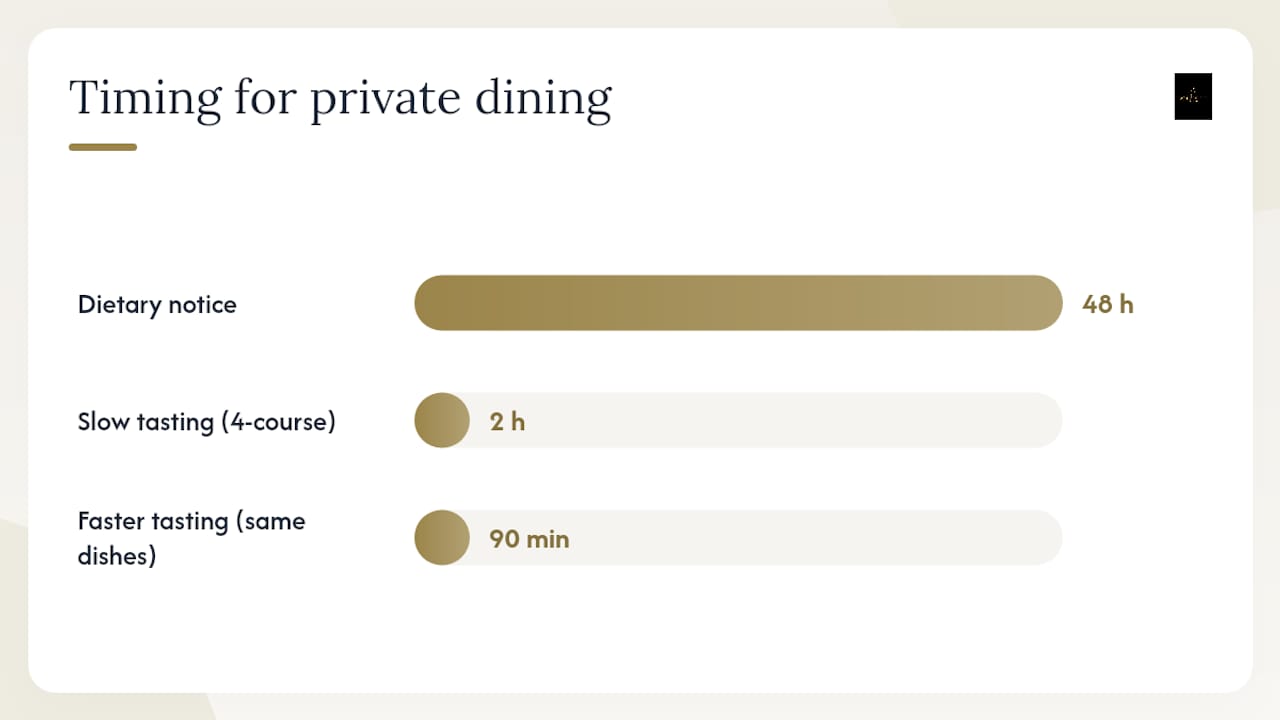
Share your dietary requirements in writing at least 48 hours before the dinner, including any intolerances that are not immediately obvious (sulphites in wine, for example)
-
Discuss the pacing of the meal: a four-course tasting menu over two hours feels very different from the same dishes served in ninety minutes
-
Ask about wine pairing options; a plant-forward menu often pairs beautifully with natural and biodynamic wines from Andalucía and neighbouring regions
For private villa dining in Granada, the sensory dining experience Joseph creates draws on texture, temperature and aroma as much as flavour, a philosophy developed through years of cooking as a deaf chef, where every other sense is heightened.
Pro Tip: For tasting menus, ask your chef to describe the flavour arc of the meal before it begins. Knowing that the menu moves from bright and acidic through rich and earthy to sweet and aromatic helps guests pace themselves and appreciate each course more fully.
Why vegetarian cooking matters more than most chefs admit
The conventional view in professional kitchens is that vegetarian menus are a concession to dietary preference rather than a genuine culinary ambition. That view is changing, but not fast enough.
The chefs who have done the most to shift it, Ottolenghi, Gauthier, Jones, are not making a virtue of absence. They are arguing that vegetables, treated with the same rigour and respect that classical training applies to meat and fish, produce food that is more interesting, more varied and more responsive to season than almost any other approach. A roasted celeriac with a miso glaze and a hazelnut crumb is not a substitute for anything. It is its own complete idea.
For private dining specifically, a vegetarian menu is often the most personal thing a chef can offer. It requires a genuine conversation about what the guests enjoy, what they avoid and what the occasion calls for. That conversation, and the menu that comes from it, is where the real craft lives.
Plant-forward cooking also aligns with where hospitality is heading. Sustainability, provenance and seasonal sourcing are no longer niche concerns; they are what discerning guests expect. A chef who can build a menu around what is growing locally, right now, and make it feel indulgent rather than virtuous, has a skill that will only become more valuable.
If you are planning a private dinner in Andalucía and want a menu that treats vegetables as the main event, The Sensory Chef would be glad to discuss what that might look like for your occasion.
Private vegetarian dining with The Sensory Chef in Granada and Andalucía
The Sensory Chef offers bespoke private dining experiences across Granada, Málaga, Marbella and the Costa del Sol, with vegetarian and plant-forward menus designed around the season and your household’s preferences. Joseph Warner brings more than 13 years of French-trained culinary experience to every booking, from an intimate two-person anniversary dinner to a villa celebration for twelve.
Every menu is built from scratch. Dietary requirements, including complex combinations of vegetarian, gluten-free and nut-free needs, are handled with care and precision from the first conversation. Sample menus, ingredient sourcing from local Andalusian markets, and full service from preparation through to clearing are all included.
To discuss your dates and menu preferences, book your experience directly through The Sensory Chef.
Sources
FAQ
What are some famous vegetarian chefs?
Yotam Ottolenghi, Anna Jones, Meera Sodha, Gaz Oakley and Alexis Gauthier are among the most influential vegetarian and vegetable-forward chefs with strong UK relevance. Each has built their reputation through a different route: restaurants, cookbooks, social media and Michelin-trained fine dining.
Can you be a vegetarian chef professionally in the UK?
Yes. Dedicated vegetarian chef roles exist across restaurants, hotels, private dining and catering, with listings on boards such as Indeed and Caterer. Many chefs also specialise in plant-forward cooking within conventional kitchens rather than working exclusively in vegetarian venues.
Is Gordon Ramsay a vegan?
No. Gordon Ramsay is not vegan or vegetarian, though he has introduced plant-based dishes to some of his menus in response to guest demand.
Is Jamie Oliver a vegetarian?
No. Jamie Oliver is not vegetarian, though he has published vegetarian recipe books and advocates for reducing meat consumption as part of a balanced diet.
How much does a private vegetarian chef cost in the UK?
Private chef fees for vegetarian dining vary widely. Day rates typically range from around £300 to £600 or more depending on menu complexity, guest numbers and travel, with ingredients usually charged separately at cost price.