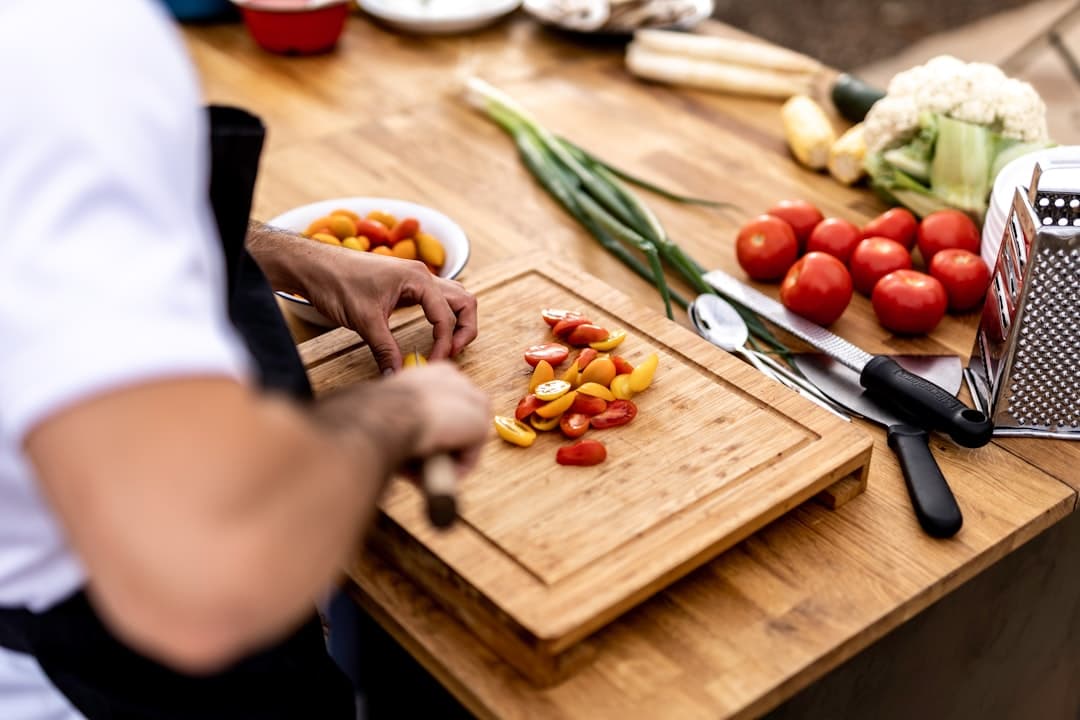
You can book a hands-on taller de cocina en Granada at studios across the city or arrange a private in-villa session with your own chef. Most formats run 3 to 4 hours and end with everyone sitting down together to eat what they cooked. If you want to move fast, check a studio’s calendar for the next open date, or send an enquiry for a bespoke private class if you’d rather cook in your own villa kitchen.
TL;DR:
Most public workshops in Granada cost more if seafood or premium ingredients like fresh seafood are used, but private group sessions are generally priced as a flat fee for the entire party.
Group sizes in public studios usually range from 6 to 12 participants, with private sessions accommodating larger or smaller groups that can affect individual attention.
The typical duration of a cooking class is 3 to 4 hours, including cooking, eating, and sharing a communal meal, with ingredients, recipe sheets, and aprons usually included.
Foodie visitors with prior kitchen experience derive more value from themed public classes, while beginners or families often prefer private bookings for flexibility and tailored menus.
Booking private in-villa workshops with The Sensory Chef requires early inquiry, and menus are personalized around dietary needs and preferences, with sessions customized for villa groups or special occasions.
Table of Contents
Types of cooking workshops available in Granada
Granada’s workshop scene splits roughly into two camps: public studio classes you book individually, and private sessions built around your group. Both share the same DNA, hands-on cooking followed by a meal together, but the experience differs depending on which you choose.
Public studios tend to run themed sessions on a rotating schedule. Tapas masterclasses are the most requested, followed closely by paella and other Andalusian rice dishes. Bread and pastry workshops draw a steadier, more repeat-visit crowd, while regional Andalusian specialities and the odd international theme (Italian pasta, French sauces) round out the calendar.
-
Tapas masterclasses: small plates, quick techniques, good for a first-timer.
-
Paella and arroces: the classic Spanish rice dish, often the most photographed session of the week.
-
Bread and pastry: slower-paced, ingredient-focused, popular with returning students.
-
Regional and international themes: Andalusian classics alongside French or Italian dishes.
-
Private group workshops: bespoke menus for villa guests, birthdays, or corporate teams.
Weekly academy-style courses exist for anyone treating this as a genuine hobby rather than a one-off, but the far more common booking is a single experiential class. Gift vouchers are widely sold, which makes a workshop a straightforward present for a food-loving relative or a group of friends visiting for a special occasion.
What’s included in a typical Granada cooking class
A standard session runs 3 to 4 hours, with the bulk of that time spent cooking and the final stretch spent eating what you made. That closing meal, the sobremesa, is not an afterthought. Local class listings and visitor experiences consistently point to the shared table as the part people remember longest, more than any single technique they learned.
What’s usually included: ingredients, a printed or digital recipe sheet to take home, an apron, and the communal meal itself. Drinks policies vary by studio, so ask before you book if wine or coffee is part of the price.
Group size shapes the experience more than most people expect. Small studios often cap classes around 12 participants, which keeps instruction reasonably hands-on. Private groups can be smaller or considerably larger, but a bigger table generally means less individual coaching at the stove and more of a shared, sociable pace.
-
Duration: 3 to 4 hours, cooking plus a shared meal
-
Includes: ingredients, apron, recipe sheet, communal dining
-
Group size: typically 6 to 12 in public studios; private groups set their own number
How much does a cooking class cost in Granada?
Pricing for a curso de cocina in Granada follows a fairly predictable structure. Public workshops are sold per person, with the price reflecting the ingredients used (a paella session with fresh seafood costs more to run than a bread class) and whether the studio includes drinks. Private and in-villa sessions price differently again, usually as a fixed fee for the group rather than a per-head rate, which tends to work out better value once you’re cooking for six or more.
Gift vouchers and multi-class passes are widely available, which suits anyone buying a present rather than booking for themselves. A single voucher typically covers one class of the recipient’s choosing; multi-class passes reward people who want to build a habit rather than try cooking once and move on.
-
Solo travellers and couples: a single public workshop, chosen by theme.
-
Families with children: shorter, simpler menus work best, ask the studio directly about age suitability.
-
Groups of friends or corporate teams: a private group booking, priced as a flat fee.
-
Villa guests wanting something bespoke: an in-villa private class with a menu built around your stay.
Foodies who already cook confidently at home tend to get the most from a themed public class, since the pace assumes some existing kitchen comfort. Complete beginners and families usually do better with a private booking, where the menu and speed can flex to the group.
How to choose the right cooking workshop
Not every studio page tells you what you actually need to know before booking. A short checklist saves you from an awkward surprise on the day.
-
Check the menu. Does the listing name specific dishes, or just a vague theme? Vague usually means the menu changes with market availability.
-
Ask about dietary accommodation. Vegetarian and gluten-free adjustments are common; shellfish allergies around paella need a direct question, not an assumption.
-
Confirm the language of instruction. Most tourist-facing classes run in English and Spanish, but it’s worth asking if your group includes non-Spanish speakers.
-
Note the group size. A class of 12 feels very different from a private table of four.
-
Get the start and end time in writing. A “3 to 4 hour” listing can mean either end of that range depending on the group’s pace.
-
Ask what’s genuinely included. Drinks, aprons, and recipe cards vary by studio, don’t assume.
-
Read the cancellation policy before you pay a deposit.
Pro Tip: Send one message before booking that asks all four questions at once, menu flexibility, dietary handling, group size, and what’s included. A studio that answers clearly and quickly is usually the one that runs the class well too.
Red flags worth taking seriously: no published schedule, no way to see previous guests’ experiences, unclear pricing that only appears after you enquire, or no answer when you ask about food safety and allergies. A studio confident in its offering will answer these without hesitation.
Booking, schedules and getting there
Public workshops in Granada are usually booked through an online calendar, with midday and early evening slots the most common options. Private sessions work differently: you’ll typically send an enquiry by email or WhatsApp, and because a private chef needs to source ingredients and plan the menu around your group, these bookings need more lead time than a walk-in public class.
-
Public classes: book online, cancellation windows vary by studio, check before paying.
-
Private bookings: enquire early, expect a deposit, and confirm your final numbers a few days ahead.
-
Practical notes: allow time for parking or a short taxi ride into the centre, mention dietary needs when you book, and ask about step-free access if it matters to your group.
The Sensory Chef’s approach to workshops in Granada
Joseph Warner trained in French gastronomy and has spent more than thirteen years running kitchens and private dining experiences across Granada and Andalucía. That background shapes how a workshop with The Sensory Chef feels: less about ticking off techniques, more about flavour, texture, aroma and the way a dish looks on the plate before anyone tastes it.
Dietary accommodation is built into the planning from the first message, not bolted on afterwards. The same goes for the meal at the end, it’s treated as the point of the session, not the reward for finishing. Villa guests can request a bespoke in-villa workshop built around their stay dates; because menus are planned individually, earlier enquiries generally get more flexibility on dates and dishes.
— Joseph Warner
Book a private cooking workshop with The Sensory Chef
If a public studio class feels too fixed, or your villa group would rather cook (and eat) somewhere more private, The Sensory Chef builds the entire session around you, your kitchen, your guest list, your dietary needs, with no need to travel into town or share a table with strangers.
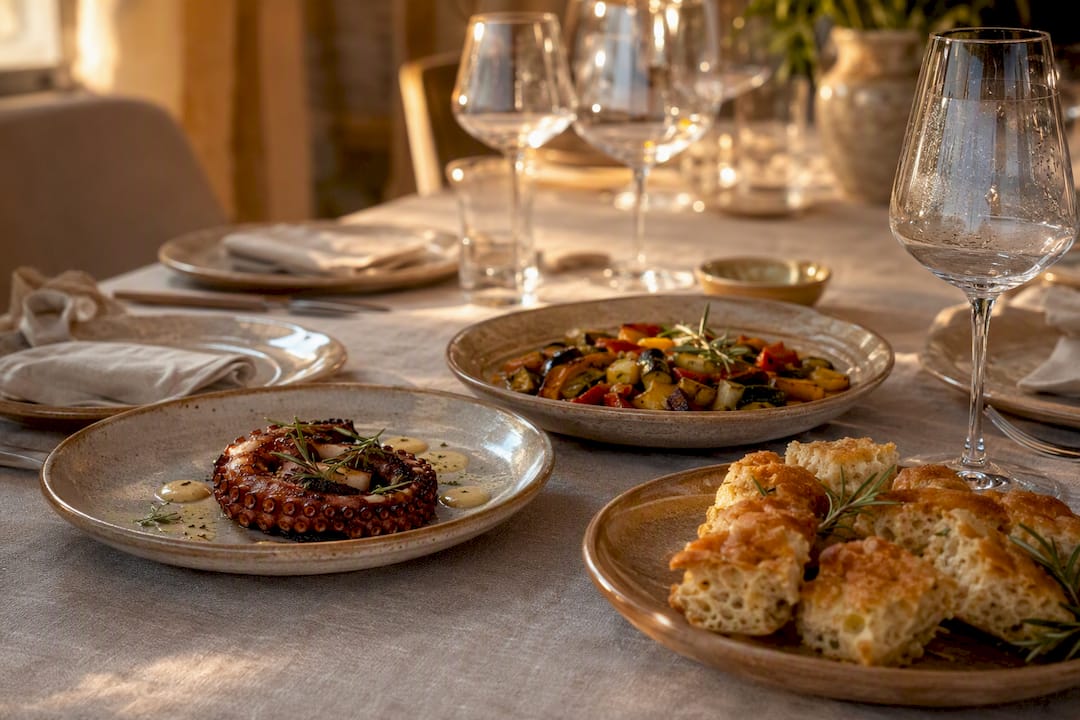
Sessions draw on French technique and Mediterranean ingredients, so a request might centre on a tapas masterclass, a hands-on paella experience, or a menu built entirely around your own dietary requirements. As research into food tourism points out, the sessions people remember are the ones that feel personal rather than programmed, and that’s precisely what a private, in-villa format is built for.
Private bookings need a little more lead time than a public class, so it’s worth reaching out as soon as your dates are confirmed. Get in touch through Joseph Warner’s booking page to request a date, discuss your menu, or ask about a gift voucher for someone who loves to cook.
Sources
Session length and inclusions were checked against Explore Granada’s cooking class guide, guest experiences on Tripadvisor, and workshop listings on GetYourGuide.
FAQ
How much does a cooking class cost in Granada?
Public workshops are priced per person and scale with the ingredients used, seafood paella costs more to run than a bread class, while private group sessions are usually quoted as a flat fee for the whole group.
What is the most famous dish in Granada?
Tapas culture defines Granada’s food identity more than any single dish, though paella and other Andalusian rice dishes are the most requested cooking class theme among visitors.
How long does professional culinary training take, compared with a workshop?
A professional qualification such as Spain’s Grado Medio en Cocina y Gastronomía takes roughly two academic years, whereas a hobby cooking workshop is a single 3 to 4 hour session focused on experience rather than certification.
What exactly is a taller de cocina?
A taller de cocina is a social, hands-on cooking session, typically 3 to 4 hours, that prioritises enjoyment and conviviality over formal instruction, usually ending with everyone eating together.
Can I book a private cooking workshop for a villa group in Granada?
Yes, The Sensory Chef arranges bespoke in-villa cooking workshops for groups, with menus built around dietary needs and the flexibility a public studio class doesn’t offer.