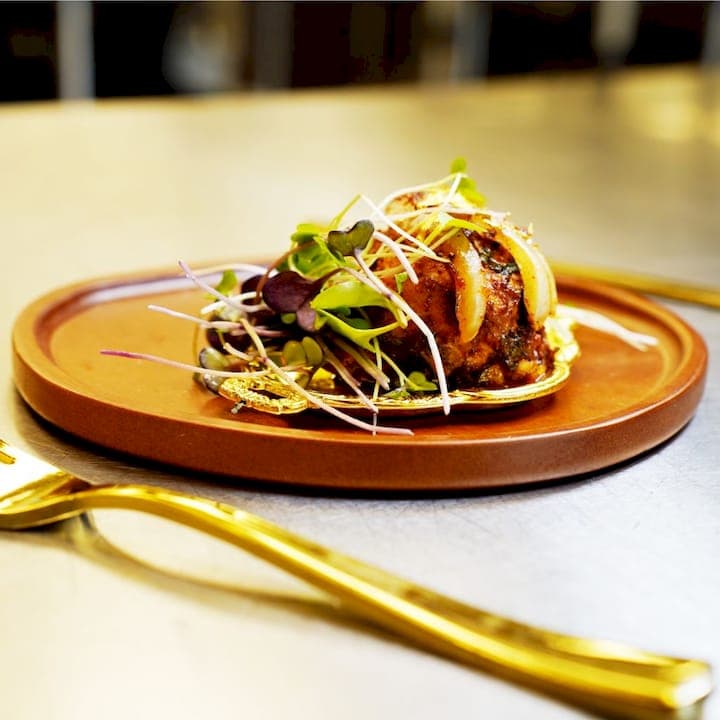
International cuisine for private dining is defined as a curated selection of culturally distinct dishes, adapted for intimate or exclusive settings to create a memorable, personalised culinary event. The best international cuisine examples for private dining go beyond simply serving foreign food. They weave cultural storytelling, seasonal ingredients, and considered presentation into a cohesive experience that guests carry with them long after the meal ends. Whether you are planning an anniversary dinner, a villa celebration, or an exclusive gathering in Andalusia, the right world cuisine menu transforms the occasion entirely.
Top international cuisine examples for private dining events
The most compelling private dining options draw from cuisines with strong sensory identities, clear cultural narratives, and natural adaptability to intimate service formats. Each of the following represents a distinct flavour world, well suited to bespoke menus and small guest counts.
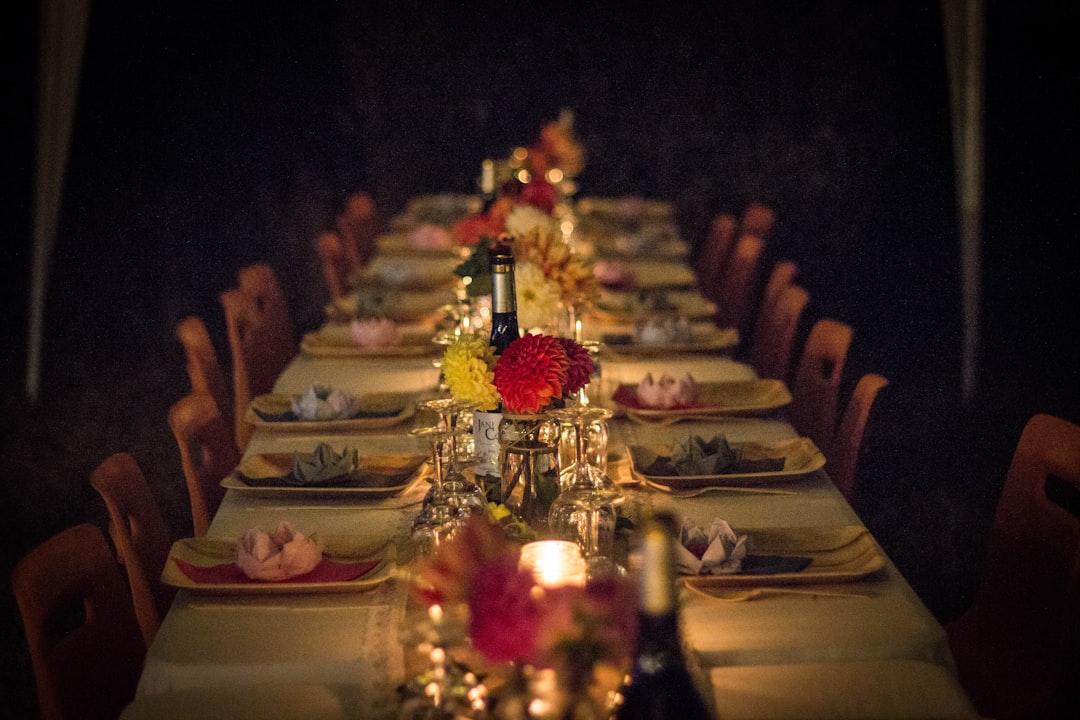
Mediterranean cuisine
Mediterranean gastronomy is built on fresh, local ingredients, olive oil, and the philosophy that simplicity done well is the highest form of cooking. For private dining, it translates beautifully into shared mezze spreads, wood-roasted fish, and slow-braised lamb with herbs. The Spanish gastronomy tradition sits firmly within this family, offering guests a sense of place alongside every course.
Key dishes and flavour notes:
-
Grilled octopus with smoked paprika and lemon
-
Slow-roasted lamb shoulder with rosemary and garlic
-
Burrata with heritage tomatoes and aged balsamic
-
Saffron-scented seafood rice
Japanese cuisine
Japanese fine dining cuisine is defined by restraint, precision, and the concept of umami, the deep savoury quality found in ingredients like miso, dashi, and aged soy. For private events, an omakase-style menu, where the chef selects each course, creates an intimate and theatrical experience. The progression from delicate sashimi to rich wagyu creates a natural arc across the meal.
Key dishes and flavour notes:
-
Tuna tataki with ponzu and micro herbs
-
Wagyu beef with truffle and yuzu kosho
-
Black sesame panna cotta
-
Miso-glazed aubergine
Indian cuisine
Indian gastronomy offers one of the richest spice palettes in the world, making it a bold and memorable choice for cultural food experiences. A private Indian menu works best when it moves through distinct regional styles, from the coastal coconut curries of Kerala to the smoky tandoor dishes of the north. Guests who may associate Indian food with casual dining are consistently surprised by its elegance at a private table.
Key dishes and flavour notes:
-
Tandoori sea bass with mint chutney
-
Lamb rogan josh with saffron rice
-
Paneer tikka with pomegranate raita
-
Cardamom and rose water kulfi
Mexican cuisine
Mexican cuisine is far more nuanced than its casual reputation suggests. At a private dining level, it draws on ancient techniques such as nixtamalisation, slow mole preparation, and wood-fire cooking to produce dishes of genuine depth and complexity. The contrast of smoky, acidic, and sweet flavours makes it one of the most exciting international meal ideas for guests seeking something unexpected.
Key dishes and flavour notes:
-
Slow-cooked short rib with dark mole and pickled jalapeño
-
Ceviche with tiger’s milk and crispy tostada
-
Roasted corn with chipotle crema and cotija
-
Dark chocolate and chilli tart
Middle Eastern cuisine
Middle Eastern gastronomy centres on aromatic spices, charred meats, and the generous hospitality of shared plates. For private events, a Lebanese or Persian-inspired menu creates warmth and abundance without sacrificing refinement. The combination of floral, smoky, and tangy notes makes it one of the most sensory-rich exclusive dining themes available.
Key dishes and flavour notes:
-
Slow-roasted lamb with pomegranate molasses and pistachio
-
Fattoush with sumac-dressed heritage leaves
-
Charred aubergine with tahini and pomegranate
-
Rosewater and cardamom rice pudding
Pro Tip: Match your cuisine choice to the setting and season. Mediterranean and Middle Eastern menus suit warm outdoor villa dinners beautifully, while Japanese and Indian menus feel naturally at home in intimate indoor spaces where aromas can build throughout the evening.
How fusion cuisine enhances private dining experiences
Fusion cuisine is defined as the intentional blending of culinary traditions from two or more cultures to create dishes that are coherent, balanced, and greater than the sum of their parts. In private dining, fusion menus offer a way to personalise the experience for guests with diverse tastes or dietary backgrounds, without sacrificing culinary integrity.
Effective fusion menus combine cuisines such as Indian-American or Korean-Mexican into harmonious, cohesive dishes rather than disjointed courses. Popular examples include tandoori chicken tacos, miso risotto, and Korean barbecue with French sauce reductions. The key is aromatic compatibility: pairing ingredients that share underlying flavour compounds rather than simply placing two national flags on the same plate.
“Successful fusion menus avoid competing flavours by seeking shared aromatic or textural qualities. Menus that feel intentional create delightful, unexpected pairings that maintain recognisable culinary quality.”
Planning a fusion menu for a private event requires a clear process:
-
Define the two anchor cuisines. Choose traditions with complementary flavour profiles, such as Japanese and Peruvian (Nikkei cuisine) or Spanish and North African.
-
Identify shared ingredients. Find the common ground: citrus, umami, smoke, or fermentation are frequent bridges.
-
Design around one hero dish. Build the menu so that one standout fusion course anchors the experience and the other courses support it.
-
Accommodate dietary needs early. Managing dietary requirements within a fusion menu is straightforward when planned from the start, not added as an afterthought.
-
Test for balance. A fusion menu should feel like one coherent meal, not a tasting tour of two separate restaurants.
Private chefs achieve the best results by applying bold, culturally distinct ingredients to familiar foundations, delighting guests with unexpected yet approachable pairings. This approach keeps guests engaged without alienating those with more conservative palates.
Experiential and storytelling-driven global dining experiences
Experiential dining is the practice of pairing food with art, narrative, or technology to create a multi-sensory event that guests remember as a whole experience rather than a sequence of courses. For private dining, this approach transforms a meal into a genuine occasion.
Dineamation, one of the most recognised immersive dining concepts, translates great paintings into multi-course meals using projection mapping across seven courses. It is active in over 40 cities worldwide and runs for roughly 2.5 hours. The concept demonstrates how art-inspired dining increases memorability by pairing visuals with taste at every stage of the meal.
For private events, you do not need a full production team to achieve this effect. Consider these approaches:
-
A menu built around a single country’s culinary history, with each course representing a different era or region
-
A chef’s table format where the cook narrates each dish as it arrives, explaining the cultural origin and technique
-
Scent and texture pairings that reinforce the cuisine’s identity, such as serving a Moroccan course with warm argan oil and cedar-scented candles
-
A hand-written menu card for each guest that tells the story of the evening’s culinary journey
Pro Tip: Book experiential private dining at least two weeks in advance. Complex multi-course storytelling menus require ingredient sourcing, rehearsal, and coordination that cannot be compressed into a few days.
Private dining logistics and space considerations
Matching your cuisine choice to the right space and service format is as important as the menu itself. Private dining venues are typically categorised by size and function, each with distinct staffing and AV requirements.
| Space type | Guest capacity | Best cuisine style | Service format |
|---|---|---|---|
| Intimate room | Under 15 guests | Japanese, French, Mediterranean | Plated tasting menu |
| VIP private space | 20–50 guests | Indian, Middle Eastern, fusion | Family-style or interactive stations |
| Full venue buyout | 100+ guests | Mexican, Mediterranean, fusion | Buffet or multi-station |
| Private villa or outdoor | 6–30 guests | Mediterranean, Spanish, Middle Eastern | Plated or shared plates |
Fusion menus benefit from interactive chef stations and family-style service formats, which help guests engage with the meal and accommodate diverse palates. Plated tasting menus suit cuisines where the sequence and presentation carry the narrative, such as Japanese or French-inspired menus.
Premium private dining experiences typically require a minimum three-day lead time to source ingredients and coordinate staff. Eight-course tasting menus with beverage pairings often have guest limits of 2–12 people. Plan your booking window accordingly, especially for bespoke international menus that require specialist ingredients.
Kitchen infrastructure also matters. Experiential or fusion menus may require induction hobs, specialist equipment, or AV systems for projection. Confirm these details with your chef or venue well before the event date.
Key takeaways
The most successful international private dining events combine a cuisine with strong cultural identity, a service format matched to the space, and a menu planned with enough lead time to source quality ingredients.
| Point | Details |
|---|---|
| Choose cuisine by setting | Mediterranean and Middle Eastern suit outdoor villas; Japanese and Indian suit intimate indoor spaces. |
| Fusion requires intention | Pair cuisines with shared aromatic profiles, not random combinations, for a coherent menu. |
| Book with lead time | Premium multi-course menus need at least three days’ notice; experiential events need two weeks or more. |
| Match service to guest count | Plated menus suit under 15 guests; interactive stations work best for groups of 20 or more. |
| Storytelling adds value | Menus with cultural narrative and sensory detail create experiences guests remember far longer. |
What I have learned from designing international menus for private events
The question I am asked most often is: “Which cuisine works best for a private dinner?” My honest answer is that the cuisine matters less than the intention behind it.
I have cooked Mediterranean, French, Spanish, and fusion menus for private villas across Andalusia, and the evenings that guests remember most are never defined by the nationality of the food. They are defined by whether the menu felt personal, whether the flavours told a story, and whether the guest felt that someone had genuinely thought about them when designing each course.
The trend I find most rewarding is the shift toward cultural storytelling. Guests no longer want a generic “world cuisine menu.” They want to understand why a dish exists, where it comes from, and what it means. A single slow-roasted lamb dish becomes extraordinary when the chef explains the Moroccan spice blend, the origin of the preserved lemon, and the reason the dish is traditionally served at celebrations.
My advice for anyone planning a private dining event is to resist the temptation to play it safe. A well-executed Japanese or Indian menu at a private villa in southern Spain is far more memorable than a predictable selection of crowd-pleasers. Guests rise to the occasion when the food does.
— Joseph
Thesensorychef: bespoke international menus for private events
Thesensorychef brings over 13 years of professional culinary experience to every private dining event, with deep expertise in Mediterranean, Spanish, French, and international gastronomy. Every menu is designed around your guests, your setting, and the occasion.
Whether you are planning an anniversary dinner, a villa celebration, or an exclusive gathering for close friends, Thesensorychef creates a bespoke private dining experience that reflects your tastes and tells a story worth remembering. Dietary requirements, allergies, and personal preferences are built into every menu from the first conversation. To begin planning your event, visit the seaside private dining booking page or get in touch directly to discuss your vision.
FAQ
What are the best international cuisines for a private dinner?
Mediterranean, Japanese, Indian, and Middle Eastern cuisines are among the most popular choices for private dining events. Each offers a strong sensory identity, natural adaptability to intimate settings, and clear cultural storytelling.
How far in advance should I book a private international dining experience?
Premium multi-course menus require a minimum of three days’ notice, while experiential or fusion events with specialist ingredients benefit from two weeks or more of planning time.
What is fusion cuisine in a private dining context?
Fusion cuisine combines two culinary traditions into cohesive dishes built around shared aromatic or textural qualities. Examples include miso risotto and tandoori chicken tacos, where the pairing feels intentional rather than arbitrary.
How do I match a cuisine to my private dining space?
Plated tasting menus suit intimate rooms of under 15 guests, while interactive stations and family-style service work best for groups of 20 or more. Outdoor villa settings pair naturally with Mediterranean and Middle Eastern menus.
Can dietary requirements be accommodated in international private menus?
Yes. A skilled private chef accommodates dietary needs by designing the menu around restrictions from the outset, rather than modifying dishes after the fact. This approach preserves the integrity of the cuisine while ensuring every guest is catered for.