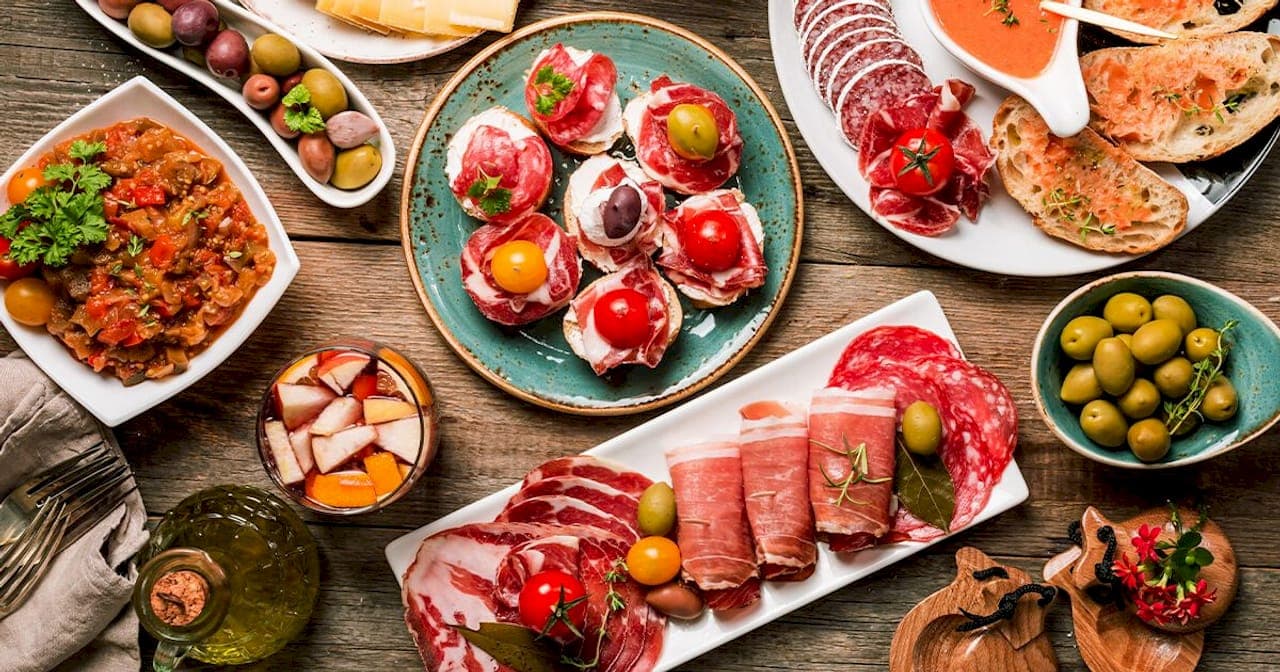
Spanish gastronomy, defined as the culinary tradition rooted in Spain’s regional ingredients, techniques, and shared dining culture, is the most socially engaging food style you can choose for a private event. The best spanish gastronomy examples private events can draw on range from communal tapas spreads and live paella showcooking to thematic multi-regional menus that weave together Andalusian, Catalan, and Basque influences. Each format creates a distinct atmosphere, suits a different group size, and delivers a sensory experience that guests remember long after the evening ends. Thesensorychef has spent over 13 years refining exactly these experiences across Granada and Andalusia.
1. Traditional Spanish tapas spreads for small to medium private gatherings
A tapas spread is the most versatile Spanish dining format for private events. It encourages sharing, conversation, and grazing at a natural pace, which makes it ideal for groups where guests arrive at different times or have varied appetites.
Classic dishes that work well in this format include:
-
Patatas bravas with smoky paprika sauce or aioli
-
Gambas al ajillo (prawns in garlic and olive oil, served sizzling)
-
Croquetas de jamón with a crisp breadcrumb shell and creamy filling
-
Pan con tomate on toasted sourdough with ripe tomato and good olive oil
-
Boquerones en vinagre (white anchovies marinated in vinegar and herbs)
-
Pimientos de Padrón blistered in a hot pan with sea salt
Serving style shapes the entire feel of the event. Family-style platters placed at the centre of the table create warmth and informality. Dedicated tapas stations work well for standing receptions, where guests move freely between dishes. Plated individual tapas suit more formal seated occasions where presentation is a priority.
Shared dining formats such as communal tapas journeys support social interaction and make dietary accommodation straightforward. That flexibility is one of the strongest practical arguments for choosing tapas over a fixed plated menu.
Pro Tip: Plan at least six distinct tapas dishes for a group of eight to twelve guests. Variety across protein, vegetable, and bread-based dishes prevents palate fatigue and gives every guest something they love.
2. Paella-centred celebrations and live showcooking experiences
Live paella showcooking is the single most theatrical Spanish dining format available for private events. A chef prepares the dish in front of guests on a large traditional pan, and the aroma of saffron, smoked paprika, and sofrito builds anticipation throughout the cooking process.
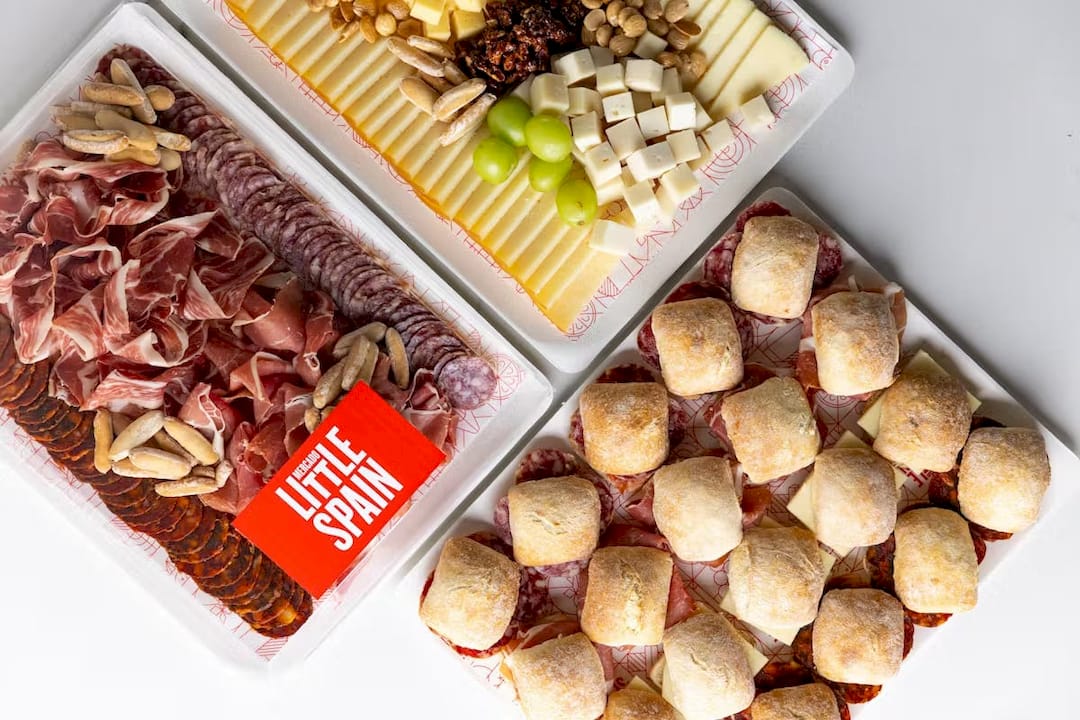
Showcooking paella services can effectively cater to groups of up to 100 guests while maintaining food quality and event rhythm. That scale makes it one of the few Spanish formats that works equally well for an intimate villa dinner and a large outdoor celebration.
Regional variants give you genuine choice:
-
Valencian paella with rabbit, chicken, and green beans (the original)
-
Seafood paella with prawns, mussels, clams, and squid
-
Mixed paella combining meat and seafood for broader appeal
-
Vegetable paella with artichoke, peppers, and seasonal produce for plant-based guests
Logistically, live showcooking requires outdoor or well-ventilated space, a flat surface for the burner, and at least one support member to manage plating and service. Build the showcooking moment into the middle of your event programme so guests gather naturally around the chef.
Pro Tip: Ask your chef to narrate the paella process briefly as they cook. Guests who understand what they are watching become more engaged, and the explanation adds genuine cultural depth to the experience.
3. Thematic and multi-regional Spanish menus for a sensory experience
A multi-regional Spanish menu is the most effective way to showcase the full breadth of Spain’s culinary identity at a private event. Single-region menus limit flavour diversity. A curated selection across Andalusia, the Basque Country, Catalonia, and Valencia tells a richer story and gives guests a genuine education in Spanish food culture.
A well-structured thematic menu might open with Andalusian cold soups such as salmorejo or gazpacho, move through Basque-inspired pintxos, and close with a Catalan crema catalana or a Valencian orange tart. Thematic additions from Mediterranean, Asian, or Latin American traditions can complement the Spanish core without diluting it, provided the Spanish dishes remain the anchor.
“Signature private events become sensory journeys that combine traditional Spanish cuisine with international influences and interactive showcooking. The meal itself becomes the entertainment, and guests leave with a memory tied to flavour, aroma, and the pleasure of discovery.”
Showcooking stations placed at different points in the venue reinforce the regional theme. Guests move between a paella station, a charcuterie and cheese display, and a dessert table, each representing a different corner of Spain. This format suits formal milestone celebrations, corporate private dinners, and anniversary events where the host wants the food to feel considered and curated.
4. Venues and dining configurations suited to Spanish private events
The physical setup of your event shapes how guests experience Spanish food. Round tables encourage conversation and work best for intimate groups. Rectangular family-style tables suit larger gatherings where shared platters are the main service format.
Private dining spaces for Spanish-style events typically host 8–24 guests, with configuration varying by group size and service style.
| Group size | Table style | Recommended format |
|---|---|---|
| 8–12 guests | Round tables | Plated tapas or intimate tasting menu |
| 16–24 guests | Rectangular, family-style | Shared platters, paella, mixed tapas |
| Up to 18 guests | Standing reception | Canapé-style tapas, pintxos, drinks |
| Up to 100 guests | Outdoor or large venue | Live showcooking paella |
Standing receptions in private Spanish-themed dining spaces accommodate up to 18 guests with full private facilities and dedicated staff. This format works particularly well for pre-dinner drinks events or celebrations where guests prefer to mingle rather than sit.
Venue facilities matter as much as the food itself. A kitchen with adequate prep space, outdoor access for live cooking, and good lighting for presentation all contribute to the quality of the experience.
5. How to personalise Spanish gastronomy for private celebrations
Personalisation is what separates a good private dining event from an exceptional one. A bespoke menu built around your guests’ tastes, dietary needs, and the occasion itself creates a sense of care that no standard catering package can replicate.
Effective personalisation includes:
-
Dietary adaptations: gluten-free croquetas, vegan paella, or dairy-free desserts prepared with the same attention as the standard menu
-
Regional connections: if your guests have a link to a specific Spanish region, anchoring the menu there adds genuine meaning
-
Occasion-specific touches: a birthday might call for a showpiece dessert; an anniversary might feature a dish from the couple’s first trip to Spain
-
Ingredient sourcing: using local Andalusian produce, such as Jaén olive oil or Alpujarra charcuterie, grounds the menu in place and season
Personalised menu creation works best when the host and chef discuss the event style, guest profile, and any meaningful food memories before the menu is finalised. That conversation turns a list of dishes into a considered narrative.
Premium private dining services handle full logistics from setup to cleanup, freeing the host to be present with their guests rather than managing the event. That freedom is often the most valuable thing a professional chef brings to a private celebration.
Pro Tip: Share any food memories or meaningful dishes with your chef during the planning stage. A skilled chef can translate personal stories into flavour, and that connection makes the meal feel genuinely yours.
Key takeaways
Authentic Spanish gastronomy for private events works best when it combines regional diversity, shared dining formats, and personalised menus tailored to the occasion and the guests.
| Point | Details |
|---|---|
| Tapas suit most group sizes | Six or more dishes for 8–12 guests creates variety and accommodates dietary needs naturally. |
| Live paella scales to 100 guests | Showcooking paella is the most theatrical format and works for both intimate and large events. |
| Multi-regional menus add depth | Drawing from Andalusia, the Basque Country, and Catalonia showcases Spain’s full culinary range. |
| Configuration shapes experience | Round tables for 8–12 guests and family-style setups for 16–24 guests optimise the dining atmosphere. |
| Personalisation defines quality | Bespoke menus built around guest tastes and occasion details elevate private events above standard catering. |
What I have learned from years of Spanish private dining
The most common mistake I see hosts make is treating Spanish food as a backdrop rather than the main event. They choose tapas because it feels easy, then underinvest in the variety and quality that makes a tapas spread genuinely memorable. A plate of cold croquetas and a bowl of olives is not a Spanish dining experience. It is a missed opportunity.
What actually works is treating the meal as a structured narrative. You open with something light and bright, perhaps a cold Andalusian soup or a simple pan con tomate. You build through the middle with richer, more complex dishes. You close with something sweet and considered. That arc gives guests a sense of progression, and it mirrors the way Spanish people actually eat at celebrations.
The sensory approach to private dining I have developed over 13 years focuses on flavour, texture, aroma, and presentation working together. As a deaf chef, I rely on those four elements more consciously than most. That focus produces food that guests do not just taste but genuinely experience.
Regional diversity is the other factor most planners underestimate. Spain is not one cuisine. It is dozens of distinct culinary traditions sharing a border. A menu that draws from the Basque Country, Andalusia, and Valencia in a single evening gives guests something they cannot get from a restaurant. It gives them a country.
— Joseph
Bring authentic Spanish gastronomy to your next private event
Planning a private event in Spain and want food that genuinely reflects the country’s culinary depth? Thesensorychef creates fully bespoke private dining experiences across Granada and Andalusia, from intimate tapas evenings for eight guests to live showcooking celebrations for larger groups.
Every menu is built around your occasion, your guests, and the flavours that matter to you. Thesensorychef manages the full event from setup through to service, so you can be present with the people you have invited rather than managing the kitchen. For a signature sensory experience that combines multi-regional Spanish cuisine with professional event service, get in touch to discuss your event.
FAQ
What are the best Spanish dishes for a private event?
Tapas assortments, live paella, and cold Andalusian soups such as salmorejo are the most effective Spanish dishes for private events. They suit shared dining formats and adapt easily to dietary requirements.
How many guests can a Spanish showcooking paella serve?
Live showcooking paella can cater to groups of up to 100 guests while maintaining food quality and event flow. Smaller groups of 8–24 guests benefit most from the interactive and theatrical elements.
What table setup works best for Spanish private dining?
Round tables suit intimate groups of 8–12 guests, while rectangular family-style tables work best for 16–24 guests sharing platters. Standing receptions with canapé-style tapas accommodate up to 18 guests comfortably.
How do I personalise a Spanish menu for a private celebration?
Share your guests’ dietary needs, any regional connections to Spain, and the occasion’s significance with your chef before the menu is finalised. A skilled chef translates those details into dishes that feel specific to your event.
Can Spanish gastronomy accommodate vegetarian and vegan guests?
Spanish cuisine adapts well to plant-based requirements. Vegetable paella, pan con tomate, pimientos de Padrón, and cold soups are naturally vegan, and most tapas dishes have straightforward vegetarian alternatives.