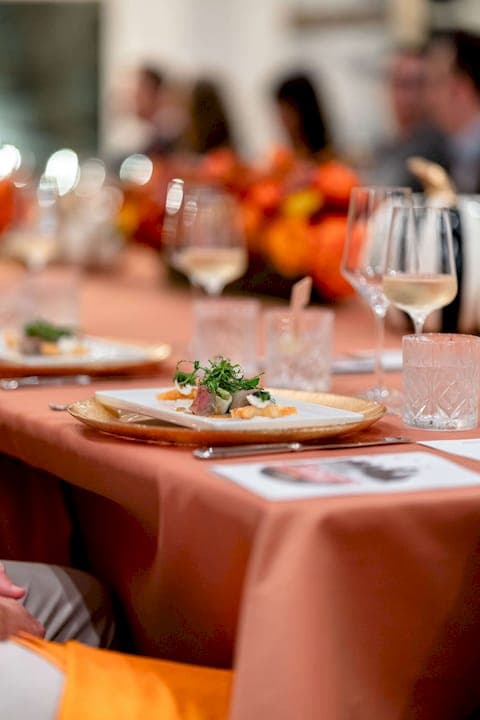
A private chef service on holiday is defined as a fully managed, in-home dining experience where a professional chef handles menu planning, ingredient sourcing, cooking, serving, and cleanup at your villa or rental property. The service removes every logistical burden from the host, leaving guests free to enjoy their time together. Thesensorychef, founded by Joseph Warner with over 13 years of professional culinary experience, specialises in exactly this kind of bespoke private dining across Granada and Andalusia. Understanding how private chef service works on holiday is the first step to deciding whether it suits your group.
How does booking a private chef for a holiday usually work?
The private chef booking process generally follows five steps: inquiry, customised proposals, chef selection, reservation confirmation, and service execution. Each stage builds on the last, so the more detail you provide early, the smoother every subsequent step becomes.
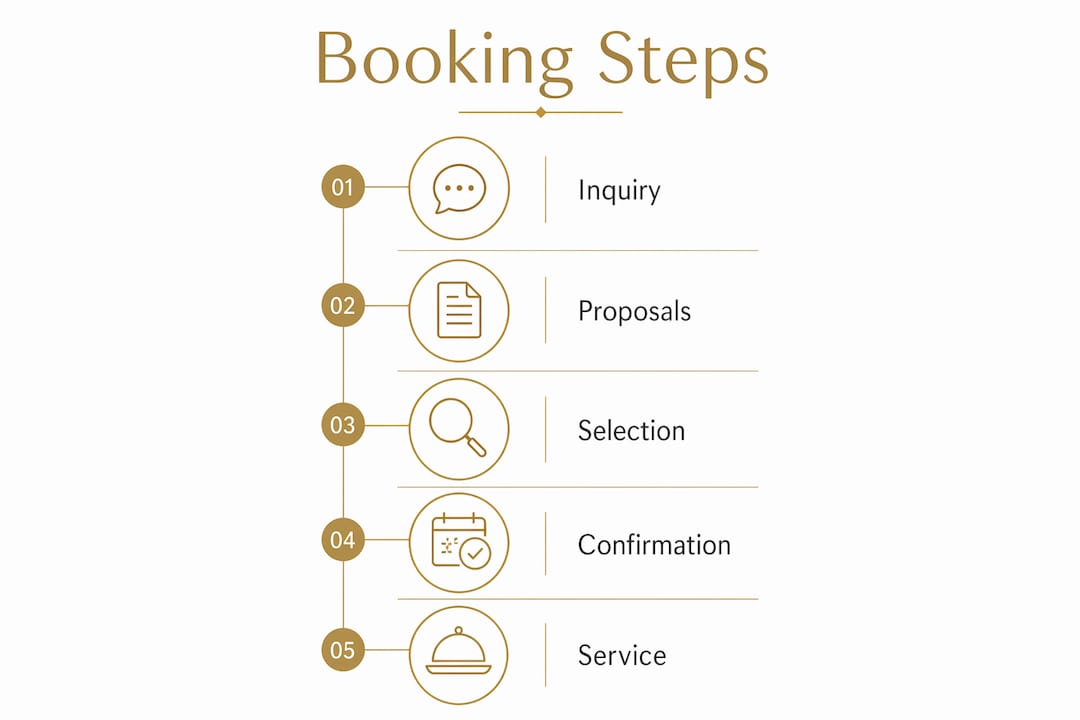
1. Inquiry. You contact the chef or service with your dates, group size, location, and any known dietary requirements. The more specific you are here, the faster a relevant proposal arrives.

2. Customised proposals. The chef presents menu options tailored to your group’s tastes, the season, and the local produce available. At Thesensorychef, menus draw on French gastronomy alongside Spanish, Mediterranean, and Italian influences, so proposals reflect genuine culinary range rather than a fixed template.
3. Chef selection and confirmation. You review the proposal, request adjustments, and confirm your booking with a deposit. Lead times vary by service scope. A single dinner may need only a few days’ notice, while a full-week arrangement benefits from two to four weeks of advance planning to allow proper dietary consultation and ingredient sourcing.
4. Pre-service logistics. Before arrival, the chef will ask for property details: kitchen layout, available equipment, fridge capacity, and the number of guests. Kitchen walkthroughs and information sharing prevent service disruption, because rental kitchens vary enormously in what they offer.
5. Service execution. The chef arrives, sets up, cooks, serves, and leaves the kitchen clean. Booking options range from a single celebratory meal to full-week service, with pricing aligned to service scope, groceries, labour, and any applicable surcharges.
Pro Tip: Share your villa’s kitchen photos with the chef before confirming. A quick look at hob type, oven size, and worktop space can prevent last-minute menu changes on the day.
Gratuity is a separate budget line. Standard tipping for private chefs runs at 18–22% of the labour cost for single meals and 20–25% for full-week bookings. Factor this in when comparing the total cost against dining out.
Is a private chef more cost-effective than restaurants for holiday groups?
For groups of six or more, in-villa dining frequently costs less than the equivalent restaurant experience once you account for meal prices, taxes, service charges, and transport. The saving is not always obvious at first glance, because the chef’s labour fee sits visibly at the top of the invoice. The restaurant’s markups, by contrast, are buried inside menu prices.
The experiential benefits compound the financial case. Dining in your villa means no waiting for a table, no fixed reservation time, and no need to coordinate taxis for a group of eight after a long day in the sun. The meal happens when your group is ready, not when a restaurant can accommodate you.
Alcohol is another area where the numbers shift decisively in favour of private dining. Buying your own drinks avoids restaurant markups entirely, which can be substantial on wine and spirits. A group that brings a case of local wine to the villa spends a fraction of what the same bottles would cost on a restaurant wine list.
The personalisation factor is harder to price but easy to feel. A restaurant cannot adapt its menu in real time to a guest who discovers a new allergy, a child who refuses anything green, or a couple celebrating an anniversary who want a specific dish from their first holiday together. A private chef can do all three simultaneously.
What logistics and property considerations affect the service?
The operational success of a private chef service depends on addressing property details, dietary needs, and staffing requirements before the chef arrives. Leaving these conversations until the day of service creates unnecessary pressure for everyone.
Kitchen infrastructure is the most common practical constraint. Rental properties range from fully equipped professional kitchens to holiday flats with a two-ring induction hob and a half-size fridge. Most vacation rental kitchens lack uniform infrastructure, which means chefs must adapt menus and preparation plans to what is actually available. Sharing photos and a brief equipment list before arrival solves this before it becomes a problem.
Beyond the kitchen itself, consider how your group uses the property throughout the day. A family that spends all day at the villa needs snacks, children’s lunches, and a full evening dinner. A group that is out exploring until 7:00 PM needs only an evening service. Holiday dining logistics encompass snack preparation, children’s meals, meal rhythm, and kitchen reset, making the chef’s role operationally complex well beyond the act of cooking.
Key logistics to confirm before service begins:
-
Guest count and ages, including children who may need separate timings or simpler dishes
-
Dietary requirements and allergies, communicated in writing so the chef can source appropriate ingredients
-
Meal schedule, including whether breakfast, lunch, or snacks are included alongside dinner
-
Kitchen reset expectations, particularly for multi-day bookings where the chef returns each day
-
Access arrangements, so the chef can arrive, unload, and set up without disrupting the group
Pro Tip: For groups of eight or more, ask whether the chef works with a kitchen assistant. Larger groups benefit from support staff for plating and service, which keeps the meal flowing without pressure on a single person.
How do private chefs transform the holiday dining experience?
A private chef transforms the holiday dining experience by removing the friction that typically surrounds group meals and replacing it with ease, flavour, and genuine occasion. The difference is felt most clearly on the first evening, when a group that might otherwise have spent an hour debating restaurants simply sits down to a beautifully plated meal in their own space.
“Private chefs eliminate dining friction, allowing holidays to flow naturally around group energy rather than restaurant schedules. The meal becomes part of the holiday rhythm rather than a logistical challenge to solve each day.”
Private chefs source ingredients locally, building menus around fresh, seasonal produce aligned with each guest’s preferences and dietary needs. This is not a minor detail. A chef who visits the local market that morning and returns with the day’s best fish, vegetables, and herbs produces food that no fixed restaurant menu can match for freshness or relevance to place.
Flexibility is the other defining quality. Private chefs accommodate complex schedules and group needs, enabling separate dining times for adults and children without disruption. A family with young children can have the kids fed and settled by 6:30 PM while the adults enjoy a leisurely multi-course dinner at 8:00 PM. No restaurant offers that.
The experience can extend beyond meals entirely. Thesensorychef offers opportunities for private culinary experiences including cooking classes and market tours, turning the act of eating into something guests actively participate in and remember long after the holiday ends. For families, this kind of shared activity creates a different quality of memory than another evening at a restaurant.
The benefits in brief:
-
Menus adapted for children, allergies, and personal preferences at every meal
-
Flexible timing that suits the group’s natural rhythm rather than fixed sittings
-
Fresh, locally sourced ingredients procured through the chef’s own market knowledge and relationships
-
Optional culinary experiences that extend the value of the service beyond dining
-
Complete cleanup after every service, leaving the kitchen ready for the next day
Key takeaways
A private chef service on holiday delivers the most value when logistics are agreed in advance, the group is six or more, and the chef has full information about the property, dietary needs, and meal schedule.
| Point | Details |
|---|---|
| Five-step booking process | Inquiry, proposals, selection, confirmation, and execution form the standard workflow for hiring a private chef. |
| Cost-effective for groups | Groups of six or more often spend less on in-villa dining than on equivalent restaurant meals with taxes, tips, and transport. |
| Kitchen details matter | Share photos and equipment lists before arrival to prevent menu changes caused by inconsistent rental kitchens. |
| Flexibility defines the experience | Private chefs adapt meal timing, menus, and service to suit children, dietary needs, and the group’s natural holiday rhythm. |
| Budget for gratuity separately | Tipping norms run at 18–22% of labour for single meals and 20–25% for full-week bookings. |
What I have learned from years of private holiday dining
The moment that stays with me most consistently is not the food itself. It is the shift in atmosphere that happens about twenty minutes into the first service. Guests who arrived tense from travelling, from coordinating a large group, from the low-level anxiety of a new place, simply relax. Someone pours a glass of wine. Someone else laughs. The holiday actually begins.
Restaurants cannot produce that shift, because they require the group to perform. You dress for them, travel to them, wait for them, and adapt to their schedule. A private chef inverts that entirely. The service comes to you, on your terms, in a space where you are already comfortable.
What I have found matters most in practice is communication before arrival, not culinary ambition on the day. The clients who share their kitchen details, their dietary notes, and their meal timing preferences in advance always have the best experience. The ones who leave those conversations until the chef is standing in the kitchen create pressure that affects the quality of the meal, however skilled the chef.
The trend towards private chefs for holiday gatherings is not about luxury for its own sake. It is about reclaiming time. A group that does not spend an hour each evening deciding where to eat, travelling there, and waiting for a table gains something genuinely valuable: more of the holiday itself. That is the case I make to every client, and it is the one that resonates most.
For anyone considering a private culinary event for their next gathering, the question is not whether you can afford a private chef. It is whether you can afford to spend your holiday doing anything else.
— Joseph
Thesensorychef: bespoke private dining for your holiday
Thesensorychef brings over 13 years of professional culinary experience to private villa dining, family celebrations, anniversaries, and exclusive events across Granada and Andalusia. Every service is built around your group’s tastes, dietary requirements, and occasion, from a single celebratory dinner to a full week of in-villa dining.
Joseph’s unique sensory approach to gastronomy, developed through classical French training and refined across Spanish, Mediterranean, and Italian cuisine, means every menu is crafted with attention to flavour, texture, aroma, and presentation. Whether you are planning a family gathering or an intimate anniversary dinner, Thesensorychef tailors each experience to the people at the table. Explore the full range of private dining experiences or book your bespoke service directly through the website.
FAQ
What does a private chef service on holiday include?
A private chef service typically includes menu planning, ingredient sourcing, cooking, serving, and full kitchen cleanup. Some services also offer breakfast, children’s meals, snack preparation, and optional culinary experiences such as cooking classes.
How far in advance should I book a private chef for a holiday?
A single dinner may need only a few days’ notice, but a full-week service benefits from two to four weeks of advance booking. Early booking allows time for dietary consultation, menu planning, and ingredient sourcing.
Is a private chef worth it for a group holiday?
For groups of six or more, in-villa dining is often cost-competitive with restaurant dining once you factor in taxes, service charges, and transport. The added benefits of flexibility, personalisation, and no travel make the value case strong.
How much should I tip a private chef?
Standard gratuity runs at 18–22% of the labour cost for a single meal and 20–25% for a full-week booking. Budget for this separately when calculating the total cost of the service.
What kitchen information does a private chef need before arriving?
The chef needs details on hob type, oven size, fridge capacity, available utensils, and worktop space. Sharing photos in advance prevents last-minute menu adjustments caused by equipment gaps in rental properties.