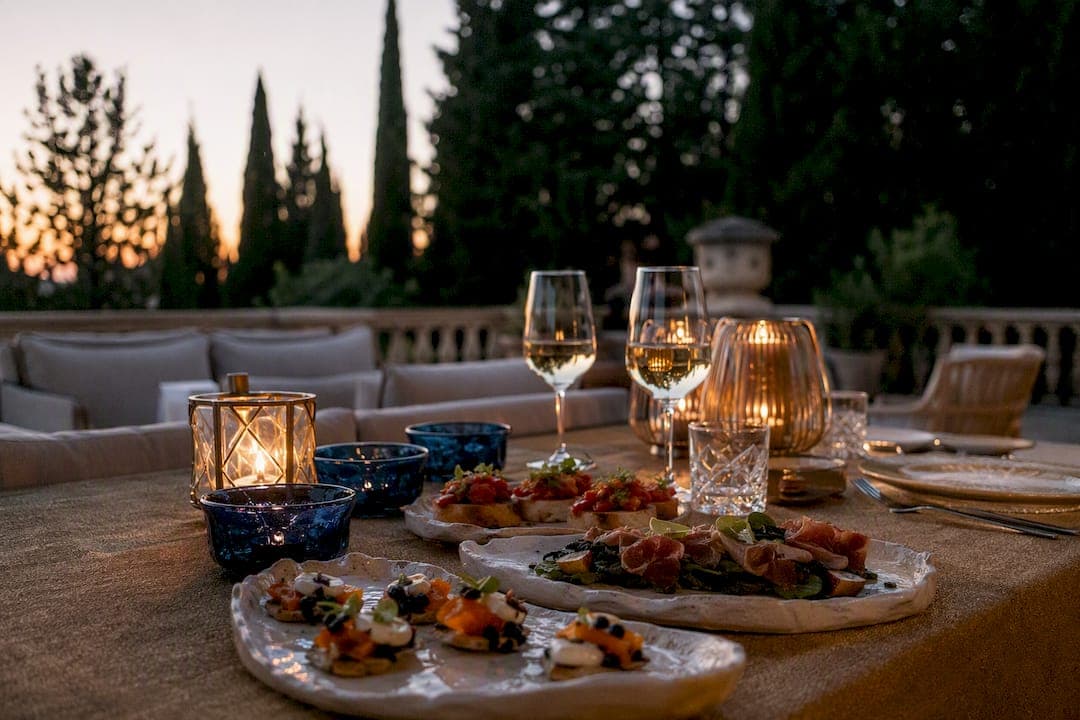
The safest approach to any gluten-free menu examples private events call for, is simple: offer a fully gluten-free menu rather than a mixed one, or insist on a written segregation plan if some guests are eating gluten and others cannot.
- A single gluten-free menu removes the risk of a server mixing up plates during service.
- Written kitchen procedures give you something to check before the event, not after someone reacts to it.
If you're briefing a caterer or private chef this week, ask for their allergen declaration and prep-area setup on the first call. Everything below shows you what to ask for, and what a genuinely well-designed gluten-free menu looks like on the plate.
Key Takeaways
A fully gluten-free menu, or a written segregation plan with dedicated prep areas, is the safest route for any private event with coeliac or gluten-sensitive guests.
| Point | Details |
|---|---|
| Choose one clear approach | Serve a fully gluten-free menu, or require documented segregation if guests have mixed diets. |
| Use the four sample formats | Canapé, plated three-course, buffet station and vegetarian tasting menus each need different portioning and staffing. |
| Book with a written checklist | Confirm allergen declarations, staff training and separate prep areas before signing, ideally three to four weeks ahead. |
| Watch hidden gluten sources | Soy sauce, beer batter, pre-mixed spice blends and glazes cause more reactions than obvious bread or pasta. |
| Consider a private chef | The Sensory Chef designs gluten-free menus from a single kitchen with full control, rather than splitting prep across multiple stations. |
Useful sources for planning your gluten-free event
- Private Chef Menu Ideas: shows how private chefs adapt menus for gluten-free needs.
- Catering menu ideas: a broad list of naturally gluten-free dishes and stations.
- How dietary preferences are communicated to your chef: sample wording for briefing a chef.
- Private Chef Granada Menus: concrete villa-event menus to adapt.
Table of Contents
- Four gluten-free menu examples for private events
- What should you ask before booking a gluten-free caterer?
- How do you prevent cross-contamination at a gluten-free event?
- Ingredient swaps that keep gluten-free dishes tasting right
- Book a gluten-free private dining experience
- FAQ
Four gluten-free menu examples for private events
Private chefs already build gluten-free adaptation into their standard planning process, which is why bespoke menus tend to handle it more gracefully than large-scale catering. These four formats cover most private events, from a relaxed villa gathering to a formal seated dinner.
Menu A: canapé reception
Serve six to eight passed canapés, two to three pieces per guest per hour. Think seared scallop on a gluten-free corn crisp, jamón-wrapped melon, and a chickpea socca topped with whipped goat's cheese. Keep one or two items stationary (olives, marinated anchovies) so guests can graze without waiting on service.
Menu B: seated three-course dinner
- Starter: roasted red pepper and almond soup, finished with a swirl of olive oil (naturally gluten-free, no thickening flour needed).
- Main: pan-seared sea bass with a saffron and fennel broth, served with crushed new potatoes. Allow a moderate portion of fish per guest appropriate for the event.
- Dessert: flourless chocolate torte made with ground almonds instead of flour, paired with a light Rioja or Albariño.
Menu C: buffet and station format
A paella station cooked to order avoids the cross-contact risk of pre-plated rice dishes sitting near bread baskets. Pair it with grain bowls built on quinoa or rice, and a carving station with clearly separated boards, knives and tongs for the gluten-free cuts. Station formats can work safely for coeliac guests only when staff run a dedicated, clearly labelled station rather than sharing utensils across the buffet.

Menu D: vegetarian and vegan tasting menu
Five small courses built around naturally gluten-free ingredients: heritage tomato and basil oil, char-grilled aubergine with tahini, wild mushroom risotto (using certified gluten-free stock), and a coconut panna cotta set with agar rather than gelatine or wheat-based stabilisers. Portion each course at 80 to 100 grams to keep pacing tight across five plates.

Pro Tip: Send your chef a floor plan of the serving area in advance. Knowing where the gluten-free plates leave the pass makes it far easier for staff to track them through to the right table.
For more inspiration drawn from international menus that adapt well to private events, see these complete menu examples.
What should you ask before booking a gluten-free caterer?
Run through this checklist before you sign anything.
- Do you provide a written allergen declaration for every dish, not just a verbal assurance?
- Do your staff train specifically on gluten-free service, or is it covered under general allergy training?
- Do you use separate prep surfaces, utensils and storage for gluten-free ingredients?
- Can you offer a tasting session before the event so I can check texture and flavour, not just the ingredient list?
- What is your lead time for sourcing specialist flours or gluten-free stock, sauces and condiments?
Book bespoke gluten-free menus at least three to four weeks out if the guest list includes multiple dietary requirements, since sourcing certified gluten-free versions of stock, soy sauce and spice blends takes longer than standard ingredients. Confirmed early, requirements shape the menu; asked about late, they force a rushed rewrite, which is exactly the pattern private-chef consultations are built to avoid.
Expect costs to rise slightly where a menu needs dedicated equipment, separate labour hours for a segregated prep station, or imported specialist flours. Watch for red flags: a caterer who can't produce written procedures, gives inconsistent answers about cross-contact between calls, or resists the idea of a separate prep area at all. Copy the five questions above directly into your first email or call script.
How do you prevent cross-contamination at a gluten-free event?
A gluten-free menu is only as safe as the kitchen behind it. Coeliac disease reacts to trace amounts, so "mostly gluten-free" isn't a real category.
Core measures worth verifying: dedicated utensils and chopping boards, separate storage shelves for gluten-free stock, staggered cooking times or separate surfaces, and clear labelling on every dish at the pass. On the service side, staff should check plates against a written list before they leave the kitchen, and any buffet or station should carry visible signage naming what's gluten-free.

Hidden gluten turns up in places hosts rarely think to check: soy sauce, beer-battered anything, pre-mixed spice blends, gravy thickened with flour, and confectionery glazes. Ask specifically about these rather than assuming a sauce is safe because it looks simple.
Pro Tip: Ask your chef to keep a signed prep log for the event day, listing what was prepared where and by whom. It costs nothing and gives you a paper trail if a guest ever asks how their meal was handled.
Ingredient swaps that keep gluten-free dishes tasting right
The difference between a forgettable gluten-free dish and one nobody notices comes down to the swap, not the removal.
- Rice flour and buckwheat give a cleaner crumb than most gluten-free blends for sauces and light batters.
- Chickpea flour adds body to socca, fritters and thickened soups without a starchy aftertaste.
- Xanthan gum or psyllium husk replace the elasticity gluten normally provides in doughs and batters.
- Egg-based batters and steaming, rather than dry baking, keep gluten-free breads from turning dense.
Pro Tip: Plate the gluten-free dessert to look identical to the standard one. Guests relax when their plate looks the same as everyone else's, not visibly "special".
Why bespoke private dining solves the gluten-free problem properly
A written menu is only half the job. What actually keeps a coeliac guest safe is a kitchen where one person controls every pan, every board and every substitution from start to service. That's the advantage of a private chef over a large catering operation split across multiple stations and multiple hands. I design gluten-free menus around what's naturally free of it, Mediterranean vegetables, fish, rice, olive oil, rather than retrofitting a standard menu at the last minute. Backed by more than 13 years of professional kitchen experience, that approach means fewer substitutions and far less room for error. If you're planning a private event, get in touch to talk through a tasting.
Book a gluten-free private dining experience
The Sensory Chef is the practical alternative to briefing a large catering company and hoping the kitchen communicates properly on the night. One chef designs the entire gluten-free menu, controls every prep surface personally, and handles mixed-diet tables without running two separate operations.
Menus are built around naturally gluten-free Mediterranean ingredients, tasted in advance, and served with the same presentation as every other dish at the table so no guest feels singled out. For villa dinners, birthdays and celebrations across Andalucía, dietary requirements are discussed at the first conversation, not added on afterwards. Explore how dietary needs are accommodated for private dining, then check availability and start planning your menu through the private dining experience page.
FAQ
Can you give me an example of a gluten-free menu?
A seated three-course example: roasted red pepper and almond soup, pan-seared sea bass with crushed new potatoes, and a flourless chocolate torte made with ground almonds instead of flour.
What should you serve at a gluten-free party?
Naturally gluten-free dishes work best: grilled fish, rice-based paella, chickpea fritters, and desserts built on almond or coconut flour rather than substitute blends that can taste starchy.
What are some ideas for gluten-free party food?
Passed canapés like jamón-wrapped melon, chickpea socca with whipped goat's cheese, and seared scallop on a gluten-free corn crisp all suit a standing reception without feeling like a compromise.
What are some ideas for gluten-free food for a pool party?
Cold, light dishes travel well outdoors: gazpacho, grilled prawns with lemon, a quinoa and roasted vegetable bowl, and fresh fruit with a coconut yoghurt dip all avoid heat and gluten risk in one go.
How far in advance should I book a gluten-free private chef?
Aim for three to four weeks, particularly if the guest list mixes gluten-free and standard diets, since sourcing certified stock and specialist flours takes longer than a standard menu.