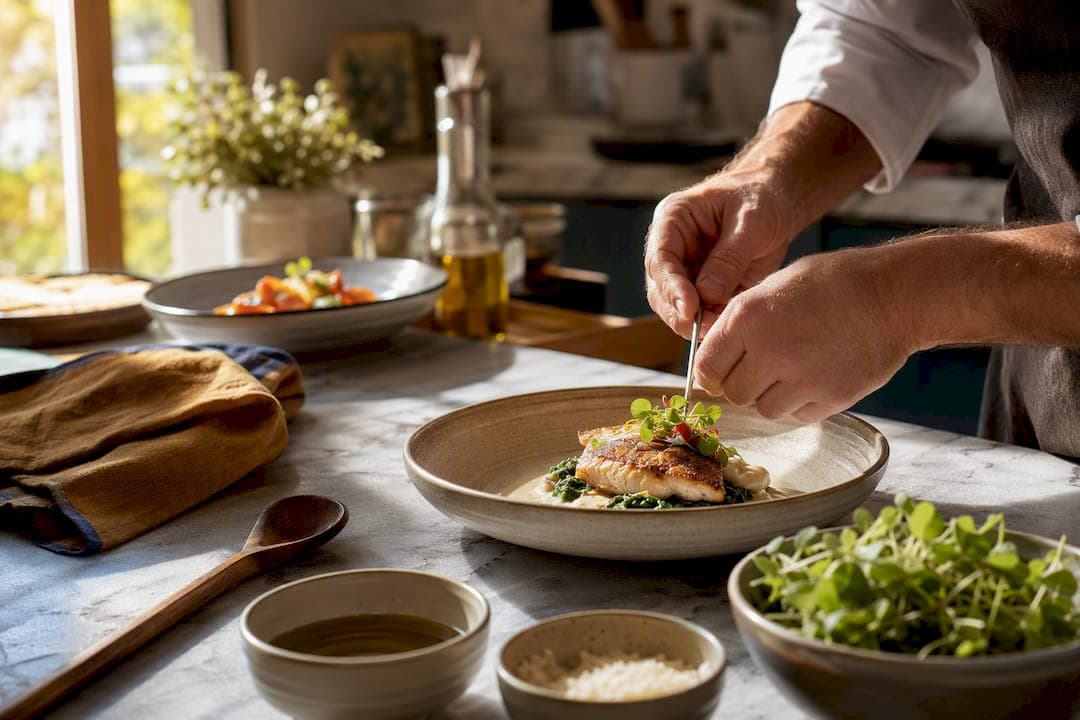
Hands-on Mediterranean cooking classes in Granada teach local and Nazari-influenced dishes in a 2 to 4 hour workshop, usually with the shared meal, recipes and an olive oil tasting included. Most sessions run in small groups with a professional chef or trained instructor, though private and villa-based workshops are widely available for couples, families or anyone wanting a tailored menu. If you want to check dates or arrange a bespoke session, the practical next step is to enquire directly about availability rather than wait for a public class slot to open.
TL;DR:
- Most classes include hands-on cooking, a shared meal with drinks, recipe sheets, and olive oil tastings, typically lasting three hours.
- Private workshops or villa-based sessions cater to small groups, dietary restrictions, and custom menus, with no minimum participant requirement.
- Courses focus on regional dishes like alboronía and pastela de pollo, alongside staples like paella and gazpacho, emphasizing local culinary storytelling.
- Prices vary from entry-level group workshops to higher-cost private or multi-day courses, with clear inclusion and cancellation policies recommended before booking.
- Enquiries about availability and dietary needs should be made in advance, as many providers require confirmation to ensure a tailored, authentic experience.
Table of Contents
- What does a Mediterranean cooking class in Granada include?
- Which class format suits you: short workshop, course or private session?
- How to choose a Mediterranean cooking class in Granada
- What recipes and regional dishes will you actually cook?
- What does it cost, and how do you book with confidence?
- Why a French-trained private chef suits a bespoke Granada workshop
- What should you bring or prepare before the class?
- What do you take away after the class ends?
- The value of ingredients and storytelling in learning Mediterranean cooking
- Book a private Mediterranean cooking workshop in Granada
- Sources
- FAQ
What does a Mediterranean cooking class in Granada include?
A typical class splits into two halves: hands-on cooking time under a chef's guidance, followed by sitting down together to eat what you have made. That structure matters, because the meal is not a bonus tacked on at the end. It is the point where flavours, technique and conversation come together, and most providers build the whole session around it.
CookEle Granada, one of the city's established providers, runs three-hour workshops that bundle the class, a full meal, an apron, recipe sheets and an olive oil tasting into a single price. That combination of inclusions has become close to the local standard, and it gives a useful benchmark when you are comparing options.
Expect the following as part of most Granada workshops:
- Guided, hands-on cooking rather than a passive demonstration, usually in groups of six to twelve
- A shared meal at the end, often with a jug of sangria or local wine included as part of the tasting experience
- Printed or digital recipe sheets to take home
- An extra virgin olive oil tasting, since Granada's cookery schools treat olive oil as a teaching subject in its own right, not just a condiment
- Optional market visits where instructors explain how to pick seasonal produce
Language provision varies by provider, so confirm whether English instruction is guaranteed before booking. Dietary needs, from gluten intolerance to shellfish allergies, are usually accommodated if you flag them at the time of booking rather than on arrival, since ingredient lists often need adjusting in advance.
Which class format suits you: short workshop, course or private session?
Granada offers three broad formats, and picking the wrong one is the most common regret among first-time bookers.
- The single 2 to 4 hour workshop. This suits travellers who want one memorable, hands-on experience without a long-term commitment. Granada Cooking Academy's Nazari street-food workshop, for example, runs around four hours and covers a full sample menu in one sitting. It is the format most villa guests and short-stay visitors choose.
- The multi-day or weekly intensive course. Aimed at learners who want repetition and depth rather than a single souvenir experience, some programmes in Granada run as many as ten classes per week. That kind of schedule builds real technique, but it demands a genuine time commitment during your stay, so it suits residents or long-stay visitors more than a weekend break.
- The private workshop or in-villa session. Best for small groups, celebrations, or anyone with dietary restrictions or accessibility needs that a group class cannot easily accommodate. Private formats also let you set the menu rather than follow a fixed one.
If you are travelling solo, check the minimum participant policy before you commit. Some providers may require multiple participants to confirm a group slot, so a solo traveller might join a group or pay extra for a private class.
How to choose a Mediterranean cooking class in Granada
Not every listing that promises an "authentic" workshop delivers one. A short checklist before you pay a deposit will save you a disappointing afternoon.
Start with the instructor. Ask directly whether the person leading the class is a professional chef, a trained cookery teacher, or simply someone reading from a script. This shapes everything from the pace of the class to how well questions get answered on the day.
Then work through these points:
- Class size and format: is it genuinely hands-on, or will you mostly watch a demonstration from a bench at the back?
- Ingredient sourcing: does the session include a market visit, or are ingredients pre-prepped before you arrive?
- What's included: meal, drinks, recipe sheet, apron and any certificate of attendance should be listed clearly, not implied.
- Language support: confirm English instruction if you don't speak Spanish, and ask how questions are handled if the class is mixed-language.
- Dietary accommodation: a good provider will ask about allergies and restrictions at booking stage, not on the day.
- Minimum participants and cancellation terms: get these in writing before paying anything.
Treat the absence of a clear price breakdown, an unclear cancellation policy, or vague answers about what's actually included as warning signs. A well-run workshop, whether it's a public class or a private one, will answer all of these without hesitation.
Pro Tip: Ask the provider what happens if the class doesn't reach its minimum headcount. Some will merge you into another group session automatically; others cancel and refund. Knowing which policy applies before you book avoids a wasted afternoon.
What recipes and regional dishes will you actually cook?
Granada's kitchens carry a distinct signature that sets them apart from cooking classes in Seville or Barcelona: the layered influence of nearly eight centuries of Al-Andalus rule. Dishes like alboronía, a vegetable stew close to a Nazari-style pisto, pastela de pollo (a spiced chicken pie with a pastry crust), and sopa harira appear regularly on workshop menus, and each reflects Moorish culinary traditions still woven into local cooking.
Alongside these Nazari dishes, most workshops also teach Mediterranean staples that give a broader technical grounding:
- Paella, which teaches rice technique and the discipline of not stirring once the stock goes in
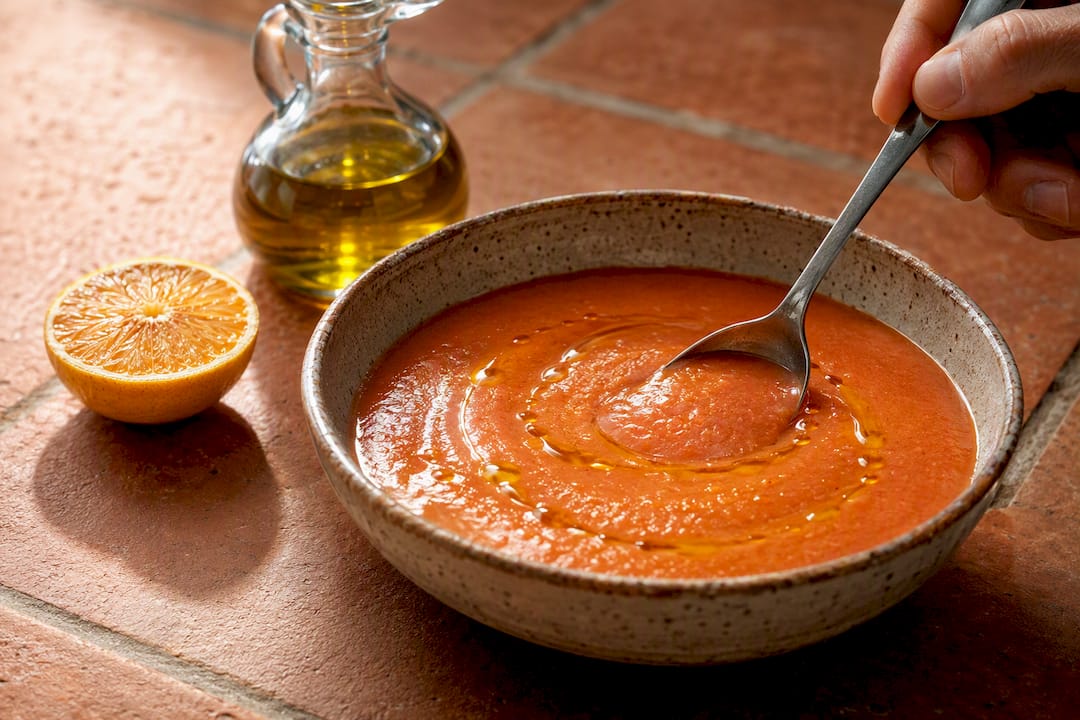
- Gazpacho, which is really a lesson in emulsification and balancing acidity against fat
- Tapas and olive oil tasting, which sharpen palate awareness and basic knife skills
What ties these together in a Granada class is context. Instructors rarely just hand you a recipe; they explain why a Moorish stew shares techniques with a French ratatouille, or why saffron and cumin turn up in dishes you might otherwise assume were purely Spanish. That storytelling, paired with the technical instruction, is part of what defines a genuine culinary experience rather than a simple recipe run-through.
What does it cost, and how do you book with confidence?
Short workshops in Granada typically fall into an entry-level price band that covers the class, ingredients, the shared meal and a recipe sheet, with private or villa-based sessions priced higher to reflect the tailored menu and smaller group. Multi-day intensive courses are priced per week rather than per session, reflecting the greater number of contact hours.
A few practical points worth confirming before you pay a deposit:
- Language: ask explicitly whether English instruction is included, particularly for group classes aimed primarily at Spanish-speaking residents.
- Minimum numbers: most group workshops need two to four participants to run; private sessions carry a surcharge but remove that uncertainty.
- Booking lead time: popular slots in peak season (spring and autumn) can fill a week or more in advance.
- Cancellation terms: Spanish providers vary in policy, so get the refund window confirmed in writing, ideally by email, before transferring any payment.
Why a French-trained private chef suits a bespoke Granada workshop
An experienced private chef offers workshops trained in classical French gastronomy and familiar with Spanish, Mediterranean and international cuisine. A sensory teaching method centred on flavour, texture, aroma and presentation often suits visual learners and those who face language barriers during classes.
A private workshop differs from a public class in a few concrete ways:
- The menu is built around your group, not a fixed script, including dishes such as paella, tapas or a French-Mediterranean tasting menu
- Dietary requirements and allergies are worked into the menu from the start, rather than adjusted on the day
- Sessions can run in your villa across Granada and wider Andalusia, removing the need to travel to a fixed studio
| What matters to you | Why it fits a private workshop |
|---|---|
| Dietary restrictions or allergies | Menu is planned around your needs before the session starts |
| Small group or family celebration | No minimum headcount issues, no joining strangers |
| Villa stay | Session runs on-site, so no travel logistics |
| Language or communication needs | Sensory teaching method adapts beyond spoken instruction alone |
Availability and bespoke requests are best confirmed directly through the private dining and cooking experience booking page.
What should you bring or prepare before the class?
Most Granada cooking workshops ask for very little in the way of preparation, which is part of their appeal to travellers without kitchen experience. Closed-toe shoes are sensible if the class involves working near a stove or handling hot pans, and clothes you don't mind getting a little flour or oil on are a safer choice than anything smart.
Prior to cooking knowledge is rarely a requirement. Instructors typically pitch instructions at a level that suits complete beginners, then adjust pace for anyone with more experience in the room. If you have specific concerns, whether that's limited mobility, standing for extended periods, or a communication need, mention it when booking rather than on the day, so the instructor can adapt the session layout.
Bring any dietary or allergy information in writing if possible, even if you have already mentioned it by email. Kitchens juggling several bookings appreciate a simple written reminder pinned to your name on arrival. If the class includes a market visit, comfortable walking shoes matter more than kitchen attire, since you may be on your feet in Granada's streets before you even reach the stove.
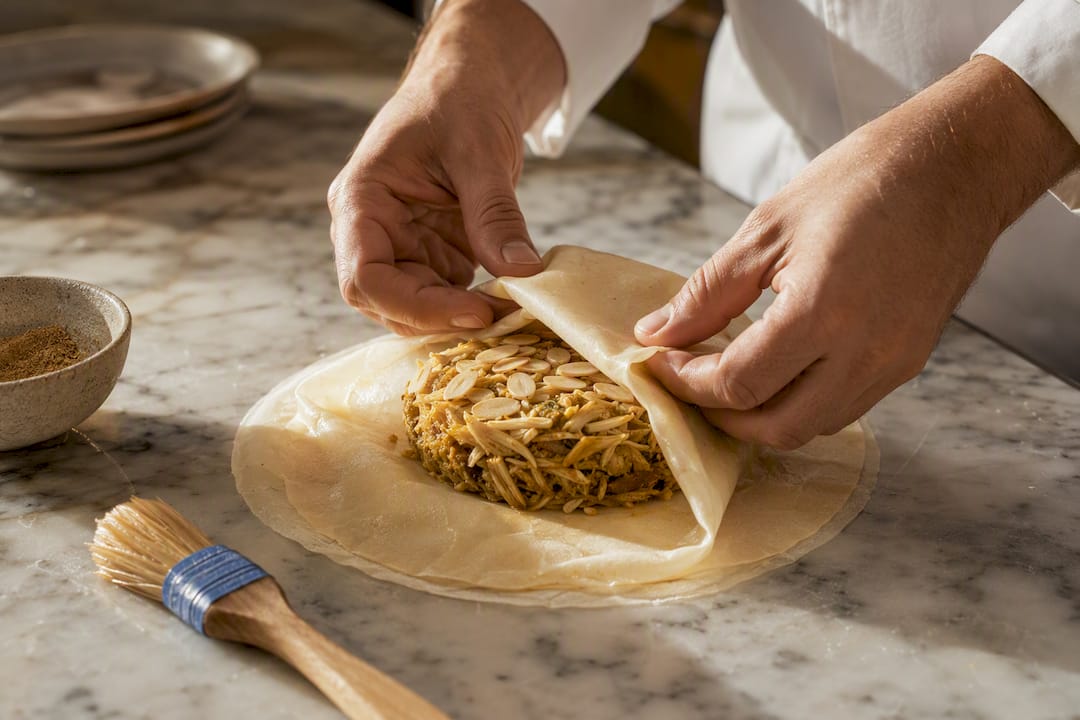
Bringing a notebook, or simply using your phone camera to photograph technique steps, is a small habit that pays off later. Recipe sheets are useful, but watching how a chef folds a pastela de pollo or judges when gazpacho has the right balance is something a printed page cannot fully capture.
What do you take away after the class ends?
Most classes send you home with more than a full stomach. Recipe sheets, whether printed or emailed afterwards, are close to universal, and some providers include a certificate of attendance, particularly on courses aimed at culinary students or longer intensive programmes rather than single tourist workshops.
Beyond the paperwork, the real takeaway is technique you can repeat at home: knowing how to build a paella base without stirring it into mush, or understanding why a gazpacho needs both acid and fat to taste balanced rather than thin. These are skills that transfer well beyond a single Granada holiday.
Support after the class itself tends to be informal rather than structured. Some instructors will answer a follow-up question by email if you cannot recall a step; others simply expect the recipe sheet to cover it. If ongoing support matters to you, ask about it before booking rather than assuming it is included. For anyone wanting to revisit the flavours of Granada without recreating the whole class at home, private in-villa dining is a natural extension of what you learned, minus the washing up.
The value of ingredients and storytelling in learning Mediterranean cooking
Understanding a local olive oil variety, or knowing why a dish appears in Granada rather than Madrid, changes how a student cooks, not just what they know. Sensory teaching, built around smell, texture and visual cues, also helps students with allergies or communication needs follow a class confidently. If you would like a workshop shaped around your own group, get in touch directly to talk through what you have in mind.
— Joseph Warner
Book a private Mediterranean cooking workshop in Granada
The Sensory Chef is the alternative to a fixed-schedule public workshop for anyone who wants a Mediterranean cooking class in Granada built entirely around their own group, timetable and villa. Rather than joining a mixed group at a set studio, Joseph Warner brings the class, the menu and the sensory teaching approach directly to you, whether that's a villa in Granada, Almoner, the Costa Tropical or wider Andalucía.
A private session typically covers a tailored menu drawing on French, Spanish and Mediterranean technique, full accommodation of dietary requirements and allergies, and the option to combine the class with a wider celebration such as an anniversary or family gathering. Because it's a bespoke booking rather than a fixed public slot, there is no minimum headcount requirement and no need to join strangers if you are a smaller group. You can also read more about how these private Granada cooking workshops are structured before deciding.
If a bespoke session fits what you're after, the next step is to check availability and share your dates, group size and any dietary needs through the booking page.
Sources
For sample menus, check Granada Cooking Academy's workshop listing. For typical inclusions and pricing structure, see CookEle's class description.
- Moorish impact on traditional Spanish food
- Taller Cookele | Experiencias Gastronómicas | Cicerone
- Taller Street Food. Edición Mediterráneo-arábiga – Granada Cooking Academy
- Mediterranean & Spanish Cooking (10 classes per week)
- Spanish cooking class in Granada (ByFood)
FAQ
How much does a cooking class cost in Granada?
Short workshops of 2 to 4 hours generally sit in an entry-level price band that covers the meal, ingredients and a recipe sheet, while private or villa-based sessions cost more to reflect the tailored menu and smaller group size.
What is the most famous food from Granada?
Granada is closely associated with tapas served free alongside drinks, alongside Nazari-influenced dishes such as alboronía and pastela de pollo that reflect the city's Moorish culinary heritage.
What is Granada's signature dish?
There isn't a single official dish, but alboronía, a vegetable stew rooted in Nazari cooking, is one of the most frequently cited examples of Granada's distinct culinary identity.
Are cooking courses in Spain open to foreigners?
Yes. Most Granada workshops and courses welcome international visitors, and many, including intensive programmes offering multiple classes per week, are specifically designed with non-Spanish speakers in mind, though it's worth confirming English language support before booking.