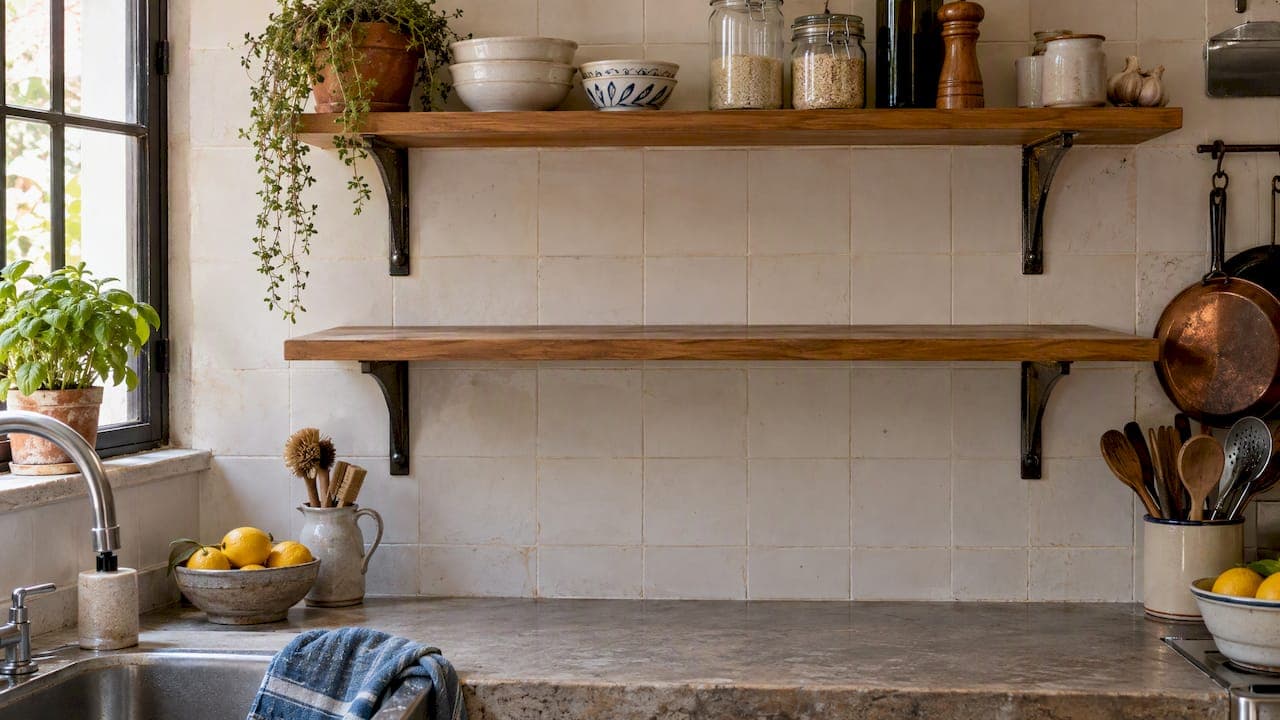
Every host needs a few things ready before a private chef arrives: a clean, working hob and oven, a reserved shelf or two in the fridge, and a clear stretch of worktop with easy access from the door. Get those right and the rest is detail. Joseph Warner, our French-trained chef, confirms the arrival time with you so you can plan the afternoon around it.
TL;DR:
- Match the menu to the hob and oven: induction needs magnetic pans, ceramic heats more slowly, and a small or inaccurate oven can change dishes and timing.
- Reserve at least one fridge shelf and a drawer or small freezer compartment; larger groups and tasting menus need more room for delicate ingredients.
- Send guest numbers, allergy details, and access instructions in writing a few days ahead; dietary needs or late menu changes can add preparation time.
- Confirm hot water, extractor strength, gas valve location, and electrical panel; keep pets, children, clutter, and flammable items away from the cooking area.
- Arrival time depends on the menu and any agreed local shopping; name one household contact and message late changes so the chef can adjust service.
Table of Contents
- What does a private chef need from your kitchen?
- Which appliances and equipment will the chef check?
- How should you organise fridge, freezer and pantry space?
- How much space and what layout does the chef need?
- What utilities and safety checks should you confirm?
- When does the chef arrive, and what is the timeline?
- What should you tell your chef before the night?
- What cleanliness and hygiene standards matter in the kitchen?
- How should you and your chef communicate before and during service?
- A chef's practical notes from Joseph Warner
- How we can prepare your kitchen and run the evening
- FAQ
What does a private chef need from your kitchen?
Think of this as the list you can tick off the morning of the dinner. None of it needs to be fancy, but all of it needs to be ready.
- Worktop space: clear a generous area near the hob, and set up a separate table for plating if you have one.
- Hob and oven: switch both on briefly to confirm they work, and note whether the hob is gas, electric ceramic or induction.
- Fridge space: reserve at least one shelf, plus a drawer or small freezer compartment for prepared components.
- Cookware: make sure pans, pots and baking trays are clean and free of scratched non-stick coating, or tell us in advance if you would prefer us to bring specialist kit.
- Tableware: count out enough plates, glasses and cutlery for every guest, with a few spares for courses that need a fresh plate.
- Cleaning supplies: show us where the washing-up liquid, cloths, bin bags and spare tea towels live.
A tidy kitchen lets us spend the start of the service cooking rather than clearing. If your villa kitchen is on the small side, our page on kitchen alternatives explains how we adapt.
Which appliances and equipment will the chef check?
We look at the hob first, because it shapes the whole menu. Gas gives instant heat and fine control, which suits searing and sauces. Induction is just as responsive but only works with magnetic pans, so a set of old aluminium pans will sit there doing nothing. A ceramic hob heats and cools more slowly, so we plan timings with a little extra margin.
Next comes the oven. Check how many shelf positions it has, and whether the temperature dial is anywhere near accurate. A multi-course menu often needs the oven for several things in sequence, so a small or erratic oven changes what we can serve and when.
- Extractor fan: a strong one matters for searing fish, roasting at high heat or anything that smokes. If yours is weak, open a window and tell us beforehand.
- Small appliances: a blender, microwave and kettle are useful, and we will happily use them for purées, melting and warming.
- What we bring: we can discuss any equipment needed, so you do not need to hunt for a sharp blade or a fine sieve.
- What we rely on you for: pans, baking trays, serving dishes, a working oven and a sink with hot water.
Pro Tip: Send us a quick photo of your hob and oven when you book. It takes only a moment and lets us choose dishes that suit the equipment.
How should you organise fridge, freezer and pantry space?
Give us more room than feels necessary. Ingredients for a multi-course dinner take up more space than you expect, and a crowded fridge slows service and risks cross-contamination. As a rule of thumb, one full shelf and a drawer works for a small group, with more for larger tables.
- Label the shelves: a sticky note reading "Chef's ingredients, please leave" stops a well-meaning family member from moving things at the wrong moment.
- Keep it cold: delicate items such as fish, shellfish, dairy and herbs go on the coldest, most stable shelves, away from the door.
- Show your pantry: put oils, salts, spices and dry goods you are happy for us to use together in one place, with expiry dates visible and lids closed.
- Keep basics within reach: olive oil, salt and pepper should sit near the hob so we are not opening six cupboards mid-service.
Anything you want kept for your own breakfast tomorrow should be moved aside before we arrive.
How much space and what layout does the chef need?
A kitchen works best when two people can pass each other without turning sideways. Clear the floor of bags, bins and anything a person carrying a hot pan could trip over.
- Plating station: a table or a clear counter at a comfortable working height, close to the pass-through to the dining area.
- Sockets: keep small appliances near an outlet and avoid long trailing cables across the floor.
- Lighting: plating is easier in good light, so switch on every light in the kitchen, including under-cabinet lights if you have them.
- Access: tell us about parking, gates and steps, especially for larger events when we arrive with extra equipment or deliveries.
For a sense of how the whole evening fits together, our guide to how the private chef service works for your holiday walks through it.
What utilities and safety checks should you confirm?
Safety checks take a few minutes and save a lot of stress later.
- Hot water: confirm the boiler is on and the tap runs hot, because washing up during service depends on it.
- Ventilation: tell us how strong the extractor fan is, and whether a window or door can be opened safely.
- Shut-off points: show us the gas shut-off and the consumer unit on arrival, so we know where they are if something goes wrong.
- Waste: agree where food waste, recycling and general rubbish go during service and after.
- Walkways and flammables: keep tea towels, paper, candles and anything flammable well away from the hob.
Pro Tip: Walk the chef to the gas valve and the fuse board when they arrive. It is the single easiest safety habit in a rented villa.
When does the chef arrive, and what is the timeline?
Timings depend on the menu, but this is the usual shape of an evening with us.
- Arrival, with enough time before service: allow longer for tasting menus and multi-course dinners, and less time for simple sharing dishes.
- Inspection and set-up: we check the kitchen, unpack, and organise our mise en place.
- Shopping, if agreed: we collect fresh produce locally, which adds to the arrival window.
- Active cooking and plating: the busiest stretch, so we ask guests to stay out of the kitchen.
- Service start: we tell you when courses are ready, so you can seat your guests.
Bespoke dietary needs or last-minute recipe changes can add time, so tell us early. A fuller walk-through of the format lives on our page about tasting menus at home.
What should you tell your chef before the night?
A short message a few days ahead removes almost every surprise.
- Guest numbers: the final count, including children and infants with their own needs.
- Allergies: every allergy and how severe the reaction is.
- Preferences: likes, dislikes, and any cultural or religious restrictions.
- Access: parking, gate codes and a phone number that will be answered on the day.
- Shopping: whether you would like us to buy ingredients locally or bring them with us.
What cleanliness and hygiene standards matter in the kitchen?
You do not need a spotless showroom, but you do need a kitchen that is clean where food is prepared. Before we arrive, wipe down the worktops, clean the hob and oven interior if it has been used heavily, empty the bin, and clear the sink so we can wash our hands and produce straight away.
Check the fridge for anything past its date and remove it, since we will be putting delicate ingredients in beside it. Make sure there is soap at the sink, a clean tea towel or two, and enough bin liners for the evening. If the dishwasher is full of clean crockery, empty it, because we will need it for the first round of service.

Hygiene also covers the practical side of a busy villa. Keep pets out of the kitchen while we work, and ask children to stay clear of the hob and knives. We handle raw and cooked foods separately and clean as we go. A kitchen that begins clean tends to stay clean, and that is the best protection for you and your guests. If something is not quite right, tell us on arrival rather than apologising later: we adapt without fuss. What matters is that surfaces are safe, water runs hot, and the fridge is cold.
How should you and your chef communicate before and during service?
Agree on a channel before the day. Most hosts prefer a message thread for details and a short call for anything complicated, and we are happy with either. Send final numbers, allergy details and access instructions in writing, so nothing depends on memory. If you are travelling, a quick message on the morning of the dinner confirming arrival time is welcome.
Once we are in the kitchen, the best communication is light. Name one person as the point of contact, ideally someone who knows the house, the guests and the plan. That person can answer questions about where things are, then leave us to cook. Please avoid sending several guests in with separate requests, because it slows the kitchen and raises the risk of mistakes.
For service itself, we usually signal each course in a simple way, such as a quiet word with your contact person. Let us know if you would like a particular pace: relaxed with long gaps for conversation, or brisk because of children or an early start. If a late arrival or change of plan happens, a short message lets us adjust timings rather than hold dishes. Clear, calm communication is one of the quiet ingredients of a good evening, and it costs nothing.
A chef's practical notes from Joseph Warner
I am a French-trained private chef with more than 13 years of experience, and the founder of The Sensory Chef. The most common oversight I see is a fridge full of the family's own food, which we fix by agreeing a shelf in advance. The non-negotiable is allergy information: tell me everything, early, and it saves time on the night. If you would like prep advice, get in touch.
— Joseph Warner
How we can prepare your kitchen and run the evening
We offer private chef service, villa dining, tasting menus and menus built around dietary needs and allergies. We can advise on kitchen readiness before the day, so you only have to enjoy the evening. Browse our private chef services, choose a menu that suits your group, and book through The Sensory Chef.
FAQ
Do I need a professional kitchen for a private chef?
No. A normal home or villa kitchen is enough, provided the hob and oven work and there is clear worktop space. We adapt the menu to what your kitchen can handle.
How much fridge space should I leave free?
Leave at least one full shelf and a drawer or small freezer compartment. Larger groups or tasting menus need more, so tell us your guest numbers when you book.
Should I provide pots, pans and plates?
Please have clean basic cookware and enough plates, glasses and cutlery for every guest. If your pans are limited, tell us in advance and we can bring what we need.
What time will the chef arrive?
The chef usually arrives with enough time to prepare, depending on the menu and whether we are shopping locally. We confirm the exact time with you beforehand.