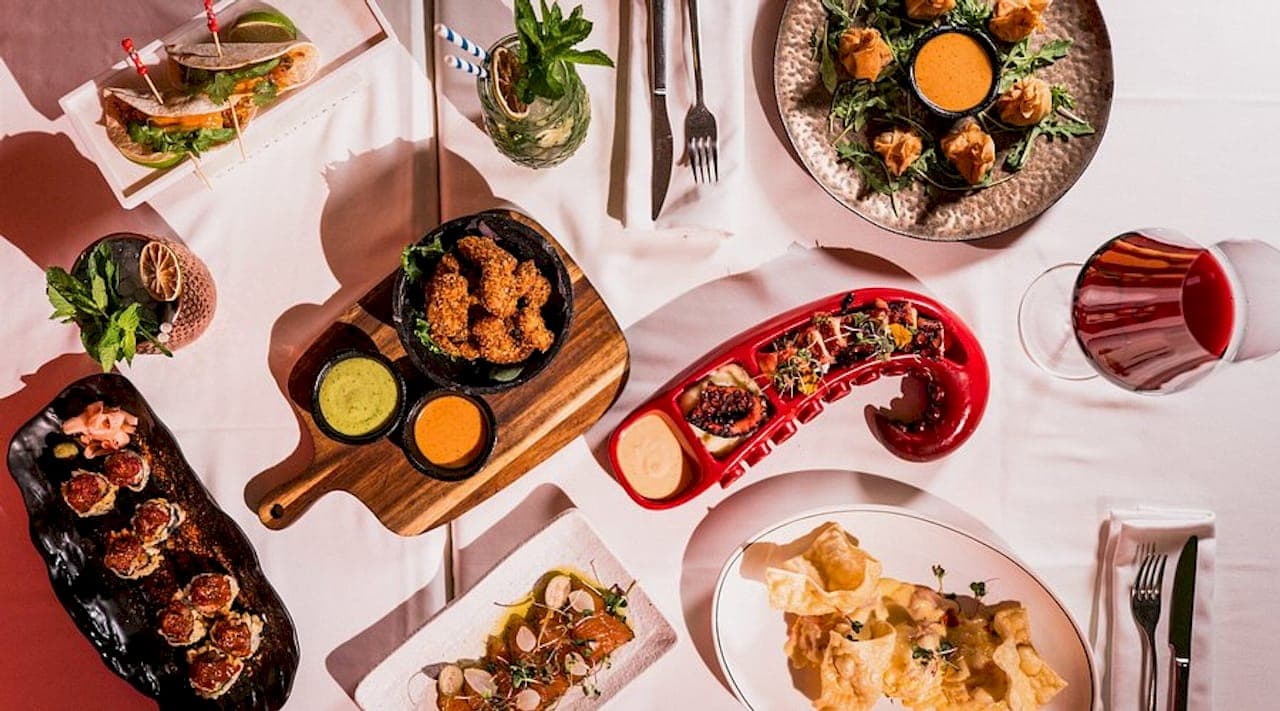
Planning an international cuisine dinner in Malaga means curating diverse global flavours, sourcing authentic ingredients, and shaping the entire experience around the city’s distinctive dining culture. Known in culinary circles as a private dining event or international feast, this kind of gathering rewards careful preparation. Malaga’s markets overflow with fresh Andalusian produce, and its varied dining scene gives home cooks a rich foundation to build upon. Whether you are hosting six close friends or celebrating a special occasion, the right theme, timing, and table setting make all the difference.
How to plan an international cuisine dinner in Malaga: choosing your theme and menu
The menu theme is the single decision that shapes everything else. Get it right, and every subsequent choice, from ingredients to table décor, falls into place naturally.
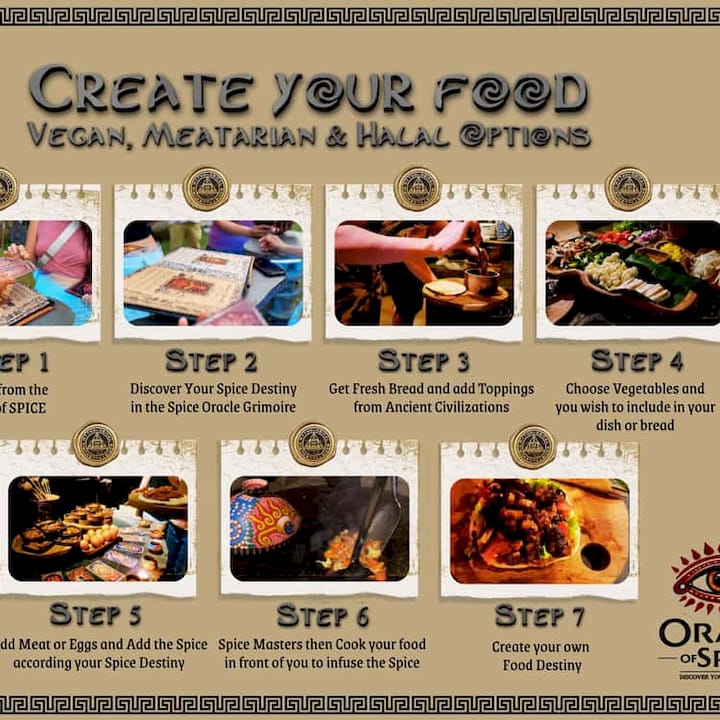
Start by considering your guests. Dietary requirements, cultural backgrounds, and flavour preferences all influence which international cuisine works best. A Japanese omakase progression suits adventurous palates, while a Moroccan mezze spread works beautifully for groups who prefer sharing. Both are achievable in Malaga with the right preparation.
Fusion menus are increasingly popular in Malaga’s dining culture. Michelin-starred chef Diego Gallegos leads a fusion gastronomy approach in the city, blending local Andalusian products with international flavours. His work demonstrates that the most memorable dinners do not force a choice between local and global. They weave both together.
When designing your menu, balance is the governing principle:
-
Starter: Choose something light and aromatic. Japanese miso soup, Lebanese hummus with warm flatbread, or a chilled Spanish gazpacho all open the palate without overwhelming it.
-
Main course: Select one or two centrepiece dishes that anchor the cuisine theme. Moroccan lamb tagine, Thai green curry with jasmine rice, or a French-style roasted chicken with herbs all travel well to a home kitchen.
-
Dessert: End with something that contrasts the main. A citrus panna cotta, cardamom rice pudding, or dark chocolate fondant each provide a clean, satisfying close.
-
Drinks pairing: Malaga’s local wines, particularly its sweet Moscatel, pair surprisingly well with spiced Middle Eastern and North African dishes.
Pro Tip: If you are hosting guests with mixed dietary needs, build your menu around one naturally adaptable cuisine. Indian and Mediterranean menus both offer rich vegetarian options without requiring separate dishes.
Fusion versus traditional is not a binary choice. A traditional Andalusian feast can incorporate international spices and techniques without losing its identity. The key is intentionality. Every dish should feel chosen, not assembled at random.
Where to source authentic ingredients for international dishes in Malaga
Ingredient quality determines the ceiling of any dish. Malaga gives home cooks genuine advantages here, provided you know where to look.
-
Mercado Central de Atarazanas: This is Malaga’s finest covered market. Fresh seafood, seasonal vegetables, local cheeses, and cured meats are all available at exceptional quality. For an international menu, the seafood counter alone can supply the centrepiece of a Japanese, Italian, or French main course.
-
Specialist international grocery shops: Malaga’s city centre and the Soho district host several shops stocking Asian, Middle Eastern, and Latin American ingredients. Miso paste, tahini, coconut milk, dried chillies, and specialty rice varieties are all findable with a short walk or a brief online search.
-
Seasonal substitutions: Work with what is in season rather than against it. If a recipe calls for butternut squash in spring, Malaga’s courgettes and aubergines carry similar textural weight. Fresh seafood and modern Andalusian dishes reward cooks who adapt intelligently to what is available.
-
Online delivery: For truly specialist items, Spanish online retailers deliver across Andalusia within 24–48 hours. Japanese dashi stock, Korean gochujang, and French duck confit are all orderable if local shops fall short.
-
Herb and spice sourcing: Buy whole spices and grind them yourself. Malaga’s markets stock fresh coriander, flat-leaf parsley, and mint year-round. Dried spice blends like ras el hanout or za’atar are available in specialist shops and add immediate authenticity to North African and Middle Eastern dishes.
Pro Tip: Visit Mercado Central de Atarazanas on a Friday morning. Stallholders receive their largest weekly deliveries on Thursday evenings, so Friday morning offers the widest selection and the freshest stock.
For private villa dining, Thesensorychef sources ingredients directly from trusted local suppliers across Andalusia, ensuring every dish reflects the region’s finest seasonal produce.
How does Malaga’s dining culture affect your dinner timing?
Malaga’s dining rhythm is one of the most distinctive in Europe. Dinner rarely begins before 8:30 PM, and meals stretch comfortably into the late evening. This is not a quirk. It is a deeply held cultural preference that shapes how guests experience a dinner event.
Planning your international dinner around this rhythm produces a more natural, relaxed atmosphere. Guests who arrive at 8:30 PM and sit down to eat at 9:00 PM are following a local pattern. Guests called to the table at 7:00 PM may feel rushed or out of step with the evening’s mood.
“Dining out in Malaga is relaxed and communal, with meals enjoyed slowly and shared to savour new flavours. The table is a place to linger, not to leave.” A Foodie’s Guide to Andalusia
Pacing your courses matters as much as timing your start. For a 2.5-hour dinner event, a three-course international menu works well. A four or five-course tasting progression suits a longer evening of three hours or more.
Practical timing guidelines for a Malaga international dinner:
-
8:30 PM: Guests arrive. Serve welcome drinks and small canapés or amuse-bouches.
-
9:00 PM: Sit down to the starter. Allow 20–25 minutes between courses.
-
9:30 PM: Main course served. This is the social centrepiece of the evening.
-
10:30 PM: Dessert and digestifs. Keep the table relaxed and unhurried.
-
11:00 PM onwards: Coffee, conversation, and the natural close of the evening.
Setting the atmosphere to match the cuisine theme adds a layer of sensory depth. Moroccan lanterns, Japanese minimalism, or French bistro linen each signal to guests that the evening has been considered from every angle.
Executing the dinner: cooking, serving, and hosting your international feast
Execution is where preparation meets performance. The most thoughtful menu falls flat if the kitchen timing collapses or the serving style feels awkward.
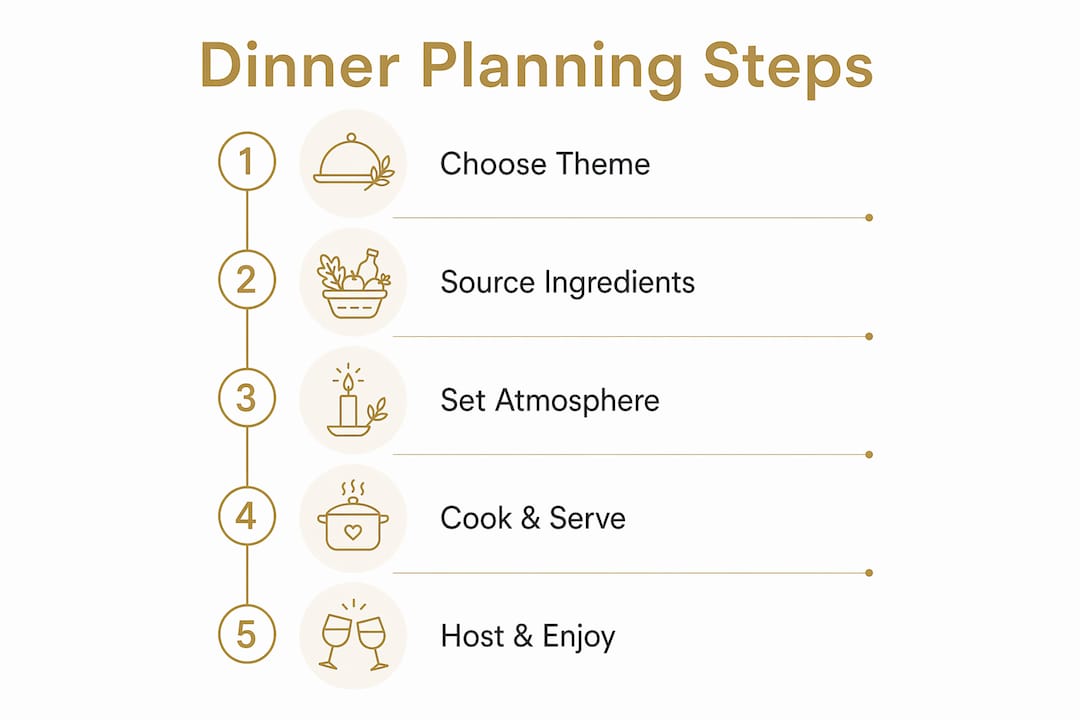
Follow this sequence on the day of your dinner:
-
Prepare all cold dishes and desserts the day before. Mousses, marinades, cured elements, and dessert bases all benefit from resting overnight. This frees your focus on the day itself.
-
Set the table two hours before guests arrive. Linen, glassware, candles, and any décor elements should be in place before you enter the kitchen for the final push.
-
Batch your mise en place by course. Group every ingredient, tool, and garnish for each course in a separate section of your kitchen. This prevents the frantic searching that derails timing.
-
Assign one person to manage drinks and guest conversation. If you are cooking solo, a trusted co-host who keeps guests engaged while you plate is worth more than any kitchen gadget.
-
Plate in the kitchen, not at the table. International cuisine often involves precise presentation. Plating at the table under social pressure produces inconsistent results.
Micro-gatherings of 4–6 guests are the ideal size for an intimate international dinner at home. This number allows genuine conversation, manageable kitchen preparation, and enough variety in guest perspectives to make the cultural dimension of the meal feel alive.
The table below outlines common execution mistakes and their solutions:
| Mistake | Solution |
|---|---|
| Starting courses too quickly | Wait until all guests have finished before clearing and plating the next course |
| Serving wine without food pairings | Research one wine per course in advance and brief your co-host |
| Overcrowding the table with dishes | Serve courses sequentially rather than family-style for international menus |
| Neglecting dietary needs at service | Label dishes clearly and confirm substitutions with affected guests before sitting down |
| Losing the cultural narrative | Share one brief story about each dish’s origin as you serve it |
Meals in Malaga invite lingering, enjoyment, and sharing. Lean into that. A brief, warm introduction to each dish, its origin, and its key flavours turns a dinner into a genuine cultural experience. Guests remember the stories as much as the food.
Key takeaways
Planning an international cuisine dinner in Malaga succeeds when you align your menu theme, ingredient sourcing, and dinner timing with the city’s relaxed, communal dining culture.
| Point | Details |
|---|---|
| Choose a focused theme | Select one cuisine or a deliberate fusion concept before designing any other element of the evening. |
| Source locally first | Mercado Central de Atarazanas and Malaga’s specialist shops cover most international ingredient needs. |
| Start late, pace slowly | Begin dinner at 9:00 PM and allow 20–25 minutes between courses to match Malaga’s dining rhythm. |
| Keep guest numbers intimate | A group of 4–6 guests produces the best conversation and the most manageable kitchen preparation. |
| Prepare ahead and plate in the kitchen | Cold dishes made the day before and kitchen plating on the night protect both quality and timing. |
What hosting international dinners in Malaga has taught me
After more than 13 years in professional kitchens, the lesson that surprises most home cooks is this: the cuisine theme matters far less than the hosting rhythm. I have served Japanese kaiseki in a Malaga villa and Moroccan tagine on an Andalusian terrace. In both cases, the guests who relaxed most deeply were the ones whose host had clearly thought about time as much as food.
Malaga’s late dining culture is not an obstacle. It is an asset. When guests arrive at 8:30 PM knowing the evening will unfold slowly, they arrive in a different frame of mind. They are not rushing from work. They have already had a long, warm afternoon. They are ready to be present.
The other thing I have learned is that fusion menus with local ingredients consistently outperform purely imported concepts. When a Moroccan spice rub meets Malaga’s local red tuna, or a French beurre blanc is built on Andalusian olive oil, something genuinely new happens on the plate. That is the kind of cooking that guests talk about afterwards.
For multi-course dinner planning in Malaga, my honest advice is to resist the temptation to over-engineer the menu. Three exceptional courses, timed well and served with warmth, will always outperform five technically ambitious dishes that leave the host exhausted and the guests waiting.
— Joseph
Thesensorychef: bespoke international dining in Malaga
Thesensorychef brings over 13 years of professional culinary experience to private dining events across Malaga and Andalusia. Trained in French gastronomy and deeply versed in Spanish, Mediterranean, and international cuisine, Joseph Warner designs bespoke menus tailored to your guests, your occasion, and your setting.
Every private dining experience is built around your preferences, from ingredient sourcing and course structure to cultural presentation and dietary accommodations. Whether you are planning an intimate anniversary dinner, a villa celebration, or a cultural fusion feast for friends, Thesensorychef handles the culinary execution so you can be fully present as a host. Explore the full range of curated dining experiences and find the format that suits your occasion.
FAQ
What time should I start an international dinner in Malaga?
Dinner in Malaga rarely begins before 8:30 PM, so plan for guests to arrive around 8:30 PM and sit down to eat by 9:00 PM. This aligns with local custom and sets a relaxed, unhurried tone for the evening.
How many guests is ideal for a home international dinner in Malaga?
Micro-gatherings of 4–6 guests are the most effective size for intimate international dinners at home. This number keeps conversation genuine and kitchen preparation manageable.
Where can I find international ingredients in Malaga?
Mercado Central de Atarazanas covers fresh local produce, while specialist shops in the Soho district and city centre stock Asian, Middle Eastern, and Latin American staples. Spanish online retailers deliver specialist items across Andalusia within 24–48 hours.
How long should an international dinner in Malaga last?
A three-course international dinner typically runs for around 2.5 hours, while a four or five-course tasting menu suits an evening of three hours or more. Malaga’s dining culture favours a slow, communal pace, so build extra time into your schedule.
Can I blend Andalusian and international cuisine for a home dinner?
Fusion menus that combine local Andalusian ingredients with international techniques are well-established in Malaga’s culinary culture. Chefs like Diego Gallegos have demonstrated that local products with international flavours produce some of the most memorable results on the plate.