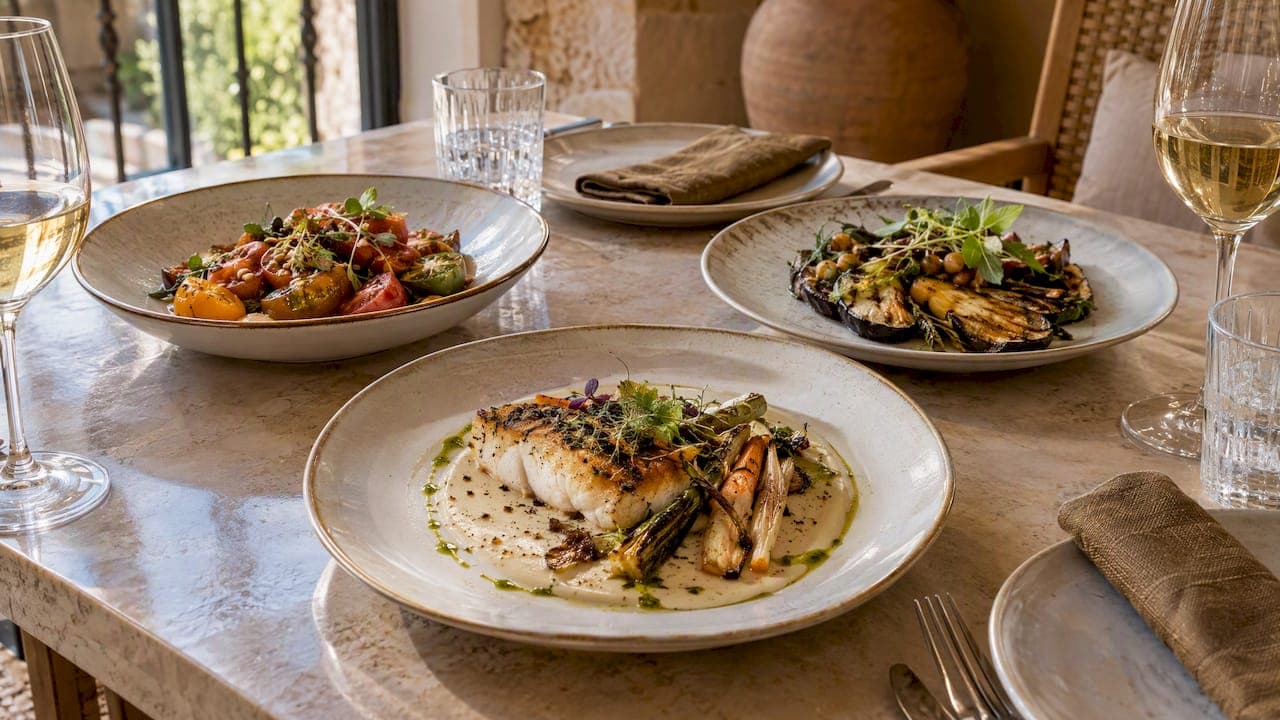
The most reliable approach is to build your menu around dishes that are naturally dairy-free rather than adapting dairy-heavy ones, then fill the gaps with a handful of trusted substitutes such as plant creams and dairy-free cheeses. Confirm each guest's dietary needs in writing before you finalise the menu. If you want the whole process handled for you, a private chef such as The Sensory Chef can design and cook a bespoke lactose-free menu from start to finish.
TL;DR:
- Confirm each guest’s needs in writing at least two weeks ahead, and ask whether the condition is lactose intolerance or a milk protein allergy.
- Buffets carry greater cross contact risk than plated meals; separate cookware, clear labels, and staff briefings help prevent serving errors.
- Order specialty dairy free items early, since suppliers may require 5 to 15 business days’ notice depending on order size, and plan accordingly.
- EU lactose free labeling is not fully harmonized; EFSA says most people with lactose maldigestion tolerate about 12 grams per dose, but sensitivity varies.
- Check packaged desserts, stocks, gravies, and dressings for milk ingredients, because sorbet and dark chocolate are not automatically dairy free.
Table of Contents
- Easy, crowd-pleasing lactose-free starters and canapés
- Main-course options and formats that suit celebrations
- Desserts and sweet treats that are reliably lactose-free
- Drinks, sauces and side dishes: low-effort dairy-free choices
- How to plan quantities, timing and guest communication for lactose-free events
- Reading labels and the meaning of 'sin lactosa' in EU and Spanish context
- Preventing cross-contact and keeping lactose-intolerant guests safe during service
- Chef-led lactose-free menu examples: three event menus by The Sensory Chef
- Why sensory cooking changes how we handle dietary requirements
- Book a lactose-free menu with The Sensory Chef
- FAQ
- Sources
Easy, crowd-pleasing lactose-free starters and canapés
A good starter menu leans on dishes that were never built around dairy in the first place: cured meats, fresh seafood, vegetables and good olive oil do the heavy lifting without needing any substitution at all.
- Gazpacho shots served in small glasses, naturally dairy-free and refreshing on a warm evening.
- Jamón-wrapped melon or figs, a classic Mediterranean pairing with no cream or cheese involved.
- Marinated olives and roasted almonds, simple, reliably safe, and easy to multiply for larger groups.
- Grilled prawns with garlic and lemon, finished in olive oil rather than butter.
- Tomato and basil bruschetta, using a good crusty bread and skipping any ricotta or burrata topping.
When a recipe calls for butter to finish a sauce, a dash of good olive oil or a spoon of dairy-free crème fraîche keeps the texture without the lactose. For finger food, plate everything individually to avoid shared serving spoons touching both dairy and non-dairy dishes; for a seated starter, this control is even easier since each plate is composed in the kitchen.
Main-course options and formats that suit celebrations
The main course is where format matters most. A shared paella works beautifully for a villa celebration or family gathering because the dish is traditionally dairy-free: saffron, rice, stock and good seafood or chicken need no cream or butter to taste complete. For a seated dinner, a plated main such as slow-roasted lamb with a red wine jus or a herb-crusted fish fillet gives you full control over every component on the plate. Buffets suit larger groups but need more labelling, since guests serve themselves and cross-contact is harder to manage.
- Paella Feast style mains: rice-based, naturally dairy-free, and easy to scale for a crowd.
- Herb-roasted chicken or fish with an oil-based sauce instead of a butter or cream reduction.
- Grilled vegetable and seasonal dishes finished with good olive oil, offering genuine Mediterranean depth without dairy.
Plant creams, reduced down the same way dairy cream would be, give sauces body; lactose-free cheeses melt and behave much like their dairy counterparts in a gratin or stuffed vegetable dish. Oil-based dressings and jus replace butter-finished sauces without losing richness.
Pro Tip: Reduce a plant-based cream slowly over low heat rather than at a rolling boil, it thickens more evenly and avoids separating.
Buffet service carries the highest risk of cross-contact since multiple guests share serving utensils, while plated service, though more labour-intensive, keeps each dish contained and easier to track.
Desserts and sweet treats that are reliably lactose-free
Dessert is often where dairy sneaks back in through cream, butter or ganache, so it pays to choose dishes that are naturally lactose-free by design.
- Olive-oil cake, moist and fragrant, with no butter in the batter.
- Coconut cream pavlova, using coconut cream instead of dairy whipped cream for the topping.
- Fresh fruit platters and sorbets, a safe, celebratory choice for any dietary mix.
- Plant-milk chocolate pots, made with oat or almond milk and good dark chocolate.
When buying ready-made desserts, check the label for "sin lactosa" rather than assuming dark chocolate or sorbet is automatically dairy-free, as some brands add milk solids. For plated events, portion desserts individually so you know exactly which guest receives which dish.
Drinks, sauces and side dishes: low-effort dairy-free choices
The small items round out a menu, and they are often where lactose hides unnoticed. Offer oat or almond milk alongside coffee service rather than assuming guests will ask. Vinaigrettes and herb sauces (chimichurri, salsa verde, romesco) are naturally dairy-free and bring brightness to grilled dishes. Mashed potato can be made silky with olive oil and a splash of stock instead of butter and milk.
- Check pre-made stocks, gravies and dressings for hidden milk powder or whey.
- Offer a plant-based milk option visibly alongside dairy at any coffee or dessert station.
- Use herb-based sauces rather than cream-based ones for grilled meats and vegetables.
How to plan quantities, timing and guest communication for lactose-free events
Getting quantities and timing right matters as much as the menu itself.
- Confirm dietary needs in writing at least two weeks ahead, since verbal confirmations are easy to forget on a busy guest list.
- Allow several canapé pieces per person for a reception, or one full course per person for a seated meal, adjusting slightly upward for evening events.
- Order speciality dairy-free items early: suppliers of ready-made dairy-free party food commonly ask for 5 to 15 business days' notice depending on order size.
- Ask whether a guest has lactose intolerance or a milk protein allergy, since the two require different levels of caution in the kitchen.
For guidance on collecting this information smoothly, see our notes on communicating dietary preferences to your chef.
Reading labels and the meaning of 'sin lactosa' in EU and Spanish context
AESAN guidance notes that "sin lactosa" labelling is not harmonised across every category of food, and the term relies on indicative thresholds set out in guidance documents rather than a single fixed legal limit. In practice, this means two products both labelled "sin lactosa" may not contain identical trace amounts. Scientific review work, including an EFSA opinion on lactose thresholds, indicates most people with lactose maldigestion tolerate around 12 grams of lactose as a single dose, though individual sensitivity varies considerably and some guests react to far less. The safest rule for events is to buy products clearly labelled "sin lactosa", keep the packaging or brand name on hand, and avoid assuming a product is safe simply because it tastes or looks dairy-free.

Preventing cross-contact and keeping lactose-intolerant guests safe during service
Lactose intolerance and milk protein allergy are different conditions: intolerance is a digestive reaction to the sugar lactose, while an allergy is an immune response to milk proteins, and the latter carries a far higher risk. Under EU allergen rules reflected in AESAN guidance, food businesses must provide allergen information to guests, and if this information is given verbally, a written or electronic record must also be kept.
- Prepare lactose-free dishes on separate boards and pans where possible.
- Label plates or trays clearly for serving staff and guests alike.
- Brief all serving staff on which dishes are lactose-free before service begins.
- Keep a written note of each guest's dietary requirement, not just a verbal agreement.
Pro Tip: Colour-coded stickers on trays make it much faster for serving staff to identify the correct dish during a busy reception.
For more on how this is managed in a professional kitchen, see our guide to handling dietary intolerances.
Chef-led lactose-free menu examples: three event menus by The Sensory Chef
Joseph Warner brings more than 13 years of professional experience, trained in French gastronomy and well versed in Spanish, Mediterranean and international cuisine, with a sensory approach to cooking that focuses on flavour, texture, aroma and presentation. Below are three menu formats we design for lactose-free events, adaptable for guests with additional dietary needs on the same booking.
- Intimate tasting menu: gazpacho, herb-crusted fish with a vinaigrette, and an olive-oil cake finish, plated course by course.
- Family-style paella celebration: marinated olives and jamón to start, a shared seafood or chicken paella, and fresh fruit with sorbet to close.
- Canapé reception: prawn and citrus bites, tomato bruschetta, and plant-milk chocolate pots served on individual trays for easy guest tracking.
Each menu can accommodate gluten-free or other dietary needs alongside lactose-free requirements; see our gluten-free menu examples for how we layer multiple requirements into one event.
Why sensory cooking changes how we handle dietary requirements
Cooking without dairy is never about removing something and hoping nobody notices. It is about building flavour, texture and aroma from the ingredients that are already there, olive oil, citrus, toasted nuts, good stock, so the dish stands on its own. That is the thinking behind every lactose-free menu we design. If you are planning an event and want a menu built this way from the start, we would love to hear from you.
— Joseph Warner
Book a lactose-free menu with The Sensory Chef
We design every lactose-free menu around the celebration itself, whether that is a villa birthday, a wedding, or an intimate anniversary dinner, so your guests eat well without anyone feeling like an afterthought.
- Private chef bookings for weddings, family gatherings and villa celebrations through our services page.
- Ready-designed menus including the Celebration Menu and French Heritage Menu via our menu catalogue.
- Dietary requirements and allergies handled directly with us well ahead of your event, see how we accommodate dietary needs.
Share your guest list and any dietary notes with us as early as you can, ideally a couple of weeks before your date, and we will build a menu around them.
This article is general information, not a substitute for advice from a qualified doctor. Consult a qualified healthcare professional about your own circumstances before acting on anything here.
FAQ
What can I eat if I avoid both gluten and lactose?
Naturally gluten-free and lactose-free foods such as rice, grilled meats and fish, fresh vegetables, and fruit-based desserts cover most courses safely. For events, dishes like paella, grilled fish with herb sauces, and olive-oil cake work well since they avoid both ingredients by design rather than through substitution.
What are good gluten-free snacks for a party?
Olives, nuts, cured meats, vegetable crudités and rice-based bites are naturally gluten-free and work well as canapés. Always check pre-made dips and sauces, since some contain gluten as a thickener.
What should I eat for dinner if I am lactose intolerant?
A dinner built around grilled or roasted protein, rice or potatoes finished in olive oil, and vegetable sides avoids lactose without any special substitution. Most people with lactose maldigestion tolerate small amounts of lactose, but a fully dairy-free dinner removes the guesswork, according to EFSA's review of lactose thresholds.
What can I eat if I am intolerant to both lactose and gluten?
Rice-based mains, grilled meat or fish, vegetables, and fruit desserts cover both restrictions without needing a substitute ingredient. For an event, a paella-style main and an olive-oil cake dessert are reliable choices that naturally avoid gluten and lactose together.
Sources
- AESAN programme: allergen labelling guidance
- Scientific opinion on lactose thresholds in lactose intolerance and galactosaemia (EFSA)
- Dairy Free Gold party food menu (supplier example)