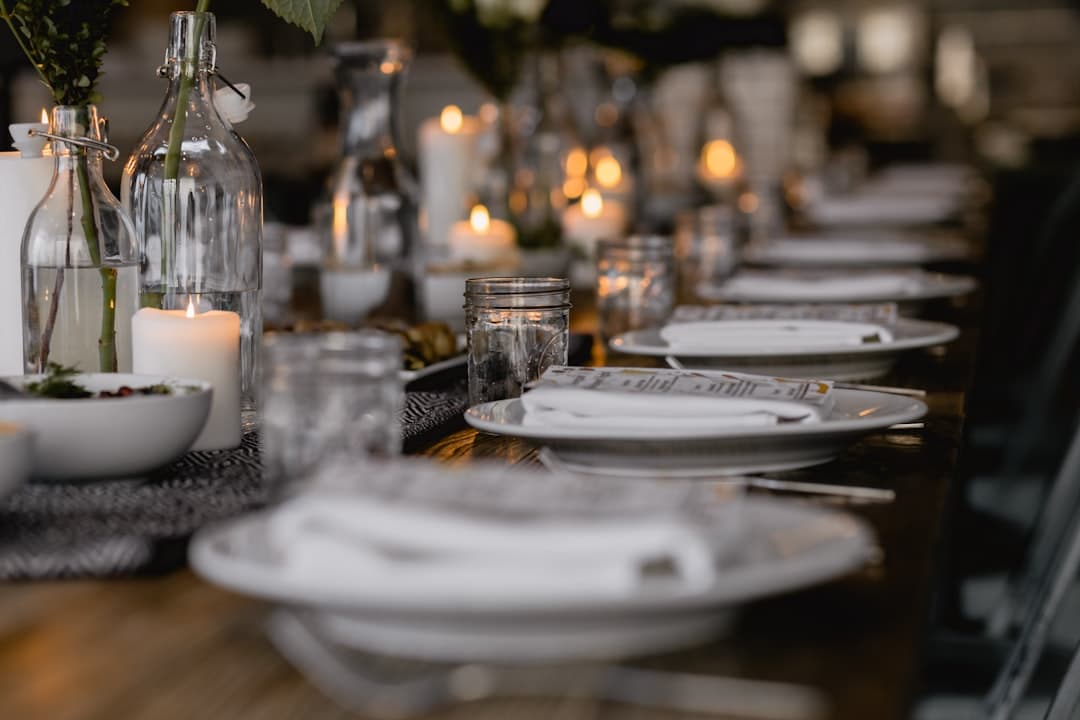
A luxury dining experience at home is a curated event that blends impeccable atmosphere, thoughtful menu design, and flawless execution to emulate five-star hospitality. The difference between a pleasant dinner and a genuinely memorable occasion lies in the sensory details: the warmth of the light, the weight of the cutlery, the scent that greets your guests at the door. You do not need a restaurant kitchen or a brigade of staff. You need preparation, intention, and a clear understanding of the standards that define fine dining. This guide covers every layer of that process, from spatial planning to service flow, so your gathering feels effortless and extraordinary.
What are the key environmental elements to set up a luxury dining experience at home?
Lighting is the single most important factor for perceived luxury. Warm-toned bulbs in the 2,200K–2,700K colour temperature range replicate the flattering glow of candlelight. That range is the same used in Michelin-starred dining rooms because it makes both food and guests look their best. Pair dimmable overhead fixtures with table candles, and you have full control over the mood at every stage of the evening.
Fine dining standards recommend pendant lights hung 42–48 inches above the table to avoid obstructing sightlines across the table. That height keeps the room feeling open and the conversation uninterrupted. If you have a fixed ceiling light, supplement it with floor lamps or wall sconces set to a low, warm setting.
Scent is the most overlooked sensory element in home dining. Subtle warm-scented candles such as cedar or soft citrus, lit 30 minutes before guests arrive and extinguished before food is served, build atmosphere without competing with the aromas of the meal. This small ritual signals to guests that the evening has been considered in full.
Sound completes the sensory picture. A curated playlist at a volume that allows easy conversation, roughly 60–65 decibels, creates a backdrop rather than a distraction. Classical, jazz, or understated acoustic music suits most elegant dinner settings without imposing a mood.
-
Set lighting to warm tones (2,200K–2,700K) and dim by at least 30% before guests arrive.
-
Light scented candles 30 minutes before arrival; extinguish them before the first course.
-
Position any pendant or hanging fixture 42–48 inches above the table surface.
-
Choose background music at a volume that allows guests to speak without raising their voices.
-
Remove clutter from the dining space entirely before guests enter the room.
Pro Tip: Test your full lighting setup the evening before the event. What looks adequate in daylight often feels harsh once darkness falls.
How to master an elegant table setting for a luxury dinner
The table is the visual centrepiece of the entire evening. Modern luxury dining design favours warm minimalism over heavily matched, ornate decor. Layering materials such as linen, ceramic, wood, and glass creates visual depth without feeling cluttered or staged.
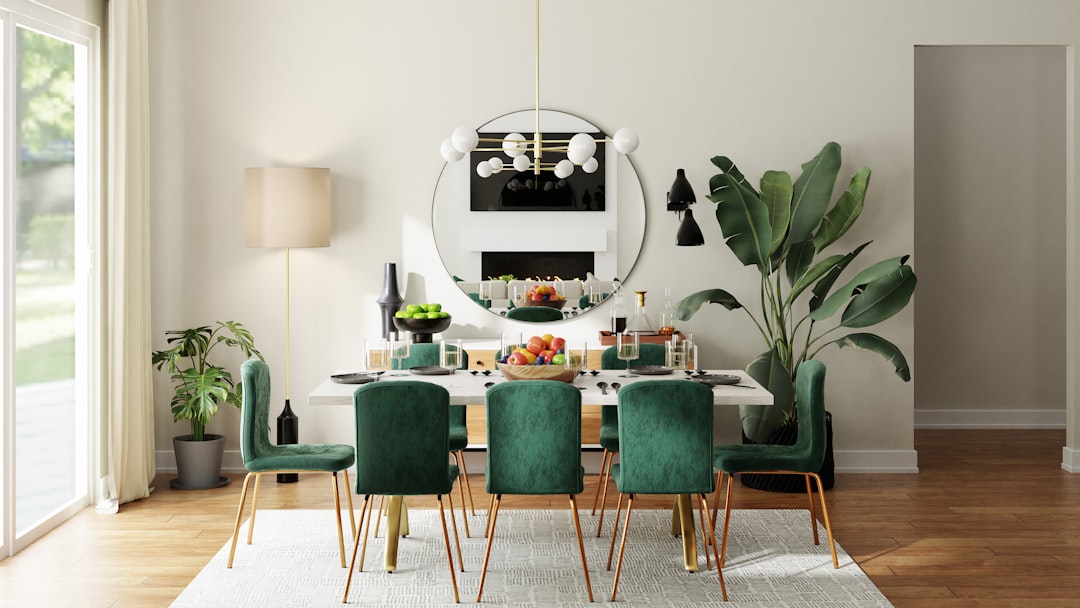
Fine dining spatial standards recommend 24–30 inches of table width per guest. That allocation gives each person room to eat comfortably and prevents the table from feeling crowded. If your table is narrower, reduce the number of glasses and serving pieces to compensate.
Cutlery, glassware, and plate placement
Place cutlery in order of use, working from the outside in. Forks sit to the left of the plate; knives and spoons to the right. A bread plate with a butter knife goes to the upper left. Water and wine glasses sit to the upper right, with the water glass closest to the plate. This arrangement is the European fine dining standard and requires no explanation to guests who are familiar with it.
Linens, centrepieces, and candle heights
Choose a tablecloth or placemats in a single neutral tone: ivory, slate grey, or deep charcoal all work well. Avoid busy patterns, which compete with the food presentation. Flower arrangements should sit below eye level when guests are seated, roughly 10–12 inches in height, so they frame the table without blocking views across it. Candles should be either very short (tea lights in holders) or tall enough to hold the flame above eye level. Mid-height candles place a naked flame directly in the sightline and feel uncomfortable.
| Element | Luxury standard | Common mistake |
|---|---|---|
| Lighting height | 42–48 inches above table | Too low, obstructs sightlines |
| Table width per guest | 24–30 inches | Overcrowding with excess pieces |
| Centrepiece height | Below 10–12 inches seated eye level | Blocking guest sightlines |
| Candle height | Very short or very tall | Mid-height at eye level |
| Colour palette | Single neutral tone | Mixed patterns competing with food |
Pro Tip: Iron your tablecloth the morning of the event and lay it at least two hours before guests arrive. Creases in linen read as carelessness, not informality.
What menu planning and timing strategies create a seamless multi-course dinner?
A well-paced menu is the backbone of an elegant dinner. A typical formal multi-course dinner lasts 3–4 hours in total, with 30 minutes of welcome drinks, intervals of 15–20 minutes between courses, and the main course served approximately 90 minutes after guests are seated. That rhythm gives guests time to savour each dish, converse, and arrive at the main course with genuine appetite.
A structured approach to course selection makes planning far less stressful.
-
Welcome drinks and canapés (30 minutes before seating): Keep canapés to two or three bites per person. They should excite the palate, not fill it.
-
Amuse-bouche (one bite, served at the table): A single, striking flavour sets the tone for the chef’s style.
-
Starter (served 15–20 minutes after seating): Light, seasonal, and visually striking. A cured fish, a composed salad, or a delicate soup all work well.
-
Intermediate course (optional, for five or more courses): A palate cleanser such as a herb sorbet or a small pasta dish bridges the starter and main.
-
Main course (approximately 90 minutes after seating): The centrepiece of the meal. Choose one protein and build the plate around it with seasonal accompaniments.
-
Cheese course (optional): Served before or after dessert depending on preference. Three to five cheeses with appropriate accompaniments is the fine dining standard.
-
Dessert and petit fours: End with a composed dessert and one or two small sweet bites alongside coffee or digestifs.
Seasonal ingredients are not a stylistic preference. They are a quality guarantee. Produce at peak season requires less manipulation to taste exceptional, which reduces kitchen complexity and improves the final plate.
Pro Tip: Write your menu on card and place it at each setting before guests arrive. It builds anticipation, reduces questions between courses, and adds a considered, personal touch that guests remember.
What service flow and host responsibilities elevate a dinner to a luxury event?
The host’s role during service is to be present, calm, and engaged. Hosts who multitask during service appear stressed, and that stress transfers directly to guests. The solution is thorough preparation before anyone arrives, not efficiency during the meal.
Effective mise en place for a luxury home dinner includes staging counters for plating, a sink filled with hot soapy water for quick plate clearing, and all serving pieces laid out in order of use. This system allows plates to be cleared and reset without the host disappearing for long stretches or returning flustered.
If you are working with a private chef, the 60-second chef introduction at the table transforms the evening from catering into a chef-driven experience. The chef steps in, introduces themselves by name, shares the inspiration behind the menu, and steps back. That single moment shifts the atmosphere entirely. Guests feel they are part of something curated, not simply fed.
-
Greet guests at the door personally and offer a drink within two minutes of arrival.
-
Introduce the wine with each course: name the producer, the region, and one tasting note.
-
Manage the pace of the meal by signalling the kitchen (or yourself) when guests are ready for the next course.
-
Stay at the table between courses rather than retreating to the kitchen.
-
If a private chef is present, introduce them by name and invite them to share the menu story.
Pro Tip: Prepare a written timeline for the evening and pin it inside a kitchen cupboard. Knowing that the main course goes out at 8:45 pm removes the mental load of tracking time while you are hosting.
What common mistakes undermine a luxury dining experience at home?
The most damaging mistake is harsh overhead lighting left at full brightness. It makes the room feel like a canteen and flattens the visual appeal of every dish. Dim the lights, add candles, and the same room becomes somewhere guests want to linger.
Over-accessorising the table is the second most common error. Too many glasses, too many decorative pieces, and too many competing colours create visual noise that feels staged rather than considered. Restraint is the mark of genuine sophistication.
Neglecting scent is a subtler mistake but an equally costly one. A room that smells of cleaning products or last night’s cooking undermines the atmosphere before a single dish is served. Warm, subtle fragrance, introduced and then removed before food arrives, resolves this entirely.
“Luxury is not about abundance. It is about the quality of attention given to each detail, however small.”
Timing mishaps are the most stressful issue hosts face. The fix is always the same: prepare more than you think you need to, and build buffer time into every interval. If a course is delayed by ten minutes, a relaxed host with engaged guests will not notice. A flustered host makes the delay feel like a crisis.
-
Avoid harsh overhead lighting at full brightness during the meal.
-
Remove excess decorative pieces from the table before guests arrive.
-
Address scent in the room at least 30 minutes before guests enter.
-
Build 10-minute buffer intervals into your service timeline.
-
Never apologise for minor delays; acknowledge them briefly and move on.
Key takeaways
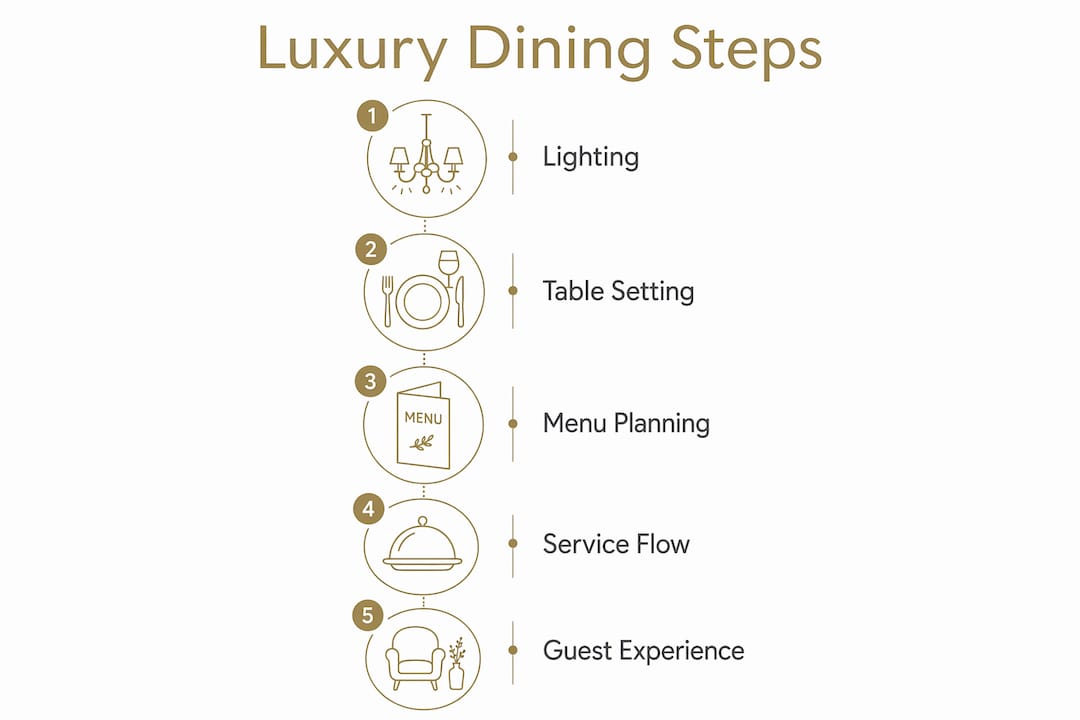
A luxury dining experience at home rests on five pillars: warm lighting, a considered table setting, a well-paced menu, thorough mise en place, and a host who stays present and calm throughout the evening.
| Point | Details |
|---|---|
| Lighting sets the tone | Use warm bulbs (2,200K–2,700K) and candles; dim the room before guests arrive. |
| Table space matters | Allow 24–30 inches per guest and keep centrepieces below seated eye level. |
| Pace the menu deliberately | Plan for 3–4 hours total, with 15–20 minute intervals between courses. |
| Mise en place is non-negotiable | Stage counters, pre-fill the sink, and lay all serving pieces before guests arrive. |
| Host presence defines luxury | Thorough preparation before service allows you to stay calm and engaged at the table. |
What I have learned from 13 years of private dining
The guests who remember an evening most vividly are rarely the ones who noticed the finest ingredients. They remember how the room felt when they walked in. They remember the scent, the light, the moment the chef stepped out and told them why the dish mattered. Food is the reason for the gathering, but atmosphere is the reason they stay.
The biggest misconception I encounter is that luxury requires complexity. It does not. A three-course dinner executed with complete attention to detail outperforms a seven-course meal assembled under stress every single time. Simplicity, prepared to a high standard, is the most reliable path to an exceptional evening.
What I tell every host I work with is this: your job during the meal is not to cook or to clear plates. Your job is to make your guests feel that the entire evening was arranged for their pleasure. That feeling comes from preparation done before they arrive, not from effort made visible during service. The illusion of effortlessness is the product of thorough, invisible work.
Embrace one imperfection gracefully and your guests will relax. Pursue perfection visibly and they will feel the tension. Polish your preparation, then let the evening breathe.
— Joseph
Bring a professional touch to your next gathering
Planning a special occasion at home and want the food to match the atmosphere you have created? Thesensorychef brings over 13 years of professional culinary experience directly to your table, with bespoke menus rooted in French gastronomy and Mediterranean flavour.
Whether you are hosting an anniversary dinner, a family celebration, or an exclusive gathering, the private dining experience from Thesensorychef handles menu design, ingredient sourcing, cooking, and presentation, so you remain entirely present with your guests. For a truly memorable occasion, explore the signature chef experience or book your event directly online.
FAQ
What is the ideal lighting temperature for a luxury home dinner?
Warm white bulbs in the 2,200K–2,700K range replicate the flattering quality of candlelight and are the standard used in fine dining restaurants. Combine them with candles and a dimmer switch for full control over the atmosphere.
How long should a formal multi-course dinner last?
A formal multi-course dinner typically lasts 3–4 hours, with 30 minutes of welcome drinks, intervals of 15–20 minutes between courses, and the main course served around 90 minutes after seating.
How much table space does each guest need?
Fine dining standards recommend 24–30 inches of table width per guest. That allocation allows comfortable eating and prevents the table from feeling crowded with glassware and serving pieces.
Do I need a private chef to host a luxury dinner at home?
A private chef is not required, but professional support removes the host from the kitchen entirely. Thesensorychef offers bespoke private dining for occasions where the quality of the food and the host’s presence at the table both matter equally.
What is the most common mistake hosts make at elegant dinner parties?
Leaving overhead lighting at full brightness is the single most damaging error. It undermines the atmosphere regardless of how carefully the table is set or how well the food is prepared. Dim the room, add candles, and the transformation is immediate.