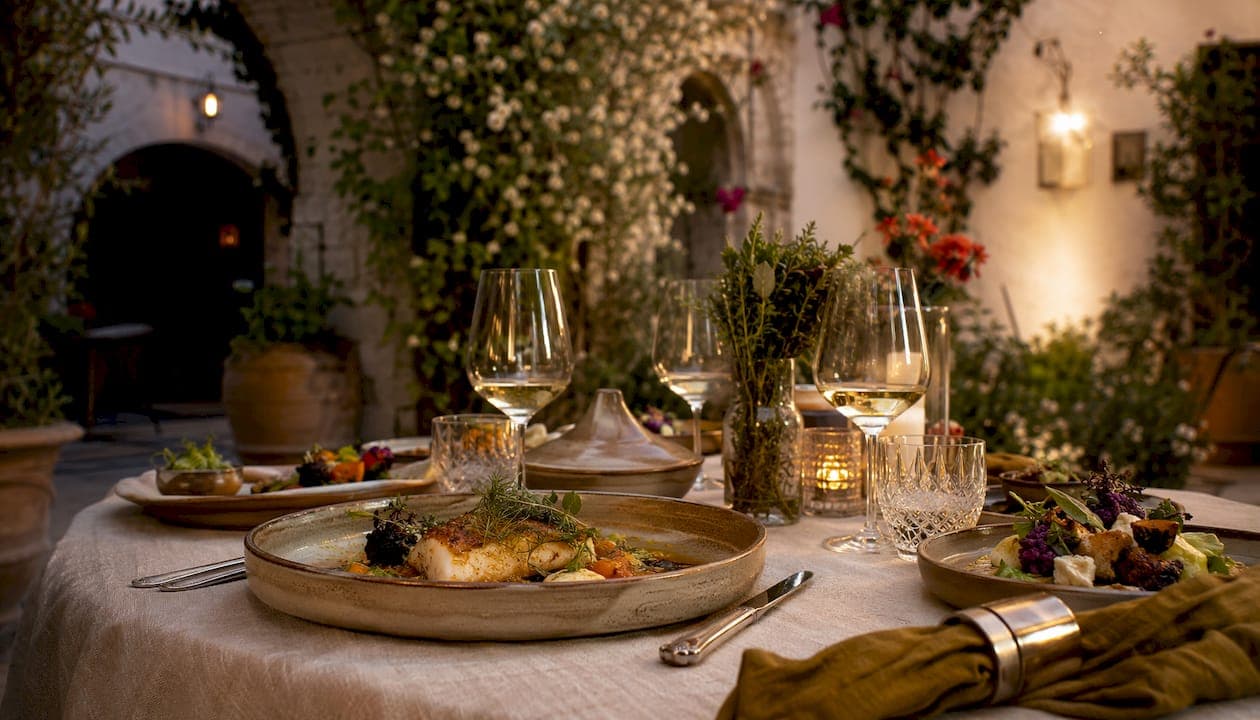
A celebration menu honours guests when every element, from the first course to the final dessert, reflects who they are and why the evening matters. That means knowing their tastes, respecting their dietary needs, and building a narrative around the occasion rather than simply listing dishes. The difference between a good meal and a genuinely memorable one almost always comes down to intention.
Here is what a guest-honouring celebration menu does well:
- Tailors dishes to guests' known preferences, not just the host's favourites
- Frames the menu around the emotional significance of the event
- Balances familiar, comforting flavours with one or two distinctive touches
- Integrates cultural, traditional, or personal elements with subtlety
- Presents and describes dishes in a way that builds anticipation
- Delivers personalised, anticipatory service that makes guests feel seen
Table of Contents
- How does emotional framing shape your celebration menu?
- How do you honour diverse dietary needs without fragmenting the menu?
- What makes a celebration dish feel special without alienating guests?
- What does the celebration menu creation process actually look like?
- How does personalised service make guests feel genuinely honoured?
- What does thematic menu design look like across different celebrations?
- How should you approach beverage pairing for a celebration menu?
- Bespoke celebration dining with Thesensorychef
- Key takeaways
- FAQ
How does emotional framing shape your celebration menu?
The most memorable celebration menus tell a story before a single dish arrives. Framing a menu around the emotional purpose of the evening, whether that is a milestone anniversary, a landmark birthday, or a wedding gathering, reduces decision fatigue and triggers genuine desire in guests. A menu that reads "Celebrating 25 years together" communicates something a seasonal produce list never can.
Start by identifying the mood you want to create. Three words work well here: "warm, convivial, nostalgic" points toward sharing platters and familiar regional dishes; "refined, intimate, celebratory" calls for plated courses with considered presentation. From that anchor, every choice, course count, service style, pacing, and even the language used to describe each dish, flows naturally.
- Identify the occasion's significance and the atmosphere you want guests to feel
- Choose one thematic anchor: a season, a region, a shared memory, or a culinary tradition
- Plan course progression to mirror the event's rhythm (arrival drinks, seated dinner, dessert moment)
- Write dish descriptions that evoke feeling, not just ingredients
Pro Tip: Keep menu descriptions to one or two lines per dish. Guests who can picture the flavour before it arrives are already engaged. Long descriptions create hesitation, not anticipation.
How do you honour diverse dietary needs without fragmenting the menu?
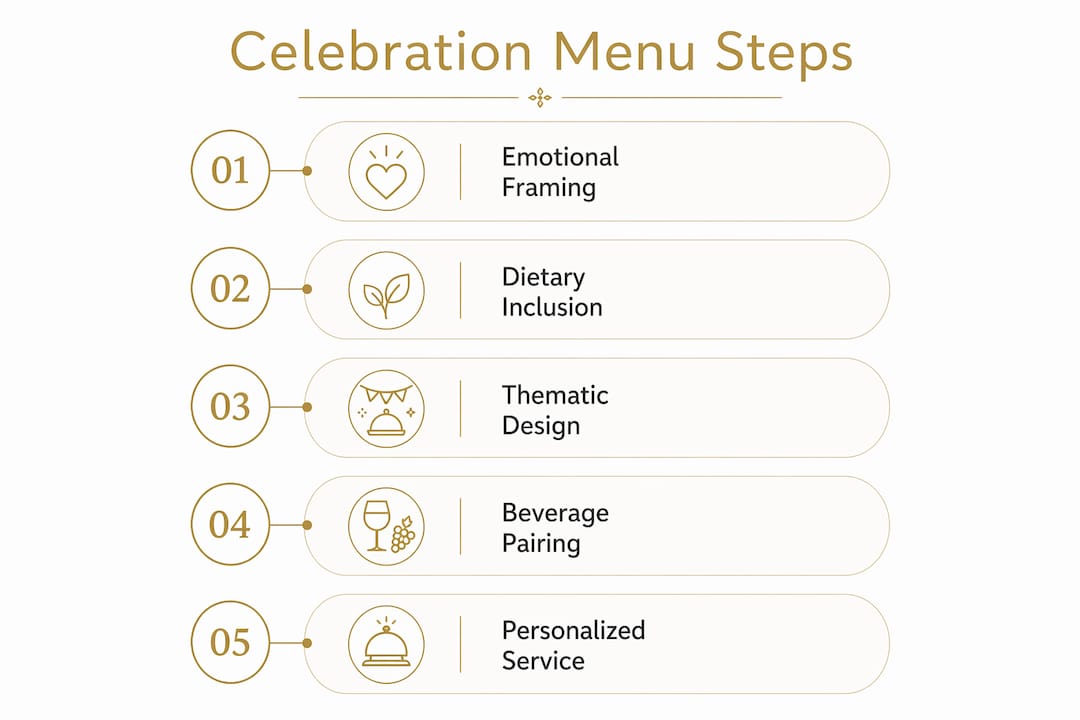
Dietary accommodation works best when it is built in from the start, not bolted on as an afterthought. A guest with coeliac disease or a halal requirement deserves a plate with the same care and presentation as every other course at the table. Separate or visibly different dishes signal that someone was an inconvenience rather than a valued guest.
Gather preferences early, ideally through a short questionnaire sent with the invitation. Ask about allergies, intolerances, lifestyle choices (vegetarian, vegan, pescatarian), and religious food rules. Then accommodate dietary needs by designing dishes that are naturally inclusive, using smart substitutions that preserve flavour and texture rather than simply removing ingredients.
- Collect detailed dietary information before finalising any dish
- Design naturally inclusive dishes rather than creating isolated alternatives
- Integrate cultural or religious food rules as meaningful menu elements, not footnotes
- Maintain identical presentation standards across all dietary variations
- Contact guests with severe allergies directly to confirm safe preparation methods
What makes a celebration dish feel special without alienating guests?
The best celebration dishes balance familiarity with distinctiveness. Guests should recognise the flavour profile and feel comfortable, yet sense that something elevated is happening. A slow-roasted lamb shoulder with a Provençal herb crust achieves this: the protein is familiar, the technique and seasoning lift it beyond the everyday.
Choose one signature dish per menu that anchors the occasion's tone. For a summer anniversary dinner, that might be a chilled gazpacho with a drizzle of aged sherry vinegar and hand-picked local tomatoes. For a winter birthday, a rich duck confit with a cherry reduction. Surround that centrepiece with courses that offer contrast in texture, temperature, and weight, so the meal builds rather than repeats itself.
- Lead with familiar flavours, then elevate through ingredient quality and technique
- Introduce one or two subtle surprises that delight without unsettling
- Choose a signature dish that reflects the occasion's character
- Balance rich and light courses across the full progression
- Describe dishes in menu language that builds anticipation without overselling
What does the celebration menu creation process actually look like?
A well-run custom menu process begins with a detailed consultation covering the occasion, the guest list, dietary needs, and the host's vision. From that conversation, a draft menu is typically delivered within five to seven days. The host reviews, requests changes, and the menu is refined until it genuinely reflects the evening.
Final confirmation happens 48–72 hours before the event. At that point, every dish is reviewed, every allergy re-confirmed, and the timing of any special touches, a candle on a dessert plate, a personalised welcome note, a signature cocktail, is locked in. Coordinating this timeline with the event's broader flow, speeches, toasts, arrivals, keeps service feeling effortless rather than rushed.
- Begin with a consultation: occasion, guests, vision, and dietary requirements
- Receive a draft menu within five to seven days for review and feedback
- Iterate until the menu reflects the guests and the evening accurately
- Confirm the final menu 48–72 hours before the event
- Align course timing with speeches, toasts, and other event moments
- Identify one or two personalised elements to highlight during service
How does personalised service make guests feel genuinely honoured?
Anticipatory service turns a well-designed menu into a fully felt experience. Remembering that a guest dislikes coriander, or that the guest of honour always orders scallops, and acting on that knowledge without being asked, communicates a level of care that no printed menu can replicate on its own.
Small gestures carry weight. A personalised welcome note placed at each setting, a signature cocktail named after the guest of honour, or a brief verbal explanation of a dish's story during service all amplify the sense of occasion. Sensory cues matter too: the aroma of a dish arriving at the table, the contrast of a warm plate against a chilled starter, the precise moment a dessert appears.
- Remember and act on guests' preferences proactively, before they need to ask
- Include personalised touches: notes, named cocktails, or a highlighted signature dish
- Use aroma, texture, and timing as deliberate sensory tools
- Pace courses to allow conversation to breathe between each one
- Brief every person involved in service on the occasion's significance
What does thematic menu design look like across different celebrations?
Thematic menus work because they give the entire evening a coherent identity. The theme does not need to be literal or theatrical. It simply needs to feel considered.
Weddings call for menus that serve a wide range of guests gracefully. A Mediterranean spread with shared mezze starters, a refined fish course, and a classic roasted main accommodates varied tastes without losing elegance. The French seasonal dining tradition, with its emphasis on produce at its peak, translates beautifully to wedding banquets where freshness and visual impact both matter.
Milestone birthdays offer more room for personality. If the guest of honour spent summers in Andalusia, a menu built around local ingredients, chilled soups, grilled fish, and a citrus tart, tells a story that a generic celebration menu never could. Thesensorychef regularly builds international cuisine menus around exactly this kind of personal geography.
Anniversaries tend to reward restraint and intimacy. A four or five-course tasting progression, with wine pairings chosen to complement each dish, creates a sense of occasion without overwhelming two people across a candlelit table. The anniversary dining experience works best when the menu echoes something meaningful: a dish from the couple's first holiday, a wine from the year they married.
How should you approach beverage pairing for a celebration menu?
Beverage pairing is where a celebration menu either coheres or falls apart. The right wine does not compete with the food; it extends the flavour of each course and marks the transition from one moment to the next.
A practical approach: match weight to weight. Light starters, a ceviche or a delicate salad, pair with a crisp white such as an Albariño or a Chablis. Richer mains call for structured reds, a Rioja Reserva or a Côtes du Rhône. For dessert, a late-harvest Riesling or a Pedro Ximénez sherry adds sweetness without cloying. For guidance on choosing wines by occasion, the principles of matching acidity, body, and intensity apply regardless of budget.
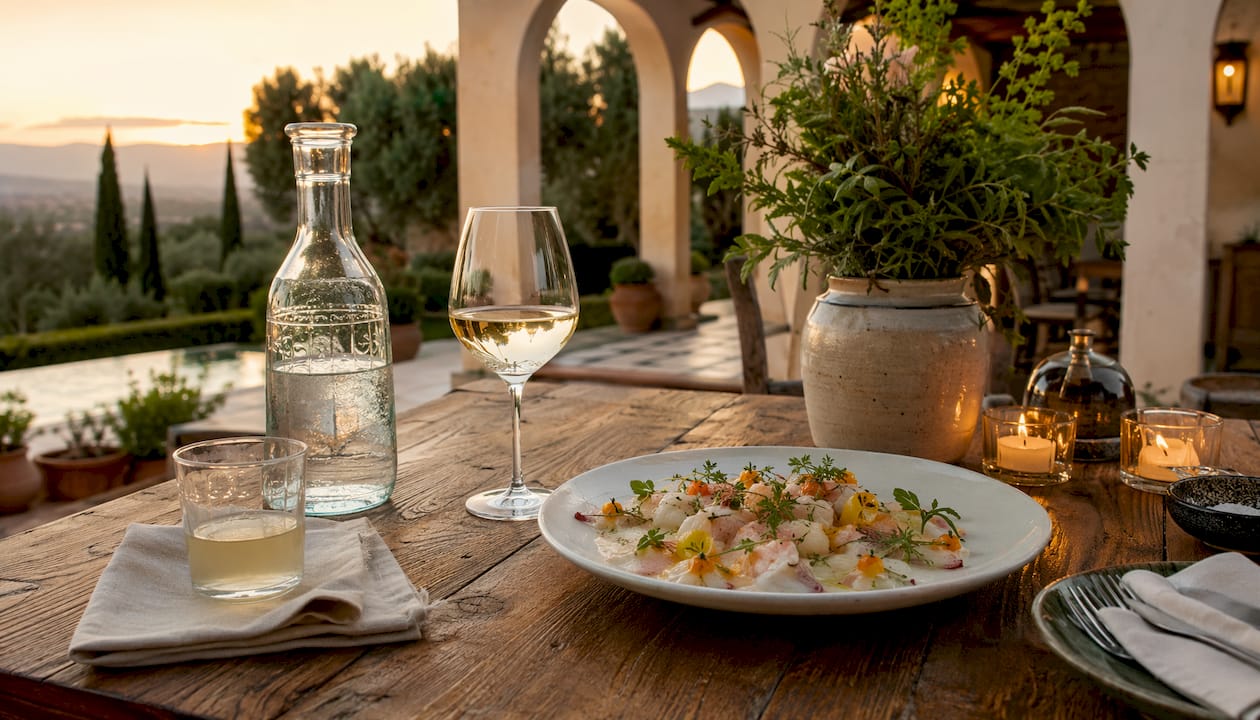
Non-alcoholic options deserve the same thought. A house-made elderflower cordial with sparkling water, or a spiced hibiscus cooler, gives non-drinking guests something genuinely interesting rather than a glass of tap water. Signature cocktails or a welcome Cava toast also set the tone before the first course arrives, signalling to guests that the evening has properly begun.
Bespoke celebration dining with Thesensorychef
Joseph Warner brings more than 13 years of professional culinary experience to every private dining occasion, trained in traditional French gastronomy and deeply versed in Spanish, Mediterranean, and international cuisine. As the founder of Thesensorychef, he has built a reputation across Granada and Andalusia for private dining experiences that place the guest, not the menu, at the centre of the evening.
What sets Thesensorychef apart is a sensory approach developed through years of cooking with heightened attention to flavour, texture, aroma, and presentation. Every celebration menu begins with a conversation about who will be at the table and what the evening means. Dietary requirements, cultural preferences, and personal tastes are woven into the menu from the first draft, not added as an afterthought. Whether you are planning an intimate anniversary dinner at a Granada villa, a birthday gathering on the Costa Tropical, or a family celebration in Málaga, Joseph crafts each menu to reflect your guests and honour the occasion. To begin planning your bespoke celebration dinner, get in touch with Thesensorychef and share your date, guest count, and vision.
Key takeaways
A celebration menu truly honours guests when it is built around who they are, not simply what the host wants to serve.
| Point | Details |
|---|---|
| Start with emotional framing | Define the occasion's mood before choosing dishes; the narrative shapes every course. |
| Build in dietary needs early | Design naturally inclusive dishes from the start so no guest receives a lesser plate. |
| Balance familiar and distinctive | Elevate recognisable flavours through quality and technique rather than novelty alone. |
| Confirm details 48–72 hours before | Final menu review and allergy re-confirmation keeps service smooth and guests safe. |
| Thesensorychef | Joseph Warner crafts bespoke celebration menus in Granada and Andalusia, built around each guest's preferences and the occasion's significance. |
FAQ
What makes a celebration menu different from a restaurant menu?
A celebration menu is built around specific guests and a specific occasion, not a fixed list of dishes. Every course reflects the host's vision, the guests' preferences, and the emotional purpose of the evening.
How far in advance should I plan a celebration menu?
For most private dining occasions, beginning the consultation process at least two to three weeks before the event gives enough time to draft, refine, and confirm the menu comfortably.
How do you accommodate guests with dietary restrictions without disrupting the menu?
The most effective approach is to design inclusive dishes from the outset, using smart substitutions that preserve flavour and presentation, so guests with restrictions receive the same quality as everyone else at the table.
What beverage works best for a celebration dinner?
Match wine weight to course weight: crisp whites for light starters, structured reds for richer mains, and a sweet wine or sherry for dessert. For dinner party wine selection, pairing by acidity and body tends to produce the most cohesive results.
Can Thesensorychef design a menu around a specific cultural tradition?
Yes. Joseph Warner regularly incorporates cultural, regional, and personal food traditions into bespoke celebration menus, integrating them as meaningful elements of the dining experience rather than decorative additions.