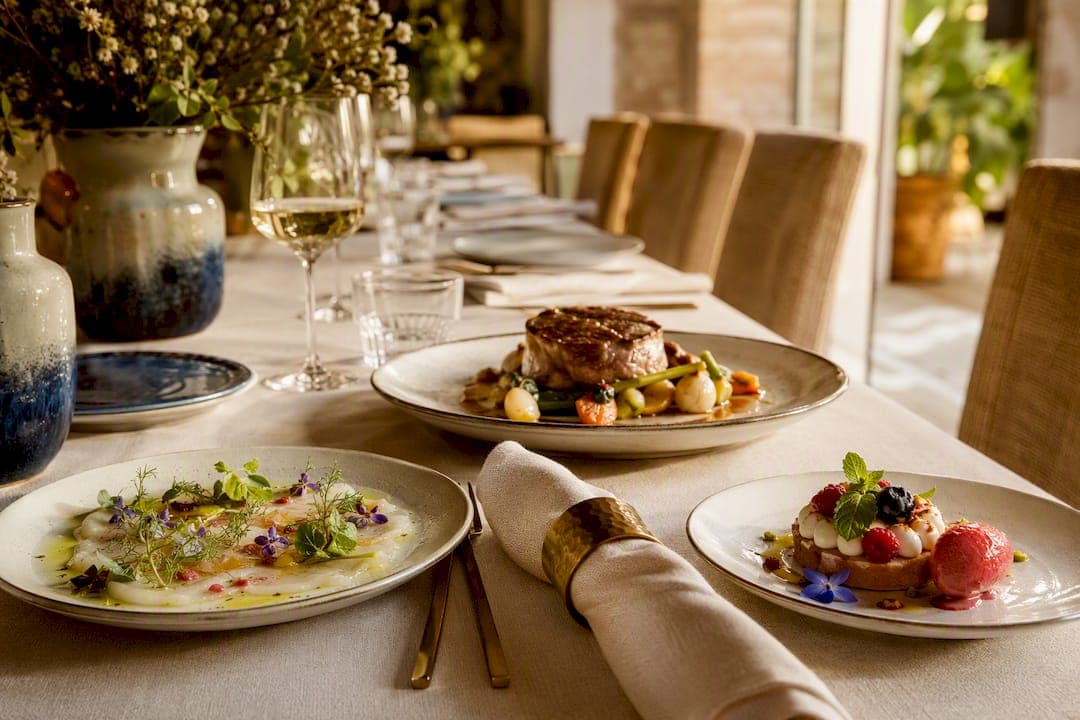
Yes, you can learn French cooking at home by mastering a handful of core techniques and practising one short, repeatable menu. A clase de cocina francesa en casa works best when you treat it as skill-building rather than recipe-collecting: pick a starter, a main and a dessert, then practise the movements behind them until they become instinct. From there, decide whether to keep self-practising or book a short hands-on class to correct your technique.
TL;DR:
- Mastering mise en place and basic techniques like sautéing, braising, roasting, and poaching are essential for authentic French cooking at home.
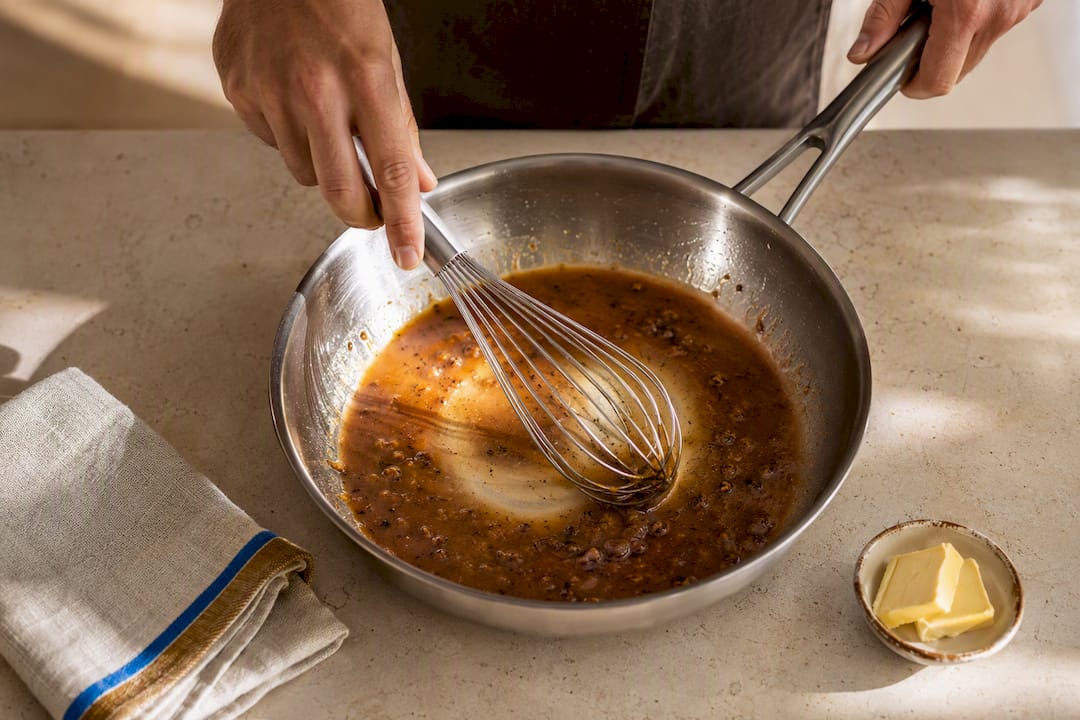
- Practicing pan sauces by browning, deglazing, and reducing builds core flavoring skills that improve with repetition and are crucial for French dishes.
- A small pantry with dependable staples such as good butter, stock, Dijon mustard, and fresh herbs is more valuable than having many niche ingredients.
- Private hands-on lessons with an experienced chef provide immediate feedback on technique, which is often more effective than watching videos for beginners.
- Short online classes are suitable for building specific skills quickly, but in-person private lessons offer personalized correction that enhances overall technique.
Table of Contents
- Core techniques and habits you must learn first
- Pantry and fresh-ingredient essentials for French cooking
- Three recipes that teach you to cook like a French chef
- What are your options for learning French cooking classes?
- Practical tips for cooking French food at home
- What does a private French cooking lesson actually teach you?
- Why hands-on practice beats watching videos
- Book a hands-on French cooking lesson with The Sensory Chef
- Sources
- FAQ
Core techniques and habits you must learn first
French cooking rewards habits, not shortcuts. The single most useful one is mise en place: weighing, chopping and arranging every ingredient before you turn on the heat. Professional kitchens treat it as non-negotiable, and the Escoffier School notes that without it, multi-component dishes quickly overwhelm even confident cooks. The same discipline appears in home kitchens: prepping everything first turns a stressful hour into a calm one, according to All‑Clad's guide to prep flow.
Once your prep routine is solid, four methods carry most of French cuisine:
- Sauter — quick, high-heat cooking in a little fat, used for vegetables and thin cuts of meat.
- Rôtir (roasting) — dry heat in the oven, ideal for poultry and root vegetables.
- Braiser (braising) — searing then slow-cooking in liquid, the backbone of dishes like beef bourguignon.
- Pocher (poaching) — gentle simmering, used for eggs, fish and fruit.
Behind most French sauces sits a simple logic: brown something, deglaze the pan with wine or stock, then reduce. Practise this as a standalone drill. Sauté a chicken breast or piece of fish, remove it, deglaze with a splash of wine, add a knob of butter, and taste as it thickens. Repeat that one exercise for thirty minutes and you will understand pan sauces better than a dozen recipes could teach you.
Pro Tip: Practise the pan-sauce drill with whatever protein is in your fridge tonight. The technique matters far more than the ingredient.
Pantry and fresh-ingredient essentials for French cooking
You do not need a professional larder to cook French food well. A compact, well-chosen pantry does most of the work.
- Fats and dairy: unsalted butter, double cream, eggs.
- Flavour base: Dijon mustard, a decent homemade or bought stock, red and white wine vinegar.
- Herbs: thyme, bay leaf, parsley and tarragon cover most classic dishes.
- Equipment: a heavy saucepan, a good frying pan (non-stick or seasoned steel), a roasting tray and a meat thermometer.
Buy fewer things, but buy them well. Reliable stock and good butter matter more than a cupboard full of specialist items, a point echoed by Paris-based cooking school Cook'n With Class, which recommends investing in a few dependable staples over many niche ones. If you are cooking in Spain, local substitutions work fine: Andalusian olive oil in place of some butter for sautéing, or a good local Manchego-style hard cheese where a recipe calls for Gruyère. Seasonality still matters. Choose what is fresh at your local market and build the menu around it, in keeping with the seasonal, ingredient-led approach the Institut français associates with French home cooking.
Three recipes that teach you to cook like a French chef
Three dishes, chosen deliberately, will teach you most of what you need.
- Starter: a tartine with a proper vinaigrette. Toast good bread, top it with soft cheese or rillettes, and dress a simple salad with a mustard vinaigrette (one part vinegar, three parts oil, a teaspoon of Dijon). The technique taught here is seasoning balance. Taste as you go; the vinaigrette should be sharp enough to wake up the leaves, not drown them.
- Main: a simplified beef bourguignon. Brown cubed beef in batches, deglaze with red wine, add stock, bay and thyme, then braise low and slow for two to three hours until the meat yields to a fork. The technique here is braising and reduction. If you are short on time, a pressure cooker cuts this to under an hour. No red Burgundy at hand? A solid Rioja works as a substitute.
- Dessert: tarte tatin. Cook sliced apples in butter and sugar in an oven-proof pan until the sugar turns deep amber, lay pastry on top, then bake at 190°C for around 25 minutes before flipping onto a plate. The technique is caramel control; pull the pan the moment the sugar smells nutty, not burnt, since it keeps cooking off the heat.
For a full worked version of the second recipe, The Sensory Chef's beef bourguignon guide breaks the braise down step by step.
What are your options for learning French cooking classes?
Self-practice suits cooks who already enjoy following recipes and want to build muscle memory alone. A short class suits anyone who wants immediate feedback on technique, particularly on knife work or sauce consistency, which are hard to self-correct.
- Live online classes typically run 90 to 120 minutes and come with a prep packet listing ingredients and equipment in advance, according to Sur La Table's online class format. They stay interactive, so you can ask questions as you cook rather than after the fact.
- Private lessons, in person or in a villa kitchen, tend to run longer and are built around your menu and dietary needs, a customisation that schools such as Cook'n With Class's private lessons build their pricing around, since group size and duration shift the cost considerably.
- Cost buckets vary widely by format and location, from modest per-household online fees to higher rates for bespoke private tuition. Assess value by what you actually get: recipe cards, one-to-one correction, or a finished meal.
- When choosing a class, check the chef's credentials, the group size, what skills you will actually leave with, and whether allergies or dietary restrictions are properly accommodated.
Practical tips for cooking French food at home
Small habits separate a stressed dinner from a smooth one.
- Work backwards from serving time. Write down each component's cooking time and start the slowest one first (a braise before a sauce, a sauce before a garnish).
- Keep food warm without sogginess by resting meat under foil, not sealed plastic, and holding sauces on the lowest possible heat.
- Season in stages, not just at the end. Salt meat before cooking, adjust the sauce mid-reduction, then finish with a pinch of flaky salt for texture.
- Plate simply. A smear of sauce, the protein, one vegetable, one herb. Restraint reads as confidence, not carelessness.
- Fix a broken emulsion (a split vinaigrette or hollandaise) by whisking a teaspoon of cold water or an extra egg yolk into a clean bowl, then slowly reincorporating the split mixture.
Pro Tip: If a sauce looks thin five minutes before serving, resist the urge to add more liquid. Simmer it another minute; reduction fixes more problems than dilution ever does.
What does a private French cooking lesson actually teach you?
A hands-on lesson with a chef corrects the things books cannot: how a sauce should feel when it is ready, how much heat a pan really needs, how to season by taste rather than measurement. Joseph Warner brings more than 13 years of professional experience, trained in traditional French gastronomy and shaped by a sensory approach to cooking built around flavour, texture, aroma and presentation, developed as a deaf chef who reads a kitchen differently to most.
Lessons with The Sensory Chef's French cooking classes typically run as a focused session in your own kitchen or villa, built around a menu chosen with you in advance, with allergy and dietary adaptations worked in from the start rather than bolted on afterwards.
Why hands-on practice beats watching videos
Reading a recipe tells you what to do. Feeling a sauce thicken under your own whisk, or hearing the sizzle change as a pan comes to temperature, teaches you far faster, because the feedback is immediate rather than delayed. Self-practice is fine for building repetition once you know what "right" feels like. Book a lesson first if you are still guessing.
— Joseph Warner
Book a hands-on French cooking lesson with The Sensory Chef
The Sensory Chef is the direct alternative to piecing technique together from videos and forums: a single, focused session in your own villa kitchen, built around your menu, corrects the habits that self-practice alone tends to leave uneven.
A private lesson typically covers one full menu, from prep through plating, with Joseph Warner adjusting technique as you cook rather than after the fact. Tell the chef your group size, kitchen setup and any dietary needs or allergies when you enquire, and the menu is built around that from the outset. It suits villa guests along the Costa Tropical, Granada and Málaga wanting a birthday, anniversary or family gathering built around real French technique rather than a rehearsed script. Explore the private French cooking classes in Granada or enquire directly about a personalised menu with Chef Joseph Warner to check dates and discuss your kitchen.
Sources
For deeper technique reading, see the Escoffier School's guide to mise en place and Sur La Table's online class format. For further meal-prep timing ideas, see Wild Foodz's home cook meal prep tips.
- All‑Clad blog — Mise en place: Master your prep flow
- Escoffier School blog — What is mise en place and why is it so important?
- Sur La Table — Online cooking classes
FAQ
What are the basics of French cooking?
The basics are mise en place, the core cooking methods (sautéing, roasting, braising, poaching) and pan-sauce building through browning, deg lazing and reducing.
How much does a cooking class typically cost?
Pricing varies widely by format: online classes tend to sit at modest per-household fees, while private, in-person lessons cost more because they are built around your own menu, group size and location.
How can I learn French cooking at home without formal classes?
Practise one technique at a time, such as the pan-sauce drill, using a compact pantry of butter, stock, Dijon mustard and fresh herbs, then apply it across a starter, main and dessert until it becomes automatic.
What does it cost to study at Le Cordon Bleu in France?
Le Cordon Bleu's full culinary diplomas in France run into thousands of euros and vary by programme length and specialism; short private lessons with an independent chef, by contrast, are booked per session rather than per term.
Are private lessons better than online classes for beginners?
Private lessons give immediate, in-person correction on technique, which suits complete beginners, while online classes work well for cooks who already have basic kitchen confidence and want structured guidance from home.